112,95 €
inkl. MwSt.
Sofort per Download lieferbar
56 °P sammeln

Andere Kunden interessierten sich auch für
") Mental Health in Prisons (eBook, PDF)96,95 €
Mental Health in Prisons (eBook, PDF)96,95 €") Female Imprisonment (eBook, PDF)120,95 €
Female Imprisonment (eBook, PDF)120,95 €") Prison in Peru (eBook, PDF)80,95 €
Prison in Peru (eBook, PDF)80,95 €") Prison Breaks (eBook, PDF)88,95 €
Prison Breaks (eBook, PDF)88,95 €") Being Imprisoned (eBook, PDF)72,95 €
Being Imprisoned (eBook, PDF)72,95 €") Unconstitutional Solitude (eBook, PDF)44,95 €
Unconstitutional Solitude (eBook, PDF)44,95 €") A History of Capital Punishment in the Australian Colonies, 1788 to 1900 (eBook, PDF)40,95 €
A History of Capital Punishment in the Australian Colonies, 1788 to 1900 (eBook, PDF)40,95 €




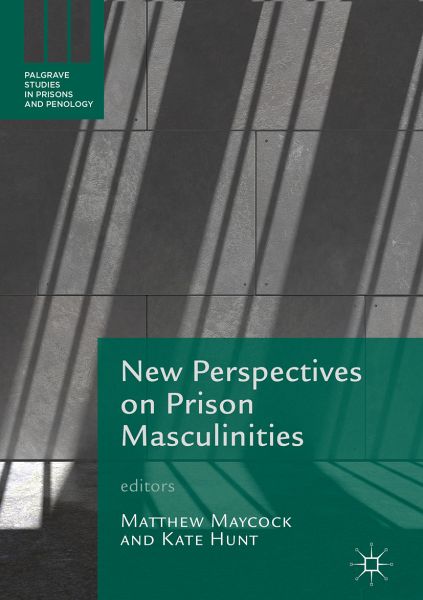
Examines what it means to 'be a man' in prisons paying particular attention to the supposed 'ultramasculine', or 'hypermasculine' nature of the prison environment
Addresses specific issues such as fathering and issues of intersectionality such as sexuality and ethnicity
Advances research from leading contributors drawn from Scotland, Australia, the UK, and the USA
Dieser Download kann aus rechtlichen Gründen nur mit Rechnungsadresse in A, B, BG, CY, CZ, D, DK, EW, E, FIN, F, GR, HR, H, IRL, I, LT, L, LR, M, NL, PL, P, R, S, SLO, SK ausgeliefert werden.
"This is a thought-provoking, empirically rich book that makes an important contribution towards describing and bringing attention to the impacts and dilemmas of incarcerated men and the enactment of prisoners' masculinities. ... many of the contributors make interesting use of diverse literatures, disciplines and theories, ensuring the book is an important resource for scholars and those interested in the lives and well being of prisoners." (Paul L Simpson, Current Issues in Criminal Justice , Vol. 30 (01), July, 2018)