36,95 €
36,95 €
inkl. MwSt.
Sofort per Download lieferbar

18 °P sammeln
36,95 €
Als Download kaufen
36,95 €
inkl. MwSt.
Sofort per Download lieferbar
18 °P sammeln
Jetzt verschenken
Alle Infos zum eBook verschenken
36,95 €
inkl. MwSt.
Sofort per Download lieferbar
Alle Infos zum eBook verschenken
18 °P sammeln

Andere Kunden interessierten sich auch für
") Nietzsche and Zen (eBook, ePUB)36,95 €
Nietzsche and Zen (eBook, ePUB)36,95 €") A History of Medieval Heresy and Inquisition (eBook, PDF)25,95 €
A History of Medieval Heresy and Inquisition (eBook, PDF)25,95 €") The Genocide Contagion (eBook, PDF)32,95 €
The Genocide Contagion (eBook, PDF)32,95 €") The Legacy of C. G. Jung's Buddha (eBook, PDF)112,95 €
The Legacy of C. G. Jung's Buddha (eBook, PDF)112,95 €") The Routledge Handbook of the Philosophy and Science of Punishment (eBook, PDF)46,95 €
The Routledge Handbook of the Philosophy and Science of Punishment (eBook, PDF)46,95 €") What We Owe to Nonhuman Animals (eBook, PDF)39,95 €
What We Owe to Nonhuman Animals (eBook, PDF)39,95 €") A Person-Centered Approach to Psychospiritual Maturation (eBook, PDF)22,95 €
A Person-Centered Approach to Psychospiritual Maturation (eBook, PDF)22,95 €




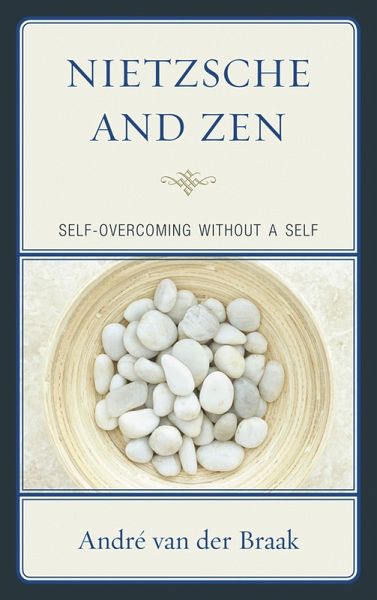
In Nietzsche and Zen: Self-Overcoming Without a Self, André van der Braak engages Nietzsche in a dialogue with four representatives of the Buddhist Zen tradition: Nagarjuna (c. 150-250), Linji (d. 860), Dogen (1200-1253), and Nishitani (1900-1990). In doing so, he reveals Nietzsche's thought as a philosophy of continuous self-overcoming, in which even the notion of "self" has been overcome. Van der Braak begins by analyzing Nietzsche's relationship to Buddhism and status as a transcultural thinker, recalling research on Nietzsche and Zen to date and setting out the basic argument of the study. He continues by examining the practices of self-overcoming in Nietzsche and Zen, comparing Nietzsche's radical skepticism with that of Nagarjuna and comparing Nietzsche's approach to truth to Linji's. Nietzsche's methods of self-overcoming are compared to Dogen's zazen, or sitting meditation practice, and Dogen's notion of forgetting the self. These comparisons and others build van der Braak's case for a criticism of Nietzsche informed by the ideas of Zen Buddhism and a criticism of Zen Buddhism seen through the Western lens of Nietzsche - coalescing into one world philosophy. This treatment, focusing on one of the most fruitful areas of research within contemporary comparative and intercultural philosophy, will be useful to Nietzsche scholars, continental philosophers, and comparative philosophers.