41,95 €
inkl. MwSt.
Sofort per Download lieferbar
21 °P sammeln

Andere Kunden interessierten sich auch für
") Toward A North American Common Market (eBook, PDF)41,95 €
Toward A North American Common Market (eBook, PDF)41,95 €") Understanding U.S.-Latin American Relations (eBook, PDF)54,95 €
Understanding U.S.-Latin American Relations (eBook, PDF)54,95 €") European and North American Policy Change (eBook, PDF)45,95 €
European and North American Policy Change (eBook, PDF)45,95 €") American Empire (eBook, PDF)45,95 €
American Empire (eBook, PDF)45,95 €") America's Strategy in World Politics (eBook, PDF)52,95 €
America's Strategy in World Politics (eBook, PDF)52,95 €") Class And Party In American Politics (eBook, PDF)45,95 €
Class And Party In American Politics (eBook, PDF)45,95 €") Southeast Asia's Misunderstood Miracle (eBook, PDF)36,95 €
Southeast Asia's Misunderstood Miracle (eBook, PDF)36,95 €






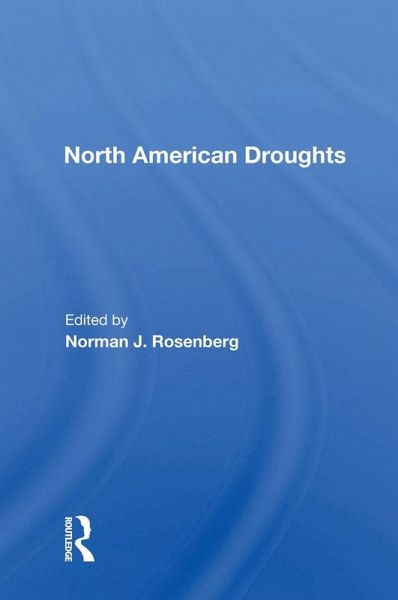
Recognizing drought as a characteristic feature of the North American climate, the contributors to this volume seek to organize available evidence of both prehistoric and modern drought events and to provide information on the severity of droughts, especially those which have occurred since weather records have been kept. The impacts of modern-era droughts on production and the potential impact of future droughts on the productivity of North American agriculture are examined. The authors explore the effeats of past droughts on the social, cultural, and political life of the population; the possible effects of drought on today's energy- and techno logy-intensive society; and the ramifications of drought for the national economy. The social and political strategies that local, state, and federal governments may use to meliorate the effects of drought are also considered, as are some possible technological defenses against drought-weather modification, expanded irrigation, new techniques of water harvesting and storage, and new agronomic adaptations. Finally, the critical question of whether future droughts can be forecast is examined.
Dieser Download kann aus rechtlichen Gründen nur mit Rechnungsadresse in A, B, BG, CY, CZ, D, DK, EW, E, FIN, F, GR, HR, H, IRL, I, LT, L, LR, M, NL, PL, P, R, S, SLO, SK ausgeliefert werden.