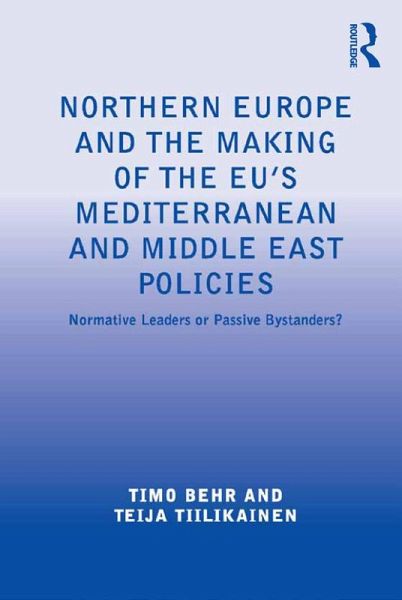
42,95 €
42,95 €
inkl. MwSt.
Sofort per Download lieferbar

21 °P sammeln
42,95 €
Als Download kaufen
42,95 €
inkl. MwSt.
Sofort per Download lieferbar
21 °P sammeln
Jetzt verschenken
Alle Infos zum eBook verschenken
42,95 €
inkl. MwSt.
Sofort per Download lieferbar
Alle Infos zum eBook verschenken
21 °P sammeln

Andere Kunden interessierten sich auch für
") Understanding the EU's Norm and Policy Diffusion in ASEAN through Trade and Security Cooperation (eBook, ePUB)42,95 €
Understanding the EU's Norm and Policy Diffusion in ASEAN through Trade and Security Cooperation (eBook, ePUB)42,95 €") The EU's External Governance of Migration (eBook, ePUB)41,95 €
The EU's External Governance of Migration (eBook, ePUB)41,95 €") The EU's Democracy Promotion and the Mediterranean Neighbours (eBook, ePUB)43,95 €
The EU's Democracy Promotion and the Mediterranean Neighbours (eBook, ePUB)43,95 €") The Practical Role of The EU's Values in Diplomacy with China (eBook, ePUB)42,95 €
The Practical Role of The EU's Values in Diplomacy with China (eBook, ePUB)42,95 €") The European Community and its Mediterranean Enlargement (eBook, ePUB)26,95 €
The European Community and its Mediterranean Enlargement (eBook, ePUB)26,95 €") Northern Europe and the Making of the EU's Mediterranean and Middle East Policies (eBook, PDF)42,95 €
Northern Europe and the Making of the EU's Mediterranean and Middle East Policies (eBook, PDF)42,95 €") Remapping Security on Europe's Northern Borders (eBook, ePUB)41,95 €
Remapping Security on Europe's Northern Borders (eBook, ePUB)41,95 €






What drives European foreign policy towards the wider Mediterranean and Middle East region? This collection takes an innovative approach to answering this question, by considering the impact of intra-European divisions on European polices towards this crucial region. European foreign policy has traditionally been defined by a clear division of labour: southern European member states take the lead in the EU's southern neighbourhood, while central and northern European countries drive policies in the EU's eastern neighbourhood. The resulting north-south split has entrenched geo-clientalistic behaviour as a core principle of EU foreign policy-making and has fuelled a static intra-European competition over influence and resources. However, as European power dynamics shift, these old divisions no longer hold and northern and central European countries have been pushed towards a more pro-active role in the region. But what factors are shaping the foreign policies of these countries in the Mediterranean and Middle East? What has been their contribution to common EU polices? And does their growing activism signal an end to old geo-clientalistic division as a core driver of European foreign policy?
Dieser Download kann aus rechtlichen Gründen nur mit Rechnungsadresse in A, B, BG, CY, CZ, D, DK, EW, E, FIN, F, GR, HR, H, IRL, I, LT, L, LR, M, NL, PL, P, R, S, SLO, SK ausgeliefert werden.