19,99 €
inkl. MwSt.
Sofort per Download lieferbar
0 °P sammeln

Andere Kunden interessierten sich auch für
") The Traveling Engineers' Association to Improve the Locomotive Engine Service of American Railroads (eBook, ePUB)19,99 €
The Traveling Engineers' Association to Improve the Locomotive Engine Service of American Railroads (eBook, ePUB)19,99 €") A history of Vermont's maple sugar industry (eBook, ePUB)19,99 €
A history of Vermont's maple sugar industry (eBook, ePUB)19,99 €") The Young Housekeeper's Friend (eBook, ePUB)19,99 €
The Young Housekeeper's Friend (eBook, ePUB)19,99 €") The New England Cook Book, or Young Housekeeper's Guide (eBook, ePUB)19,99 €
The New England Cook Book, or Young Housekeeper's Guide (eBook, ePUB)19,99 €") Progress in the household (eBook, ePUB)19,99 €
Progress in the household (eBook, ePUB)19,99 €") Letters to a Young Housekeeper (eBook, ePUB)19,99 €
Letters to a Young Housekeeper (eBook, ePUB)19,99 €") Miss Leslie's Lady's New Receipt-Book, 3rd ed. (eBook, ePUB)19,99 €
Miss Leslie's Lady's New Receipt-Book, 3rd ed. (eBook, ePUB)19,99 €




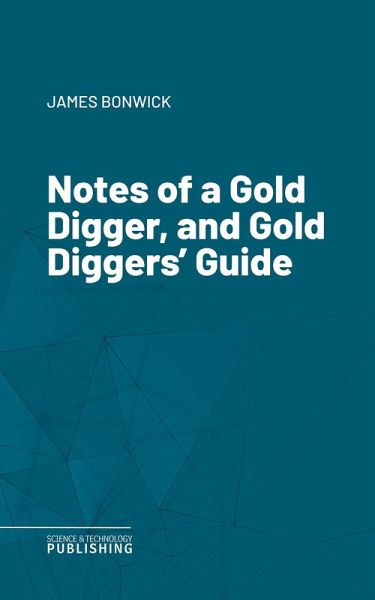
Notes of a Gold Digger, and Gold Diggers' Guide is a vivid and engaging firsthand account of the California Gold Rush, written by James Bonwick and first published in 1852. The book offers a detailed narrative of the author's personal experiences as a gold seeker in the diggings of Victoria, Australia, and California, providing readers with a rare glimpse into the daily life, challenges, and adventures faced by gold prospectors during one of the most exciting periods of the 19th century. Bonwick's narrative is both practical and entertaining, blending anecdotal stories with valuable advice for would-be gold diggers. He describes the arduous journey to the goldfields, the harsh and often dangerous conditions of camp life, and the diverse characters he encounters along the way. The book is rich with observations about the social dynamics of the mining communities, the methods and tools used for gold extraction, and the ever-present hope and disappointment that defined the gold rush experience. In addition to his personal recollections, Bonwick provides a comprehensive guide for aspiring prospectors, offering practical tips on equipment, survival, and the best strategies for finding gold. He discusses the realities of gold digging, dispelling common myths and warning readers about the many pitfalls and scams that awaited the unwary. The guide also includes information on the geography and geology of gold-bearing regions, as well as advice on health, safety, and the legal aspects of mining claims. Notes of a Gold Digger, and Gold Diggers' Guide stands as both a historical document and a lively adventure story, capturing the spirit of ambition, risk, and resilience that defined the gold rush era. It remains an invaluable resource for historians, enthusiasts of the Old West and Australian goldfields, and anyone interested in the human stories behind the quest for fortune.
Dieser Download kann aus rechtlichen Gründen nur mit Rechnungsadresse in A, B, BG, CY, CZ, D, DK, EW, E, FIN, F, GR, HR, H, IRL, I, LT, L, LR, M, NL, PL, P, R, S, SLO, SK ausgeliefert werden.