73,95 €
inkl. MwSt.
Sofort per Download lieferbar
37 °P sammeln

Andere Kunden interessierten sich auch für
") Post-Yugoslav Cinema and the Shadows of War (eBook, ePUB)0,00 €
Post-Yugoslav Cinema and the Shadows of War (eBook, ePUB)0,00 €") Absolute and relative gains in the American decision to release nuclear weapons over Hiroshima and Nagasaki (eBook, ePUB)29,99 €
Absolute and relative gains in the American decision to release nuclear weapons over Hiroshima and Nagasaki (eBook, ePUB)29,99 €") India's Nuclear Policy (eBook, ePUB)13,99 €
India's Nuclear Policy (eBook, ePUB)13,99 €") The Rise of State Based Armed Conflict (eBook, ePUB)5,99 €
The Rise of State Based Armed Conflict (eBook, ePUB)5,99 €") Females in the Frame (eBook, ePUB)16,95 €
Females in the Frame (eBook, ePUB)16,95 €") To what extent do legal norms relating to the use of armed force influence governments' desire to secure Security Council endorsement of their military actions? (eBook, ePUB)5,99 €
To what extent do legal norms relating to the use of armed force influence governments' desire to secure Security Council endorsement of their military actions? (eBook, ePUB)5,99 €") A Fool's Paradise? Ethnicity, Military and Prospects for Democratisation in Myanmar (eBook, ePUB)18,99 €
A Fool's Paradise? Ethnicity, Military and Prospects for Democratisation in Myanmar (eBook, ePUB)18,99 €

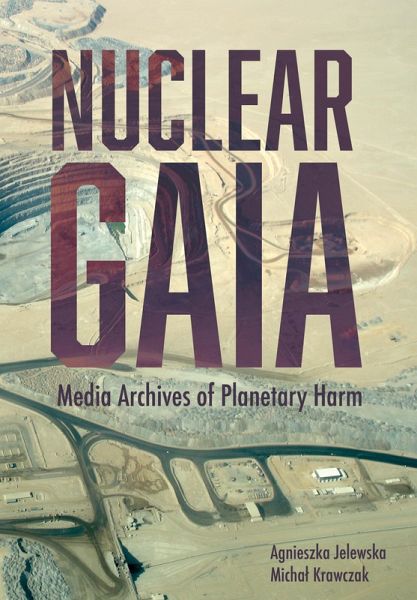
Describes the transformations we have witnessed due to the development of nuclear science and technology, accelerating policies interdependent on energy, and military procedures that have led us to make a provocative claim that, in many respects, planet Earth is getting closer to the embodiment of the project we call Nuclear Gaia.
The book examines media archives and online platforms that recover data and memory and shape community knowledge of nuclear events from the distant and nearer past. These are the pieces of evidence that we are on the eve of creating new forms of social justice, carried out by open-source investigations (OSINT) groups, independent researchers, artists, media makers, activists, local communities, and civic groups.
Thus, analysing nuclear processes and their social and environmental consequences is no longer the exclusive domain of experts, scientists, politicians, and the military. The authors hope that such communities' practices and decolonial discourses, combined with the critiques within our methodology as post-nuclear media studies, can also change the fate of nuclear industry victims by creating media space to discuss and regain justice as socially sanctioned and shared rules for understanding and using nuclear energy both in past and the future.
The book examines media archives and online platforms that recover data and memory and shape community knowledge of nuclear events from the distant and nearer past. These are the pieces of evidence that we are on the eve of creating new forms of social justice, carried out by open-source investigations (OSINT) groups, independent researchers, artists, media makers, activists, local communities, and civic groups.
Thus, analysing nuclear processes and their social and environmental consequences is no longer the exclusive domain of experts, scientists, politicians, and the military. The authors hope that such communities' practices and decolonial discourses, combined with the critiques within our methodology as post-nuclear media studies, can also change the fate of nuclear industry victims by creating media space to discuss and regain justice as socially sanctioned and shared rules for understanding and using nuclear energy both in past and the future.
Dieser Download kann aus rechtlichen Gründen nur mit Rechnungsadresse in A, D ausgeliefert werden.