Sie sind bereits eingeloggt. Klicken Sie auf 2. tolino select Abo, um fortzufahren.
Bitte loggen Sie sich zunächst in Ihr Kundenkonto ein oder registrieren Sie sich bei bücher.de, um das eBook-Abo tolino select nutzen zu können.
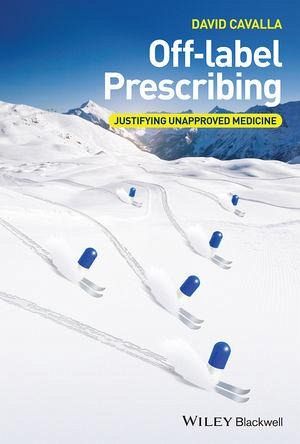
Today s medicines are regulated for their efficacy and safety and, once approved, they can be marketed for certain uses as justified by the data. Regulatory bodies in developed countries are constituted by legal statute and operate as parts of government, ostensibly in the interests of the people as patients. But once approved, medicines can be used for any purpose the prescriber thinks fit and appropriate for the patient. One in five prescriptions is therefore written outside regulatory purview. Off-label Prescribing looks into the corners of our medicated lives, where drug regulation runs up…mehr
Today s medicines are regulated for their efficacy and safety and, once approved, they can be marketed for certain uses as justified by the data. Regulatory bodies in developed countries are constituted by legal statute and operate as parts of government, ostensibly in the interests of the people as patients. But once approved, medicines can be used for any purpose the prescriber thinks fit and appropriate for the patient. One in five prescriptions is therefore written outside regulatory purview. Off-label Prescribing looks into the corners of our medicated lives, where drug regulation runs up against medical practice, and concerns the use of a drug that has been approved for one use (in medical parlance, indication ) being used for a different indication; alternatively, being used on a different set of patients from the ones it is approved for, or at a different dose. Usually the patient is unaware of what is going on, having not been informed by their doctor of this aspect of his or her prescribing choice. The book examines how and why this occurs, what the various medical professions have to say about it, and how pharmaceutical companies benefit by moving into this poorly regulated area. Off-label Prescribing pulls these complex issues together in one volume, to highlight current practice, its advantages and weaknesses and how the author suggests practice should evolve in the future. It will therefore be of interest to all those who prescribe (and receive) medicines, combined with a greater objective to provide more transparency and discussion for professionals.
Dieser Download kann aus rechtlichen Gründen nur mit Rechnungsadresse in D ausgeliefert werden.
Die Herstellerinformationen sind derzeit nicht verfügbar.
Autorenporträt
David Cavalla, is an expert on secondary uses for existing drugs, or drug repurposing. He currrently operates through his consultancy, Numedicus Ltd, having worked in drug repurposing for 15 years. Previously he was CEO of Arachnova, and prior to that held various senior positions in pharmaceutical drug discovery at GSK and Napp Research Centre. He has written widely on drug discovery strategy, and is the author of 70 published papers and patents.
Inhaltsangabe
Foreword ix Acknowledgement xi Author's note on the cover design xiii Introduction xv 1 What is off-label medication and how prevalent is it? 1 What is 'off-label' medicine? 2 Scope of the issue 8 2 Where it all went right: new uses for existing drugs supported by good evidence 19 Examples where products have been through regulatory approval for a secondary use 19 Finasteride: pseudohermaphroditism and hair growth 19 Sildenafil: re-tasking the blue pill for a life-threatening illness 21 Doxycycline: from killing bugs to protecting gums 22 Raloxifene: from cancer to bone disease and back again 23 Galantamine: using snowdrops to improve memory 24 Cyclosporine: preventing immune attack on organs and skin 25 Dimethyl fumarate: a remarkable drug for multiple sclerosis 26 Botox: a drug to kill or cure you 27 Examples where evidence is uncertain and not to regulatory standards 28 Tricyclic antidepressants: for curing more than emotional pain 28 Aspirin for cancer 30 Retrospective data: looking back to create future therapies 30 3 Shared decision making and consent 33 Viewpoint of the patient 34 Viewpoint of the prescriber 37 Professional guidelines 38 Patient awareness 41 Practitioner attitudes 41 Diagnosis 44 4 Gaming the system: the role of the pharmaceutical industry 47 Normal drug development and drug repurposing development 48 Gaming the system 53 Orphan use 56 Pharmaceutical marketing 61 Expanding uses for non-pharmaceuticals 64 DTC advertising 64 Patents and genericisation 65 Conclusion 68 5 Do no harm: Safety and efficacy 71 Relative safety 73 Different therapeutic uses 73 Chronic versus acute dosing 78 Different dose 81 Differences between children and adults 82 Other patient populations 86 Fatal ADRs 87 Quality of evidence 88 Strong evidence 89 Poor evidence 91 Doctors do not know evidence 94 Proximity of off-label to on-label 96 Debunking medical myths 101 6 Liability injustice and reimbursement: who should pay? 105 A prescriber's ethical and professional duties 105 Medical professional participation in off-label promotion 105 A prescriber's legal position 106 Consent 106 Liability 111 Reimbursement 113 Compendia 115 NICE 117 Compassionate access 120 Cost as a driver for off-label medicine 121 7 The role of regulation in off-label medicine 125 Regulators do not regulate medical practice 126 Off-label marketing 128 Off-label fines 130 Whistle-blowers 134 European situation 134 Tip of the iceberg 136 Free speech 138 8 Justifying unapproved medicine 143 Constraints on making changes 144 Moves to enhance off-label medicine 145 Diagnosis shifting 146 A partial solution: clinical trial transparency 147 A solution based on increased regulatory supervision 152 My solutions 153 Professional standards 153 Reimbursement and pricing 156 Outcomes 159 Conclusion 173 References 175 Index 191
Foreword ix Acknowledgement xi Author's note on the cover design xiii Introduction xv 1 What is off-label medication and how prevalent is it? 1 What is 'off-label' medicine? 2 Scope of the issue 8 2 Where it all went right: new uses for existing drugs supported by good evidence 19 Examples where products have been through regulatory approval for a secondary use 19 Finasteride: pseudohermaphroditism and hair growth 19 Sildenafil: re-tasking the blue pill for a life-threatening illness 21 Doxycycline: from killing bugs to protecting gums 22 Raloxifene: from cancer to bone disease and back again 23 Galantamine: using snowdrops to improve memory 24 Cyclosporine: preventing immune attack on organs and skin 25 Dimethyl fumarate: a remarkable drug for multiple sclerosis 26 Botox: a drug to kill or cure you 27 Examples where evidence is uncertain and not to regulatory standards 28 Tricyclic antidepressants: for curing more than emotional pain 28 Aspirin for cancer 30 Retrospective data: looking back to create future therapies 30 3 Shared decision making and consent 33 Viewpoint of the patient 34 Viewpoint of the prescriber 37 Professional guidelines 38 Patient awareness 41 Practitioner attitudes 41 Diagnosis 44 4 Gaming the system: the role of the pharmaceutical industry 47 Normal drug development and drug repurposing development 48 Gaming the system 53 Orphan use 56 Pharmaceutical marketing 61 Expanding uses for non-pharmaceuticals 64 DTC advertising 64 Patents and genericisation 65 Conclusion 68 5 Do no harm: Safety and efficacy 71 Relative safety 73 Different therapeutic uses 73 Chronic versus acute dosing 78 Different dose 81 Differences between children and adults 82 Other patient populations 86 Fatal ADRs 87 Quality of evidence 88 Strong evidence 89 Poor evidence 91 Doctors do not know evidence 94 Proximity of off-label to on-label 96 Debunking medical myths 101 6 Liability injustice and reimbursement: who should pay? 105 A prescriber's ethical and professional duties 105 Medical professional participation in off-label promotion 105 A prescriber's legal position 106 Consent 106 Liability 111 Reimbursement 113 Compendia 115 NICE 117 Compassionate access 120 Cost as a driver for off-label medicine 121 7 The role of regulation in off-label medicine 125 Regulators do not regulate medical practice 126 Off-label marketing 128 Off-label fines 130 Whistle-blowers 134 European situation 134 Tip of the iceberg 136 Free speech 138 8 Justifying unapproved medicine 143 Constraints on making changes 144 Moves to enhance off-label medicine 145 Diagnosis shifting 146 A partial solution: clinical trial transparency 147 A solution based on increased regulatory supervision 152 My solutions 153 Professional standards 153 Reimbursement and pricing 156 Outcomes 159 Conclusion 173 References 175 Index 191
Es gelten unsere Allgemeinen Geschäftsbedingungen: www.buecher.de/agb
Impressum
www.buecher.de ist ein Internetauftritt der buecher.de internetstores GmbH
Geschäftsführung: Monica Sawhney | Roland Kölbl | Günter Hilger
Sitz der Gesellschaft: Batheyer Straße 115 - 117, 58099 Hagen
Postanschrift: Bürgermeister-Wegele-Str. 12, 86167 Augsburg
Amtsgericht Hagen HRB 13257
Steuernummer: 321/5800/1497
USt-IdNr: DE450055826