58,95 €
58,95 €
inkl. MwSt.
Sofort per Download lieferbar

29 °P sammeln
58,95 €
Als Download kaufen
58,95 €
inkl. MwSt.
Sofort per Download lieferbar
29 °P sammeln
Jetzt verschenken
Alle Infos zum eBook verschenken
58,95 €
inkl. MwSt.
Sofort per Download lieferbar
Alle Infos zum eBook verschenken
29 °P sammeln

Andere Kunden interessierten sich auch für
") Offender Rehabilitation Issues (eBook, PDF)58,95 €
Offender Rehabilitation Issues (eBook, PDF)58,95 €") Foundations of Offender Rehabilitation (eBook, ePUB)41,95 €
Foundations of Offender Rehabilitation (eBook, ePUB)41,95 €") Integrated Offender Management and the Policing of Prolific Offenders (eBook, ePUB)39,95 €
Integrated Offender Management and the Policing of Prolific Offenders (eBook, ePUB)39,95 €") Community, Crime Control, and Collective Efficacy (eBook, ePUB)70,95 €
Community, Crime Control, and Collective Efficacy (eBook, ePUB)70,95 €") The Illicit Economy in Turkey (eBook, ePUB)25,95 €
The Illicit Economy in Turkey (eBook, ePUB)25,95 €") Forgotten Reformer (eBook, ePUB)45,95 €
Forgotten Reformer (eBook, ePUB)45,95 €") Social and Political Issues on Sustainable Development in the Post Covid-19 Crisis (eBook, ePUB)0,00 €
Social and Political Issues on Sustainable Development in the Post Covid-19 Crisis (eBook, ePUB)0,00 €






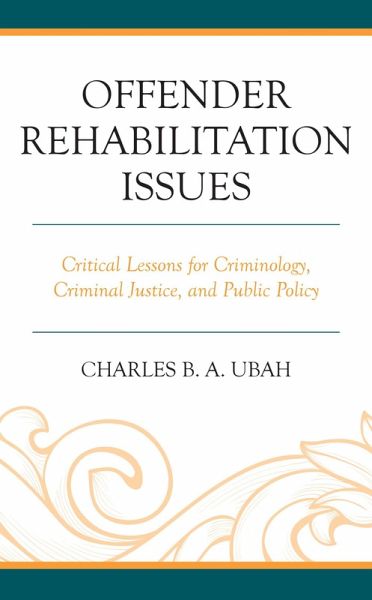
Most of the studies that discuss offender rehabilitation focus on the debate over whether prison-based education programs work, ignoring the important issues that these programs undertake. Using a critical approach, Offender Rehabilitation Issues: Critical Lessons for Criminology, Criminal Justice, and Public Policy fills the gap by highlighting the offender rehabilitation programs that continue to divide scholars, policy makers, correctional practitioners, students, and the public. This book demonstrates and reaffirms that offender rehabilitation programs and recidivism rates are important and critical social issues that do not exist in a vacuum, are complex interacting social processes and issues with broader social, economic, legal, and political environmental forces and pressures.