22,95 €
22,95 €
inkl. MwSt.
Sofort per Download lieferbar

11 °P sammeln
22,95 €
Als Download kaufen
22,95 €
inkl. MwSt.
Sofort per Download lieferbar
11 °P sammeln
Jetzt verschenken
Alle Infos zum eBook verschenken
22,95 €
inkl. MwSt.
Sofort per Download lieferbar
Alle Infos zum eBook verschenken
11 °P sammeln

Andere Kunden interessierten sich auch für
") Sustainability in Ancient Island Societies (eBook, ePUB)73,95 €
Sustainability in Ancient Island Societies (eBook, ePUB)73,95 €") Coastal Shrines and Transnational Maritime Networks across India and Southeast Asia (eBook, ePUB)41,95 €
Coastal Shrines and Transnational Maritime Networks across India and Southeast Asia (eBook, ePUB)41,95 €") Early and Middle Woodland Landscapes of the Southeast (eBook, ePUB)22,95 €
Early and Middle Woodland Landscapes of the Southeast (eBook, ePUB)22,95 €") Digging Up Armageddon (eBook, ePUB)15,95 €
Digging Up Armageddon (eBook, ePUB)15,95 €") The Timucuan Chiefdoms of Spanish Florida (eBook, ePUB)20,95 €
The Timucuan Chiefdoms of Spanish Florida (eBook, ePUB)20,95 €") The Archaeology of Race and Class at Timbuctoo (eBook, ePUB)18,95 €
The Archaeology of Race and Class at Timbuctoo (eBook, ePUB)18,95 €") The Southeast Asia Connection (eBook, ePUB)22,95 €
The Southeast Asia Connection (eBook, ePUB)22,95 €
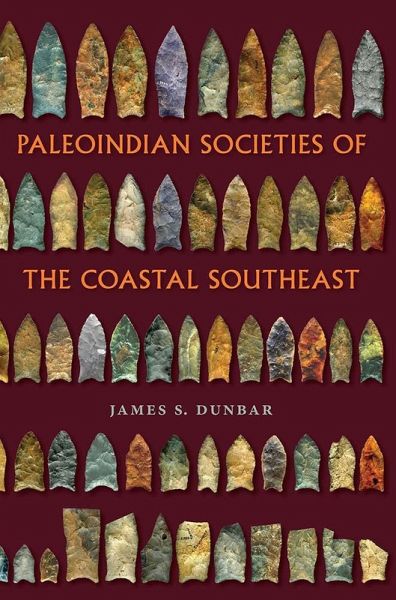
The late Pleistocene-early Holocene landscape hosted more species and greater numbers of them in the Southeast compared to any other region in North America at that time. Yet James Dunbar posits that a misguided reliance on using Old World origins to validate New World evidence has stalled research in this area. Rejecting the one-size-fits-all approach to Pleistocene archaeological sites, Dunbar analyzes five areas of contextual data-stratigraphy; chronology; paleoclimate; the combined consideration of habitat, resource availability, and subsistence; and artifacts and technology-to resolve unanswered questions surrounding the Paleoindian occupation of the Americas. Through his extensive research, Dunbar demonstrates a masterful understanding of the lifeways of the region's people and the animals they hunted, showing that the geography and diversity of food sources was unique to that period. He suggests that the most important archaeological and paleontological resources in the Americas still remain undiscovered in Florida's karst river basins. Building a case for the wealth of information yet to be unearthed, he provides a fresh perspective on the distant past and an original way of thinking about early life on the land mass we call Florida. A volume in the Florida Museum of Natural History: Ripley P. Bullen Series
Dieser Download kann aus rechtlichen Gründen nur mit Rechnungsadresse in A, D ausgeliefert werden.