1,99 €
inkl. MwSt.
Sofort per Download lieferbar
0 °P sammeln

Andere Kunden interessierten sich auch für
") The Symphony of Life (eBook, ePUB)2,99 €
The Symphony of Life (eBook, ePUB)2,99 €") West of the Moon (eBook, ePUB)0,99 €
West of the Moon (eBook, ePUB)0,99 €") Spec's Tale: Collectors Edition (eBook, ePUB)2,99 €
Spec's Tale: Collectors Edition (eBook, ePUB)2,99 €") The Gown of Harmonies (eBook, ePUB)2,99 €
The Gown of Harmonies (eBook, ePUB)2,99 € (eBook, ePUB)") Poetry 101: Poems to Soothe the Soul (Be Kind, It's Free!!, #1) (eBook, ePUB)8,99 €
Poetry 101: Poems to Soothe the Soul (Be Kind, It's Free!!, #1) (eBook, ePUB)8,99 € (eBook, ePUB)") The Power of Love (An Electric Eclectic Book) (eBook, ePUB)0,00 €
The Power of Love (An Electric Eclectic Book) (eBook, ePUB)0,00 € (eBook, ePUB)") The Fey Bard (The Celtic Fey, #4) (eBook, ePUB)3,99 €
The Fey Bard (The Celtic Fey, #4) (eBook, ePUB)3,99 €



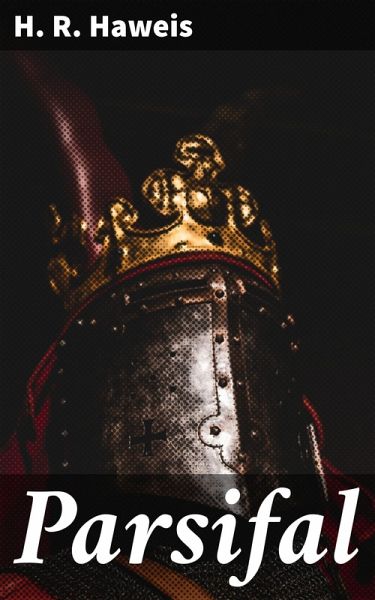
H. R. Haweis's *Parsifal* emerges as a compelling exploration of the intertwining themes of innocence and redemption, inspired by Wagner's eponymous opera. Written in a poetic prose that marries the musicality of the German composer's score with intricate narrative layers, Haweis intricately delves into the quest for the Holy Grail as a metaphor for spiritual enlightenment. The text navigates the ambiguous terrain between myth and reality, all the while reflecting the cultural tensions of the late 19th century'-a period characterized by a renewed interest in spirituality and European literary revival. As an influential figure in the Victorian literary scene, H. R. Haweis was a preacher, art critic, and a proponent of aestheticism, which profoundly shaped his literary voice. His exposure to the performing arts and theology undoubtedly colored his interpretation of *Parsifal*, allowing him to infuse his writing with profound philosophical insights. Haweis's deep admiration for Wagner's work and his commitment to articulating the spiritual undertones within European art resonate throughout the text, positioning it as a noteworthy contribution to the genre of literary interpretations of operatic works. I highly recommend *Parsifal* to readers interested in the intersection of literature and music, as well as those seeking a deeper understanding of the philosophical queries surrounding the human experience. Haweis's nuanced approach enriches the existing discourse on Wagner's opera, inviting reflection and wonder that linger long after the final page has been turned. In this enriched edition, we have carefully created added value for your reading experience: - A succinct Introduction situates the work's timeless appeal and themes. - The Synopsis outlines the central plot, highlighting key developments without spoiling critical twists. - A detailed Historical Context immerses you in the era's events and influences that shaped the writing. - An Author Biography reveals milestones in the author's life, illuminating the personal insights behind the text. - A thorough Analysis dissects symbols, motifs, and character arcs to unearth underlying meanings. - Reflection questions prompt you to engage personally with the work's messages, connecting them to modern life. - Hand-picked Memorable Quotes shine a spotlight on moments of literary brilliance. - Interactive footnotes clarify unusual references, historical allusions, and archaic phrases for an effortless, more informed read.
Dieser Download kann aus rechtlichen Gründen nur mit Rechnungsadresse in A, B, BG, CY, CZ, D, DK, EW, E, FIN, F, GR, H, IRL, I, LT, L, LR, M, NL, PL, P, R, S, SLO, SK ausgeliefert werden.