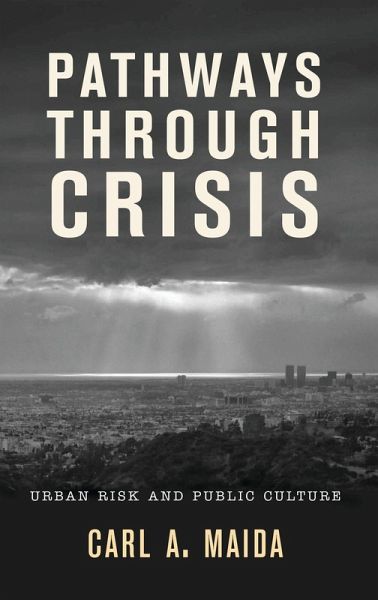
83,95 €
inkl. MwSt.
Sofort per Download lieferbar
42 °P sammeln

Andere Kunden interessierten sich auch für
") Pathways through Crisis (eBook, ePUB)82,95 €
Pathways through Crisis (eBook, ePUB)82,95 €") City Branding in Chinese Megacity Regions (eBook, PDF)42,95 €
City Branding in Chinese Megacity Regions (eBook, PDF)42,95 €") Informal Markets, Livelihood and Politics (eBook, PDF)41,95 €
Informal Markets, Livelihood and Politics (eBook, PDF)41,95 €") Feminist Psychology (eBook, PDF)46,95 €
Feminist Psychology (eBook, PDF)46,95 €") Revisiting Rental Housing (eBook, PDF)22,95 €
Revisiting Rental Housing (eBook, PDF)22,95 €") No Place Like Home (eBook, PDF)14,95 €
No Place Like Home (eBook, PDF)14,95 €") Africa's Urban Revolution (eBook, PDF)20,95 €
Africa's Urban Revolution (eBook, PDF)20,95 €




When densely populated urban areas face severe crises-natural disasters, epidemics, sudden unemployment, massive immigration-they often find that established mechanisms cannot respond adequately to the problems. Carl Maida argues that solutions to these problems tend to be developed within the affected communities themselves. In Pathways through Crisis, he draws on his two decades of work in ethnography and with crisis centers in the Los Angeles area to study the kinds of informal organizations that arise at the grass-roots level in order to deal with severe crises. This ground-breaking examination of responses to urban disaster suggests how both informal and formal organizations can be developed to serve people under extreme duress.