Sie sind bereits eingeloggt. Klicken Sie auf 2. tolino select Abo, um fortzufahren.
Bitte loggen Sie sich zunächst in Ihr Kundenkonto ein oder registrieren Sie sich bei bücher.de, um das eBook-Abo tolino select nutzen zu können.
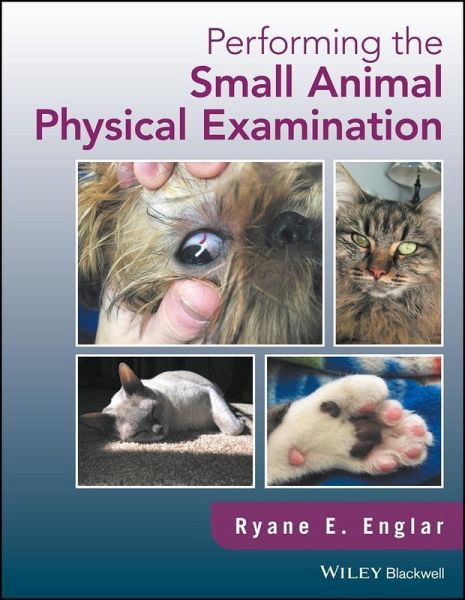
Performing the Small Animal Physical Examination offers an easy-to-follow guide to successfully executing a thorough physical exam in cats and dogs, with nearly 1,000 clinical photographs depicting step-by-step details. * Provides comprehensive, practical information on the physical examination in small animal patients * Presents nearly 1,000 color photographs with step-by-step details of the procedures and principles * Offers advice on preparing the examination room, useful tips, and concrete guidance for examining each body system * Outlines a systematic, in-depth approach to the initial…mehr
Performing the Small Animal Physical Examination offers an easy-to-follow guide to successfully executing a thorough physical exam in cats and dogs, with nearly 1,000 clinical photographs depicting step-by-step details. * Provides comprehensive, practical information on the physical examination in small animal patients * Presents nearly 1,000 color photographs with step-by-step details of the procedures and principles * Offers advice on preparing the examination room, useful tips, and concrete guidance for examining each body system * Outlines a systematic, in-depth approach to the initial examination in dogs and cats * Supports new and experienced veterinarians and veterinary technicians alike in performing a thorough basic exam
Dieser Download kann aus rechtlichen Gründen nur mit Rechnungsadresse in D ausgeliefert werden.
Die Herstellerinformationen sind derzeit nicht verfügbar.
Autorenporträt
The author Ryane E. Englar, DVM, DABVP (Canine and Feline Practice), is Assistant Professor of Small Animal Primary Care at Midwestern University College of Veterinary Medicine in Glendale, Arizona, USA.
Inhaltsangabe
About the Author
Preface
Acknowledgments
Part One Performing the Feline Physical Examination
1 Setting the Stage: Feline-Friendly Practice
1.1 Challenges Faced in Feline Practice
1.2 The Emergence of Feline-Friendly Practice
1.3 Key Principles of Feline-Friendly Practice
1.4 The Role of Sound
1.5 The Role of Tactile Stimulation
1.6 The Role of Scent
1.7 The Role of Advance Preparation
1.8 Examination Room Etiquette: Accessing the Cat
1.9 Recognizing Body Language
1.10 Feline-Friendly Handling
1.11 Other Feline Handling Tools
2 Assessing the Big Picture: the Body, the Coat, and the Skin of the Cat
2.1 Forms of Identification
2.2 Body Condition Scoring
2.3 Assessing Hydration
2.4 Inspecting the Coat: First Impressions
2.5 Identifying Coat Colors and Coat Patterns
2.6 Assessing Coat Quality
2.7 Inspecting the Skin
3 Examining the Head of the Cat
3.1 Skull Shape and Facial Symmetry
3.2 The Eyes and Accessory Visual Structures
3.3 The Ears
3.4 The Nose
3.5 The Extra-Oral Examination
3.6 The Intra-Oral Examination
4 Examining the Endocrine and Lymphatic Systems of the Cat
4.1 Evaluating the Thyroid Gland
4.2 Assessing the Lymphatic System
5 Examining the Cardiovascular and Respiratory Systems of the Cat
5.1 The Cardiac Patient
5.2 Assessing the Cardiovascular System Prior to Auscultation
5.3 Cardiothoracic Auscultation
5.4 The Respiratory Patient
5.5 Assessing the Respiratory System Prior to Auscultation
5.6 Understanding Normal Airway Sounds
5.7 Ausculting the Airway
5.8 Understanding Adventitious Airway Sounds
5.9 Using Airway Sounds to Corroborate Percussive Findings
5.10 Purring as an Obstruction to Auscultation
6 Examining the Abdominal Cavity of the Cat
6.1 Overview of the Digestive Tract as It Pertains to Presenting Complaints
6.2 The Esophagus
6.3 Visual Inspection of the Abdomen
6.4 Superficial Palpation of the Abdomen
6.5 Deep Palpation of the Abdomen
6.6 The Upper Urinary Tract
6.7 The Lower Urinary Tract
6.8 The Male Reproductive Tract
6.9 The Female Reproductive Tract
6.10 Being Presented with a Female of Unknown Sexual Status
6.11 Neonates
7 Examining the Musculoskeletal System of the Cat
7.1 Muscle Condition Score (MCS)
7.2 The Skeleton as a Whole
7.3 The Appendicular Skeleton: The Forelimb
7.4 The Appendicular Skeleton: The Hind Limb
8 Evaluating the Nervous System of the Cat
8.1 Assessing Behavior and Mental Status
8.2 Assessing Posture
8.3 Assessing Coordination and Gait
8.4 Assessing Postural Reactions
8.5 Assessing for Other Abnormal Movements
8.6 Evaluating the Spinal Reflexes
8.7 Assessing the Cranial Nerves
8.8 Assessing Nociception
Part Two Performing the Canine Physical Examination
9 Setting the Stage: Canine-Friendly Practice and Low-Stress Handling
9.1 Challenges Faced in Canine Practice
9.2 The Concept of Low-Stress Handling
9.3 White Coat Syndrome
9.4 The Role of Scent
9.5 The Role of Advance Preparation
9.6 Examination Room Etiquette: Setting the Tone for Initial Veterinary Interactions with the Dog
Part One Performing the Feline Physical Examination
1 Setting the Stage: Feline-Friendly Practice
1.1 Challenges Faced in Feline Practice
1.2 The Emergence of Feline-Friendly Practice
1.3 Key Principles of Feline-Friendly Practice
1.4 The Role of Sound
1.5 The Role of Tactile Stimulation
1.6 The Role of Scent
1.7 The Role of Advance Preparation
1.8 Examination Room Etiquette: Accessing the Cat
1.9 Recognizing Body Language
1.10 Feline-Friendly Handling
1.11 Other Feline Handling Tools
2 Assessing the Big Picture: the Body, the Coat, and the Skin of the Cat
2.1 Forms of Identification
2.2 Body Condition Scoring
2.3 Assessing Hydration
2.4 Inspecting the Coat: First Impressions
2.5 Identifying Coat Colors and Coat Patterns
2.6 Assessing Coat Quality
2.7 Inspecting the Skin
3 Examining the Head of the Cat
3.1 Skull Shape and Facial Symmetry
3.2 The Eyes and Accessory Visual Structures
3.3 The Ears
3.4 The Nose
3.5 The Extra-Oral Examination
3.6 The Intra-Oral Examination
4 Examining the Endocrine and Lymphatic Systems of the Cat
4.1 Evaluating the Thyroid Gland
4.2 Assessing the Lymphatic System
5 Examining the Cardiovascular and Respiratory Systems of the Cat
5.1 The Cardiac Patient
5.2 Assessing the Cardiovascular System Prior to Auscultation
5.3 Cardiothoracic Auscultation
5.4 The Respiratory Patient
5.5 Assessing the Respiratory System Prior to Auscultation
5.6 Understanding Normal Airway Sounds
5.7 Ausculting the Airway
5.8 Understanding Adventitious Airway Sounds
5.9 Using Airway Sounds to Corroborate Percussive Findings
5.10 Purring as an Obstruction to Auscultation
6 Examining the Abdominal Cavity of the Cat
6.1 Overview of the Digestive Tract as It Pertains to Presenting Complaints
6.2 The Esophagus
6.3 Visual Inspection of the Abdomen
6.4 Superficial Palpation of the Abdomen
6.5 Deep Palpation of the Abdomen
6.6 The Upper Urinary Tract
6.7 The Lower Urinary Tract
6.8 The Male Reproductive Tract
6.9 The Female Reproductive Tract
6.10 Being Presented with a Female of Unknown Sexual Status
6.11 Neonates
7 Examining the Musculoskeletal System of the Cat
7.1 Muscle Condition Score (MCS)
7.2 The Skeleton as a Whole
7.3 The Appendicular Skeleton: The Forelimb
7.4 The Appendicular Skeleton: The Hind Limb
8 Evaluating the Nervous System of the Cat
8.1 Assessing Behavior and Mental Status
8.2 Assessing Posture
8.3 Assessing Coordination and Gait
8.4 Assessing Postural Reactions
8.5 Assessing for Other Abnormal Movements
8.6 Evaluating the Spinal Reflexes
8.7 Assessing the Cranial Nerves
8.8 Assessing Nociception
Part Two Performing the Canine Physical Examination
9 Setting the Stage: Canine-Friendly Practice and Low-Stress Handling
9.1 Challenges Faced in Canine Practice
9.2 The Concept of Low-Stress Handling
9.3 White Coat Syndrome
9.4 The Role of Scent
9.5 The Role of Advance Preparation
9.6 Examination Room Etiquette: Setting the Tone for Initial Veterinary Interactions with the Dog
Rezensionen
?Performing the Small Animal Physical Examination provides a very detailed overview of how to complete a comprehensive physical examination in dogs and cats?.Although the text contains many medical terms, it is easy to read and follow. The best part of this book is the vast amount of color photographs it contains that complement and reinforce information provided in the text and provide comparisons of normal versus abnormal?.This book will be an excellent resource for veterinary and veterinary technician students and new graduates. It will also be appropriate for experienced large animal veterinarians who are transitioning into small animal medicine and desire information on current low-stress examination techniques for dogs and cats.? JAVMA, January 2018
Es gelten unsere Allgemeinen Geschäftsbedingungen: www.buecher.de/agb
Impressum
www.buecher.de ist ein Internetauftritt der buecher.de internetstores GmbH
Geschäftsführung: Monica Sawhney | Roland Kölbl | Günter Hilger
Sitz der Gesellschaft: Batheyer Straße 115 - 117, 58099 Hagen
Postanschrift: Bürgermeister-Wegele-Str. 12, 86167 Augsburg
Amtsgericht Hagen HRB 13257
Steuernummer: 321/5800/1497
USt-IdNr: DE450055826