Sie sind bereits eingeloggt. Klicken Sie auf 2. tolino select Abo, um fortzufahren.
Bitte loggen Sie sich zunächst in Ihr Kundenkonto ein oder registrieren Sie sich bei bücher.de, um das eBook-Abo tolino select nutzen zu können.
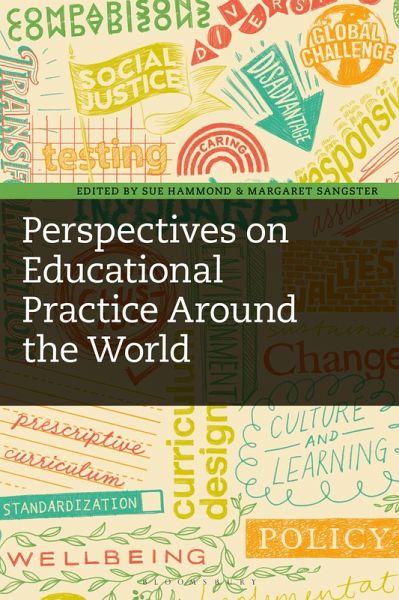
This book explores the philosophies, barriers and opportunities shaping education environments for children, teachers and student teachers in diverse countries around the world through a series of pertinent articles. These are drawn from the contributors' experiential knowledge of education in contexts such as Australia, Canada, China, Finland, India, Nepal, Palestine, Qatar, South Africa, the UK and Venezuela. The issues raised enable valuable insights into formal education from pre-school to higher education within individual national contexts, while also having significance across state…mehr
This book explores the philosophies, barriers and opportunities shaping education environments for children, teachers and student teachers in diverse countries around the world through a series of pertinent articles. These are drawn from the contributors' experiential knowledge of education in contexts such as Australia, Canada, China, Finland, India, Nepal, Palestine, Qatar, South Africa, the UK and Venezuela. The issues raised enable valuable insights into formal education from pre-school to higher education within individual national contexts, while also having significance across state boundaries. They are set against a background of international comparisons, global economies and communications, and environmental and social change. The topics covered include global citizenship, learning environments, inclusion and inequality. Each of the articles introduces a key issue, offers contextualized examples and questions to prompt discussion and further research, along with a guide to further resources. Thoughtfully structured, the editors provide an overarching introduction and concluding chapter, reflecting on global issues and directions of travel in educational policies as well as highlighting countries which are bucking current trends. They also include a short introduction to each part, drawing together chapters and challenging thinking.
Die Herstellerinformationen sind derzeit nicht verfügbar.
Autorenporträt
Sue Hammond is Senior Lecturer in Primary Education at Canterbury Christ Church University, UK. As a primary school teacher, Sue was committed to developing children's talents, interests and learning. Through her role in teacher education, she works closely with schools, extending her research into social diversity. Sue was a consultant in Malaysia and India and has taught teachers and students from across the globe. Margaret Sangster was formerly Principal Lecturer in Primary Education at Canterbury Christ Church University, UK. Margaret worked as an advisor to primary and middle schools, was a Principal Lecturer in Primary Mathematics, and held managerial positions in higher education. She acted as a mathematics consultant in Malaysia.
Inhaltsangabe
Notes on Contributors Preface Introduction Part I: A View from the Inside 1.What is the Purpose of Education in a Country Infected by Poverty and Corruption? Andrea Ramos Arias (Canterbury Christ Church University, UK) 2.How Practical is it to Implement National Standards in an International Setting? (Primary School Teacher, Qatar) 3.An Imperial Relic or Preparation for a Global Society? What are the Issues of Having English-medium Schools? Simon Hoult (Canterbury Christ Church University, UK) and Christudas Amala Lal (University of Kerala, India) 4.Who Decides What Should Be Taught in Our Schools and Why? Yvonne S. Findlay (University of Southern Queensland, Australia) 5.What Are the Effects of Changing Curriculums? Mas Norbany binti Abu Samah (IPG Kampus Dato' Razali Ismail, Malaysia) 6.Are There Strategies that Provide Successful Inclusion for All Students in General Education? Ellen Warrington (Mount Mercy University, USA) 7.Can Diversity Really Be Used in Minority Language Teaching? Lynne Wiltse (University of Alberta, Canada) 8.How Can Inclusion be Promoted Through a Linguistically Responsive Pedagogy? (Jenni Alisaari (University of Turku, Finland), Heli Vigren (University of Turku, Finland) and Leena Maria Heikkola (University of Oslo, Norway) 9.How Much Does Teacher Enthusiasm Affect Student Learning? Maria Mifsud (University of Malta, Malta) 10.What Social Justice is Being Achieved Through Education? Sue Hammond (Canterbury Christ Church University, UK) 11.What Pedagogical Questions Are Raised in Reforming Early Literacy Instruction? Mona Flognfeldt (Oslo and Akershus University College of Applied Sciences, Norway), Eva Michaelsen (Oslo and Akershus University College of Applied Sciences, Norway) and Kirsten Palm (Oslo and Akershus University College of Applied Sciences, Norway) 12.Does Collaborative Teaching Work? Tika Ram Pokhrel (Kathmandu University, Nepal) 13.How Can We Learn from Teaching in Another Country? Alison Leonard (Canterbury Christ Church University, UK) 14.How Can Visually Impaired Children Be Supported? Baraka Mwiyoha (DCT Mvumi Secondary School, Tanzania) and Alison Leonard (Canterbury Christ Church University, UK) 15.How Do Theory and Practice Relate to Each Other in the Social Reality of the Classroom? Vuyokazi Nomlomo (University of Western Cape, South Africa) and Melanie Luckay (University of Western Cape, South Africa) Part II: A View from the Outside Looking in 16.What Can We Learn from Two Contrasting Cultural Educational Traditions? Vanessa Young (Canterbury Christ Church University, UK) 17.How Could This Be? Hilde Tørnby (Oslo and Akershus University College of Applied Sciences, Norway) 18.How Can You Build Well-being in a Culturally Different Context? Karen Collett, (University of Western Cape, South Africa) 19.How Can International Exchange Programmes Support Teacher Development? Sissel Tove Olsen (Oslo and Akershus University College of Applied Sciences, Norway) 20.How Might Teachers Adapt Their Practice in Response to Traumatized Students? Jill Matthews (Canterbury Christ Church University, UK) 21.What Do Children Think about Other Nations, Peoples and Cultures? Stephen Scoffham (Canterbury Christ Church University, UK) Part III: A Meeting of Minds 22.How Do We Prepare Teachers as Global Educators and Balance National Accreditation Requirements With Global Challenges? Oliver McGarr (University of Limerick, Ireland) 23.How Does Prescribed Curriculum Content Impact on Inclusive Education Practices in Emerging Educational Systems? Viv Wilson (Canterbury Christ Church University, UK) and Mirna Nel (North Western University, South Africa) 24.What Are the Challenges for Teachers of Implementing Curriculum Change? Hanan Jibril-Dadoub (National Institute for Educational Training, Ministry of Education and Higher Education, Palestine), Maria Elsam (Canterbury Christ Church University, UK) and Joy Mower (Canterbury Christ Church University, UK) 25.What Can Be Gained from Intercultural Engagements? Christudas Amala Lal (University of Kerala, India) and Simon Hoult (Canterbury Christ Church University, UK) 26.How Might Experience Another Culture Challenge Assumptions? Clair Stevens (Canterbury Christ Church University, UK) and Sue Hammond (Canterbury Christ Church University, UK) 27.How Can We Learn to Live within Planetary Limits? Stephen Scoffham (Canterbury Christ Church University, UK) with Margaret Sangster (Canterbury Christ Church University, UK) 28.A Perspective on the Perspectives (Sue Hammond, (Canterbury Christ Church University, UK) References Index
Notes on Contributors Preface Introduction Part I: A View from the Inside 1.What is the Purpose of Education in a Country Infected by Poverty and Corruption? Andrea Ramos Arias (Canterbury Christ Church University, UK) 2.How Practical is it to Implement National Standards in an International Setting? (Primary School Teacher, Qatar) 3.An Imperial Relic or Preparation for a Global Society? What are the Issues of Having English-medium Schools? Simon Hoult (Canterbury Christ Church University, UK) and Christudas Amala Lal (University of Kerala, India) 4.Who Decides What Should Be Taught in Our Schools and Why? Yvonne S. Findlay (University of Southern Queensland, Australia) 5.What Are the Effects of Changing Curriculums? Mas Norbany binti Abu Samah (IPG Kampus Dato' Razali Ismail, Malaysia) 6.Are There Strategies that Provide Successful Inclusion for All Students in General Education? Ellen Warrington (Mount Mercy University, USA) 7.Can Diversity Really Be Used in Minority Language Teaching? Lynne Wiltse (University of Alberta, Canada) 8.How Can Inclusion be Promoted Through a Linguistically Responsive Pedagogy? (Jenni Alisaari (University of Turku, Finland), Heli Vigren (University of Turku, Finland) and Leena Maria Heikkola (University of Oslo, Norway) 9.How Much Does Teacher Enthusiasm Affect Student Learning? Maria Mifsud (University of Malta, Malta) 10.What Social Justice is Being Achieved Through Education? Sue Hammond (Canterbury Christ Church University, UK) 11.What Pedagogical Questions Are Raised in Reforming Early Literacy Instruction? Mona Flognfeldt (Oslo and Akershus University College of Applied Sciences, Norway), Eva Michaelsen (Oslo and Akershus University College of Applied Sciences, Norway) and Kirsten Palm (Oslo and Akershus University College of Applied Sciences, Norway) 12.Does Collaborative Teaching Work? Tika Ram Pokhrel (Kathmandu University, Nepal) 13.How Can We Learn from Teaching in Another Country? Alison Leonard (Canterbury Christ Church University, UK) 14.How Can Visually Impaired Children Be Supported? Baraka Mwiyoha (DCT Mvumi Secondary School, Tanzania) and Alison Leonard (Canterbury Christ Church University, UK) 15.How Do Theory and Practice Relate to Each Other in the Social Reality of the Classroom? Vuyokazi Nomlomo (University of Western Cape, South Africa) and Melanie Luckay (University of Western Cape, South Africa) Part II: A View from the Outside Looking in 16.What Can We Learn from Two Contrasting Cultural Educational Traditions? Vanessa Young (Canterbury Christ Church University, UK) 17.How Could This Be? Hilde Tørnby (Oslo and Akershus University College of Applied Sciences, Norway) 18.How Can You Build Well-being in a Culturally Different Context? Karen Collett, (University of Western Cape, South Africa) 19.How Can International Exchange Programmes Support Teacher Development? Sissel Tove Olsen (Oslo and Akershus University College of Applied Sciences, Norway) 20.How Might Teachers Adapt Their Practice in Response to Traumatized Students? Jill Matthews (Canterbury Christ Church University, UK) 21.What Do Children Think about Other Nations, Peoples and Cultures? Stephen Scoffham (Canterbury Christ Church University, UK) Part III: A Meeting of Minds 22.How Do We Prepare Teachers as Global Educators and Balance National Accreditation Requirements With Global Challenges? Oliver McGarr (University of Limerick, Ireland) 23.How Does Prescribed Curriculum Content Impact on Inclusive Education Practices in Emerging Educational Systems? Viv Wilson (Canterbury Christ Church University, UK) and Mirna Nel (North Western University, South Africa) 24.What Are the Challenges for Teachers of Implementing Curriculum Change? Hanan Jibril-Dadoub (National Institute for Educational Training, Ministry of Education and Higher Education, Palestine), Maria Elsam (Canterbury Christ Church University, UK) and Joy Mower (Canterbury Christ Church University, UK) 25.What Can Be Gained from Intercultural Engagements? Christudas Amala Lal (University of Kerala, India) and Simon Hoult (Canterbury Christ Church University, UK) 26.How Might Experience Another Culture Challenge Assumptions? Clair Stevens (Canterbury Christ Church University, UK) and Sue Hammond (Canterbury Christ Church University, UK) 27.How Can We Learn to Live within Planetary Limits? Stephen Scoffham (Canterbury Christ Church University, UK) with Margaret Sangster (Canterbury Christ Church University, UK) 28.A Perspective on the Perspectives (Sue Hammond, (Canterbury Christ Church University, UK) References Index
Es gelten unsere Allgemeinen Geschäftsbedingungen: www.buecher.de/agb
Impressum
www.buecher.de ist ein Internetauftritt der buecher.de internetstores GmbH
Geschäftsführung: Monica Sawhney | Roland Kölbl | Günter Hilger
Sitz der Gesellschaft: Batheyer Straße 115 - 117, 58099 Hagen
Postanschrift: Bürgermeister-Wegele-Str. 12, 86167 Augsburg
Amtsgericht Hagen HRB 13257
Steuernummer: 321/5800/1497
USt-IdNr: DE450055826