40,95 €
inkl. MwSt.
Sofort per Download lieferbar
20 °P sammeln

Andere Kunden interessierten sich auch für
") Resettlement Challenges for Displaced Populations and Refugees (eBook, PDF)72,95 €
Resettlement Challenges for Displaced Populations and Refugees (eBook, PDF)72,95 €") Making Cities Resilient (eBook, PDF)120,95 €
Making Cities Resilient (eBook, PDF)120,95 €") Planning for Resilience (eBook, PDF)40,95 €
Planning for Resilience (eBook, PDF)40,95 €") Urban Climate Resilience in Southeast Asia (eBook, PDF)128,95 €
Urban Climate Resilience in Southeast Asia (eBook, PDF)128,95 €") Urban Structure in Hot Arid Environments (eBook, PDF)72,95 €
Urban Structure in Hot Arid Environments (eBook, PDF)72,95 €") Mainstreaming Climate Co-Benefits in Indian Cities (eBook, PDF)88,95 €
Mainstreaming Climate Co-Benefits in Indian Cities (eBook, PDF)88,95 €") Low-Carbon Smart Cities (eBook, PDF)136,95 €
Low-Carbon Smart Cities (eBook, PDF)136,95 €
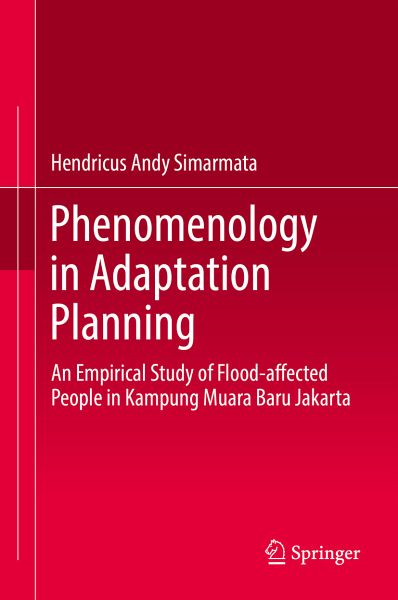
Uses lifeworld analysis as a lens to reveal planning knowledge with regard to adaptation
Builds on Schön's idea of "reflective practitioners"
Helps refine community-based adaptation models
Provides a humanistic perspective on the phenomenology of planning
Examines the transformation process of local people in the discourse on micro-sustainability
Dieser Download kann aus rechtlichen Gründen nur mit Rechnungsadresse in A, B, BG, CY, CZ, D, DK, EW, E, FIN, F, GR, HR, H, IRL, I, LT, L, LR, M, NL, PL, P, R, S, SLO, SK ausgeliefert werden.