Sie sind bereits eingeloggt. Klicken Sie auf 2. tolino select Abo, um fortzufahren.
Bitte loggen Sie sich zunächst in Ihr Kundenkonto ein oder registrieren Sie sich bei bücher.de, um das eBook-Abo tolino select nutzen zu können.
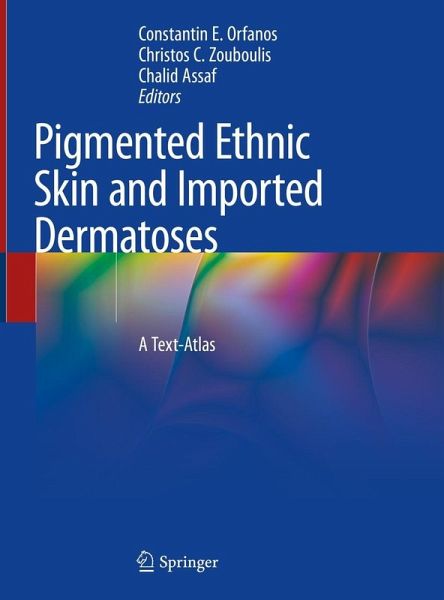
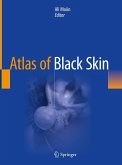
Written by expert dermatologists with years of experience in regions where dermatology on pigmented skin is routinely practiced Includes a wealth of high-quality illustrations in Atlas format, covering a broad spectrum of dermatological diseases Conveys authoritative information on all common inflammatory dermatoses and skin cancers, including genodermatoses
Written by expert dermatologists with years of experience in regions where dermatology on pigmented skin is routinely practiced
Includes a wealth of high-quality illustrations in Atlas format, covering a broad spectrum of dermatological diseases
Conveys authoritative information on all common inflammatory dermatoses and skin cancers, including genodermatoses
Dieser Download kann aus rechtlichen Gründen nur mit Rechnungsadresse in A, B, BG, CY, CZ, D, DK, EW, E, FIN, F, GR, HR, H, IRL, I, LT, L, LR, M, NL, PL, P, R, S, SLO, SK ausgeliefert werden.
Die Herstellerinformationen sind derzeit nicht verfügbar.
Autorenporträt
Professor Constantin E. Orfanos is a Professor Emeritus of the Charité University Medical School in Berlin. He served for many years as Director of the Department of Dermatology and Venereology at the Benjamin Franklin University Medical Center of the Free University of Berlin and a leading member of the International Committee for Dermatology (ICD). From 1990 to 1993 he served as the Dean of the Medical Faculty of the Free University of Berlin. Prof. Orfanos has also held numerous lectures for doctors and students in countries of the Middle East, China and Africa and served as a physician at a Christian Hospital in Tanzania. He is currently head of the Berlin Foundation of Dermatology. Professor Christos C. Zouboulis studied Medicine and Political Science at the National Capodistria University of Athens, Greece and specialized in Dermatology and Venereology, Allergology, Andrology and Proctology at the Benjamin Franklin University Medical Center in Berlin, Germany. After completing his doctorate and postdoctoral research, h was appointed a Professor of Dermatology and Venereology at the Free University of Berlin. Since 2005, he has been Director of the Department of Dermatology at the Dessau Medical Center in Dessau, Germany. Prof. Zouboulis has conducted fundamental research and has been awarded - among other fields - for his work on Dermato- Endocrinology and sebaceous glands, acne, hidradenitis suppurativa/acne inversa, skin stem cells, molecular ageing and rare diseases. Professor Chalid Assaf is Director of the Department of Dermatology at the HELIOS Klinikum Krefeld, Academic Hospital of the RWTH University Aachen in Germany, a post he has held since 2009. He studied at the medical school of the Free University of Berlin, Germany, with a fellowship at the John Radcliffe Hospital, University of Oxford, UK, and was awarded his MD in 1997. He started his clinical career with an internship at the Department of Pathology at the Benjamin Franklin University Medical Center of the Free University of Berlin, Germany, followed by a residency and a specialist post at the Department of Dermatology and Venereology at the same hospital. He was subsequently appointed Head of the Lymphoma Section of the Skin Cancer Center and, in 2008, as Assistant Professor, both at the Charité and Universitätsmedizin in Berlin.
Inhaltsangabe
Preface.- 1 Introduction: Dermatoses in pigmented skin under the environmental conditions of hot climate zones.- 2 Dermatitis, Eczema, Atopic dermatitis.-3 Bacterial infections.- 4 Superficial fungal infections (T.corporis, T.capitis, T.unguis, Candidoses).- 5 Deep infections with fungus and saprophytes (Cryptococcosis, Histoplasmosis, Chromoblastomycosis, Mycetoma).- 6 Viral infections (Oral papillomas, Mollusca contagiosa, Common warts, Genital warts, Varicella/Zoster).- 7 Sexual transmitted infections.- 8 Mycobacterioses (Cutaneous tuberculosis, Leprosy, Atypical mycobacteriosis).- 9 Leishmaniosis.- 10 Endemic treponematoses and Parasitosis (Onchocercosis, Filariosis, Myiasis, Tungiasis, Larva migrans, Scabies).- 11 Acne and Hidradenitis suppurativa.- 12 Rosacea.- 13 Psoriasis.- 14 Parapsoriasis.-15 Lichen (L. planus, L. chronicus, L. follicularis, L. nitidus, L. tropicus).-16 Urticaria, Angioedema.-17 Vitiligo and other Pigmentary Disorders (Postinflammatory hyperpigmentations, Leukoderma, Melasma).- 18 Tropical ulcers and Insect bites.- 19 Erythema multiforme.- 20 Bullous diseases (Pemphigus vulgaris, P.erythematosus, P.foliaceus, bullous Pemphigoid.- 21 Non infectious Granulomatoses.- 22 Lupus erythematosus, Vasculitis.- 23 Scleroderma .- 24 Mast cell Disorders- 25 Nail Disorders (Onychodystrophy, Onychomycosis, Trachyonychia).- 26 Disorders of Scalp and Hair (Lichen follicularis, Folliculitis nuchae keloidalis decalvans, Friction alopecia, Androgenetic alopecia, Alopecia areata, Scarring alopecia).- 27 Skin tumors (Precancerose, Squamous cell carcinoma, Cutaneous lymphoma, Melanoma.- 28 HIV- infection and associated skin disease.- 29 Kaposi´s sarcoma.- 30 Ichthyosis and other Genodermatoses (I. vulgaris, I. congenita, I. hystrix, Neurofibromatosis, Hyalinosis cutis et mucosae, Epidermolysis bullosa hereditaria, Xeroderma pigmentosum.- 31 Oculocutaneous Albinism.- 32 Drug eruptions.- 33 Dermatoses in pigmented skin induced by cosmetics.