0,00 €
inkl. MwSt.
Sofort per Download lieferbar
0 °P sammeln

Andere Kunden interessierten sich auch für
") Time and Space in Video Games (eBook, PDF)0,00 €
Time and Space in Video Games (eBook, PDF)0,00 €") Games Game Design Game Studies (eBook, PDF)17,99 €
Games Game Design Game Studies (eBook, PDF)17,99 €") Playing Utopia (eBook, PDF)39,99 €
Playing Utopia (eBook, PDF)39,99 €") Alternative Wirklichkeiten? (eBook, PDF)17,99 €
Alternative Wirklichkeiten? (eBook, PDF)17,99 €") Technik als Trost (eBook, PDF)37,99 €
Technik als Trost (eBook, PDF)37,99 €") Emerging Affinities - Possible Futures of Performative Arts (eBook, PDF)34,99 €
Emerging Affinities - Possible Futures of Performative Arts (eBook, PDF)34,99 €") Die Kunst des Computer Game Design (eBook, PDF)49,99 €
Die Kunst des Computer Game Design (eBook, PDF)49,99 €


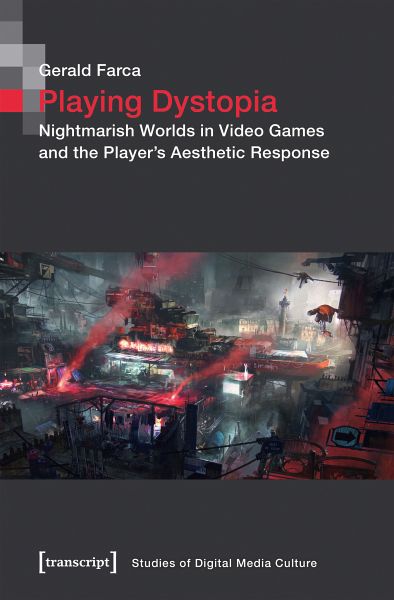
Video games permeate our everyday existence. They immerse players in fascinating gameworlds and exciting experiences, often inviting them in various ways to reflect on the enacted events. Gerald Farca explores the genre of dystopian video games and the player's aesthetic response to their nightmarish gameworlds. Players, he argues, will gradually come to see similarities between the virtual dystopia and their own ¿offline¿ environment, thus learning to stay wary of social and political developments. In his analysis, Farca draws from a variety of research fields, such as literary theory and game studies, combining them into a coherent theory of aesthetic response to dystopian games.
Dieser Download kann aus rechtlichen Gründen nur mit Rechnungsadresse in A, D ausgeliefert werden.