25,95 €
inkl. MwSt.
Sofort per Download lieferbar
13 °P sammeln

Andere Kunden interessierten sich auch für
") The Unwinding of Apartheid: UK-South African Relations, 1986-1990 (eBook, PDF)45,95 €
The Unwinding of Apartheid: UK-South African Relations, 1986-1990 (eBook, PDF)45,95 €") State, Resistance and Change in South Africa (eBook, PDF)30,95 €
State, Resistance and Change in South Africa (eBook, PDF)30,95 €") Ciskei (eBook, PDF)27,95 €
Ciskei (eBook, PDF)27,95 €") South Africa 1906-1961 (eBook, PDF)27,95 €
South Africa 1906-1961 (eBook, PDF)27,95 €") South Africa (eBook, PDF)30,95 €
South Africa (eBook, PDF)30,95 €") South Africa in Crisis (eBook, PDF)30,95 €
South Africa in Crisis (eBook, PDF)30,95 €") A History of South Africa to 1870 (eBook, PDF)33,95 €
A History of South Africa to 1870 (eBook, PDF)33,95 €





Explores issues of political identity and the social changes that ended apartheid in South Africa.
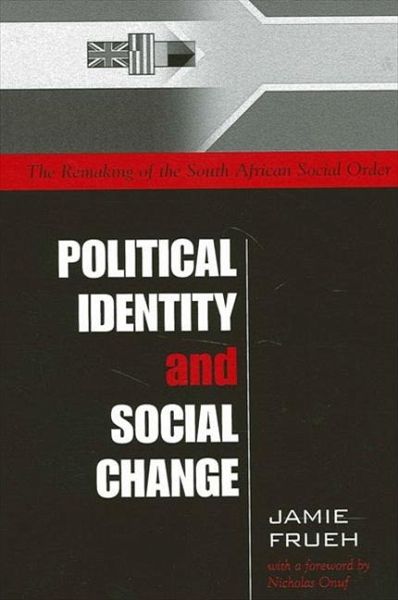
Political Identity and Social Change builds upon the constructivist theory of political identity to explore the social changes that accompanied the end of apartheid in South Africa. To gain a better understanding of how structures of identity changed along with the rest of South Africa's institutions, Frueh analyzes three social and political conflicts: the Soweto uprisings of 1976, the reformist constitutional debates of 1983-1984, and post-apartheid crime. Analyzing these conflicts demonstrates how identity labels function as structures of social discourse, how social activity is organized through these structures, and how both the labels and their power have changed during the course of South Africa's transition. In this way, the book contributes not only to the study of South African society, but also provides lessons about the relationship between identity and social change.
Political Identity and Social Change builds upon the constructivist theory of political identity to explore the social changes that accompanied the end of apartheid in South Africa. To gain a better understanding of how structures of identity changed along with the rest of South Africa's institutions, Frueh analyzes three social and political conflicts: the Soweto uprisings of 1976, the reformist constitutional debates of 1983-1984, and post-apartheid crime. Analyzing these conflicts demonstrates how identity labels function as structures of social discourse, how social activity is organized through these structures, and how both the labels and their power have changed during the course of South Africa's transition. In this way, the book contributes not only to the study of South African society, but also provides lessons about the relationship between identity and social change.
Dieser Download kann aus rechtlichen Gründen nur mit Rechnungsadresse in A, D ausgeliefert werden.