61,95 €
inkl. MwSt.
Sofort per Download lieferbar
31 °P sammeln

Andere Kunden interessierten sich auch für
") Post-9/11 Horror in American Cinema (eBook, PDF)25,95 €
Post-9/11 Horror in American Cinema (eBook, PDF)25,95 €") Gender in Post-9/11 American Apocalyptic TV (eBook, PDF)28,95 €
Gender in Post-9/11 American Apocalyptic TV (eBook, PDF)28,95 €") Representing 9/11 (eBook, PDF)69,95 €
Representing 9/11 (eBook, PDF)69,95 €") Projecting 9/11 (eBook, PDF)62,95 €
Projecting 9/11 (eBook, PDF)62,95 €") Der mediale Umgang mit 9/11 und die Auswirkungen auf den internationalen Film (eBook, PDF)15,99 €
Der mediale Umgang mit 9/11 und die Auswirkungen auf den internationalen Film (eBook, PDF)15,99 €") Hooked in Film (eBook, PDF)89,95 €
Hooked in Film (eBook, PDF)89,95 €") A New History of Japanese Cinema (eBook, PDF)34,95 €
A New History of Japanese Cinema (eBook, PDF)34,95 €



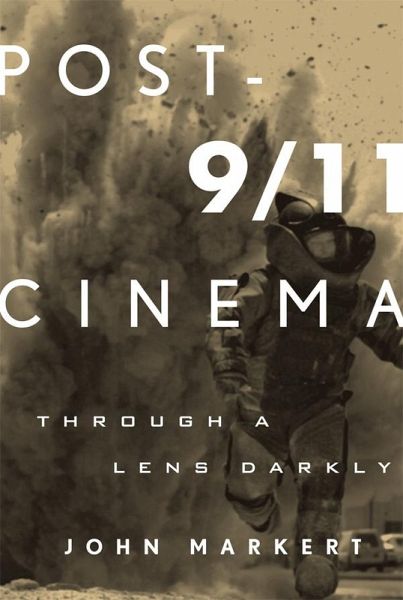
In contemporary society, cinema has become a primary way in which people gain knowledge about events taking place in the world. Films often go beyond news reports by showing in-depth, behind-the-scenes footage, whether in a documentary or recreated in fictional features. More than fleeting scenes of events shown on the nightly news, a film can influence people's feelings about war and what our political leaders should do about it. This has certainly been the case since the attack on 9/11 and the subsequent incursions into Iraq and Afghanistan. In Post-9/11 Cinema: Through a Lens Darkly, John Markert takes a close look at the films depicting these events. Covering cinematic portrayals of 9/11 and the attacks that followed, this book examines both dramas and documentaries that depict what some have termed "Bush's war," as well as rebuttal films, films about terrorist activities, and films seen from the vantage point of journalists and military personnel. Post-9/11 Cinema not only shows how motion pictures reflect societal values but also how such works can influence social attitudes and thus promote change. In addition, Markert appraises the film industry and critiques how images are manipulated to sway the viewer to appreciate the side being advocated. Examining such dramas as The Messenger, Stop-Loss, The Lucky Ones, In the Valley of Elah, and The Hurt Locker, as well as documentaries including Fahrenheit 9/11, Soldiers of Conscience, and Taxi to the Dark Side, Post-9/11 Cinema is a valuable read for professors of media and mass communication, popular culture, and film studies, as well as cultural sociologists.