72,95 €
72,95 €
inkl. MwSt.
Sofort per Download lieferbar

36 °P sammeln
72,95 €
Als Download kaufen
72,95 €
inkl. MwSt.
Sofort per Download lieferbar
36 °P sammeln
Jetzt verschenken
Alle Infos zum eBook verschenken
72,95 €
inkl. MwSt.
Sofort per Download lieferbar
Alle Infos zum eBook verschenken
36 °P sammeln

Andere Kunden interessierten sich auch für
") Postcolonial Satire (eBook, PDF)72,95 €
Postcolonial Satire (eBook, PDF)72,95 €") Language, Style and Variation in Contemporary Indian English Literary Texts (eBook, ePUB)39,95 €
Language, Style and Variation in Contemporary Indian English Literary Texts (eBook, ePUB)39,95 €") Secularism and the Crisis of Minority Identity in Postcolonial Literature (eBook, ePUB)68,95 €
Secularism and the Crisis of Minority Identity in Postcolonial Literature (eBook, ePUB)68,95 €") Mahakavi K. V. Simon (eBook, ePUB)24,95 €
Mahakavi K. V. Simon (eBook, ePUB)24,95 €") Dialogue on Partition (eBook, ePUB)64,95 €
Dialogue on Partition (eBook, ePUB)64,95 €") Kashmir's Necropolis (eBook, ePUB)58,95 €
Kashmir's Necropolis (eBook, ePUB)58,95 €") Contemporary Women's Writing in India (eBook, ePUB)73,95 €
Contemporary Women's Writing in India (eBook, ePUB)73,95 €


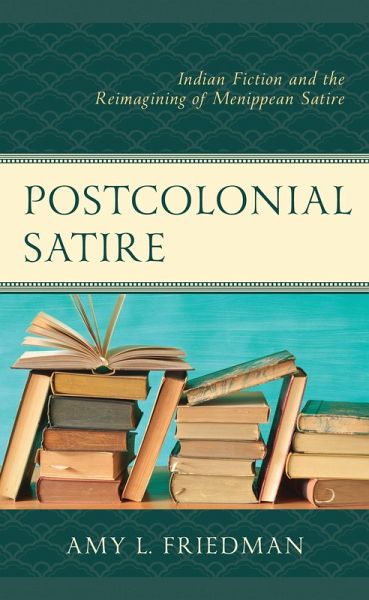
Postcolonial Satire: Indian Fiction and the Reimagining of Menippean Satire positions postcolonial South Asian satiric fiction at the intersection of the cutting-edge territory of political resistance writing and the ancient tradition of Menippean satire. Postcolonial Satire disrupts the relationship between postcolonial literature and magic realism, by discussing the work of writers such as G. V. Desani, Aubrey Menen, Salman Rushdie, and Irwin Allan Sealy as one movement into the entirely subversive realm of satire. Indian fiction, as well as the fiction of other colonized cultures, can be re-construed through the lens of satire as openly critical of a broad spectrum of political and cultural issues. Employing the strengths of postcolonial theory and criticism, Postcolonial Satire expands upon the postcolonial works of these authors by analyzing them as satire, rather than magical realism with satirical elements.