22,95 €
22,95 €
inkl. MwSt.
Sofort per Download lieferbar

11 °P sammeln
22,95 €
Als Download kaufen
22,95 €
inkl. MwSt.
Sofort per Download lieferbar
11 °P sammeln
Jetzt verschenken
Alle Infos zum eBook verschenken
22,95 €
inkl. MwSt.
Sofort per Download lieferbar
Alle Infos zum eBook verschenken
11 °P sammeln

Andere Kunden interessierten sich auch für
") Reading Du Bois (eBook, ePUB)25,95 €
Reading Du Bois (eBook, ePUB)25,95 €") Black Hibiscus (eBook, ePUB)16,95 €
Black Hibiscus (eBook, ePUB)16,95 €") Wanted! A Nation! (eBook, ePUB)25,95 €
Wanted! A Nation! (eBook, ePUB)25,95 €") Too Much to Ask (eBook, ePUB)22,95 €
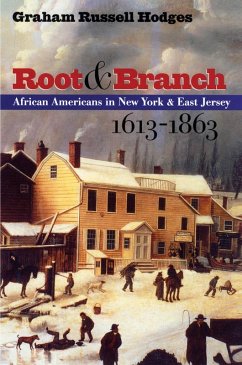
Too Much to Ask (eBook, ePUB)22,95 €") Root and Branch (eBook, ePUB)22,95 €
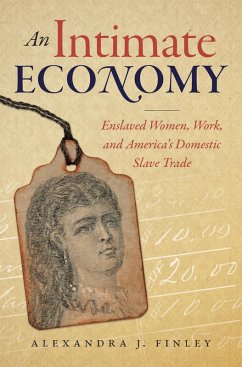
Root and Branch (eBook, ePUB)22,95 €") An Intimate Economy (eBook, ePUB)13,95 €
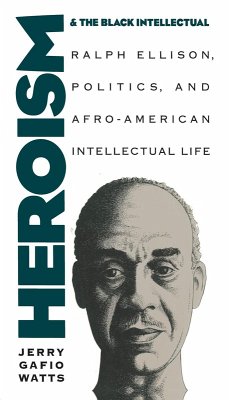
An Intimate Economy (eBook, ePUB)13,95 €") Heroism and the Black Intellectual (eBook, ePUB)22,95 €
Heroism and the Black Intellectual (eBook, ePUB)22,95 €

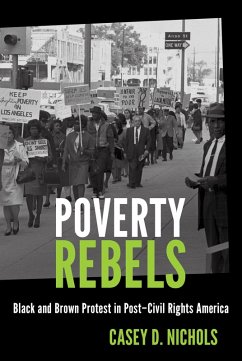
In 1960s Los Angeles, a powerful network within Black and Chicana/o organizations transformed the War on Poverty and Model Cities program. Black and Brown activists worked together and separately to use the US federal government’s War on Poverty as an opportunity to establish programs that would counteract the neglect that led to underfunded schools, inadequate housing, and a lack of community institutions. Casey Nichols examines this diverse group of intentional and unintentional collaborators she calls “poverty rebels,” which included politicians, activists, youth, professionals, community members, and local people. Poverty rebels leveraged federal antipoverty funding to work around the limited capacity of the Civil Rights Act of 1964 to address the dual impact of race and class in African American and Mexican American communities. They understood that unequal policy had created their urban realities and sought to redefine antipoverty legislation in a way that improved their material lives. Drawing on a wide range of sources, including local and federal government documents, oral histories, and organizational records, Nichols examines vital links between the nation’s social and political spheres. Ultimately, she argues that Black-Brown relations gained greater national significance during the mid-1960s amid important civil rights victories and social policies to address so-called disadvantaged communities. By coming into social and political proximity, African Americans and Mexican Americans constructed a national dialogue about Black-Brown relations that had shared benefits, and that continues to shape policy debates today.
Dieser Download kann aus rechtlichen Gründen nur mit Rechnungsadresse in A, D ausgeliefert werden.