Sie sind bereits eingeloggt. Klicken Sie auf 2. tolino select Abo, um fortzufahren.
Bitte loggen Sie sich zunächst in Ihr Kundenkonto ein oder registrieren Sie sich bei bücher.de, um das eBook-Abo tolino select nutzen zu können.
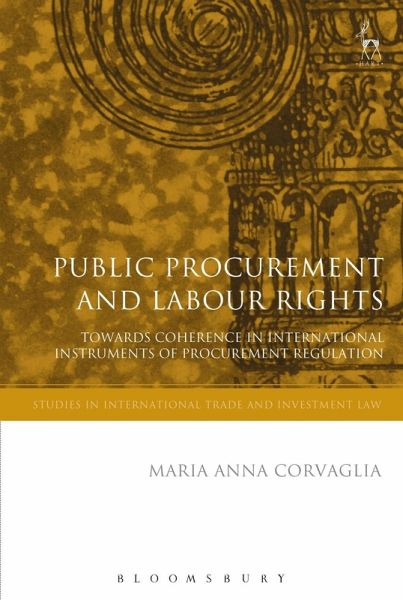
This book investigates patterns of fragmentation and coherence in the international regulatory architecture of public procurement. In the context of the major international instruments of procurement regulation, the book studies the achievement of social and labour policies, the most controversial and problematic instrumental uses of public procurement practices. This work offers an innovative comparative approach, discussing the ways in which the different international instruments-namely the EU Procurement Directives, the WTO Agreement on Government Procurement, the UNCITRAL Model Law and…mehr
This book investigates patterns of fragmentation and coherence in the international regulatory architecture of public procurement. In the context of the major international instruments of procurement regulation, the book studies the achievement of social and labour policies, the most controversial and problematic instrumental uses of public procurement practices. This work offers an innovative comparative approach, discussing the ways in which the different international instruments-namely the EU Procurement Directives, the WTO Agreement on Government Procurement, the UNCITRAL Model Law and the World Bank's Procurement Framework-are able to implement labour and social purposes and, at the same time, ensure a regulatory balance with the principles of efficiency and non-discrimination. Scholarly, rigorous and timely, this will be important reading for international trade lawyers and procurement practitioners.
Die Herstellerinformationen sind derzeit nicht verfügbar.
Autorenporträt
Dr Maria Anna Corvaglia has been Lecturer in Commercial Law at the Leeds School of Law since January 2020, after having served as lecturer for three years at the University of Birmingham. Her research so far has focused on international trade law, the international regulation of public procurement and the protection of socio-environmental concerns in international economic law.
Inhaltsangabe
Introduction I. General Overview II. Premise and Scope of the Study III. Comparative Research Framework and Methodology IV. Structure of the Research 1. International Regulatory Framework of Public Procurement: From Fragmentation to Coherence I. Introduction II. The Challenges of Fragmentation in International Economic Law III. Fragmentation in the International Regulatory Architecture of Public Procurement IV. From Fragmentation to Coherence in the International Framework of Procurement Governance V. Conclusions 2. Unpacking the Use of Public Procurement to Achieve Social and Labour Policies I. Introduction II. Framing the Instrumental Use of Public Procurement for Social and Labour Purposes III. The Social and Labour Dimension of Public Procurement IV. The Procedural Mechanisms Behind the Social and Labour Use of Public Procurement V. Public Procurement and the Challenges of Assuring Social and Labour Policies Along the Supply Chain: The Roles of Social Certifications, Standards and Labels VI. Conclusions 3. The Admissibility of the Inclusion of Social and Labour Rights Under the WTO Procurement Regulatory Framework I. Introduction to the Social Dimension of Public Procurement in the WTO Regulation Framework II. The WTO Institutional Framework for Public Procurement III. The Objective of the GPA: The Principle of Non-Discrimination IV. The Flexibilities in the Revised GPA: Derogations and Exceptions for Discriminatory Procurement Practices V. The GPA Regulation of the Award Procedure VI. Conclusion 4. The EU Public Procurement Framework: The Internal Market and Socially Responsible Procurement I. Introduction to the EU Public Procurement Regime and Social Rights II. The Completion of the EU Internal Market and Fundamental Regulatory Principles III. Internal Market Economic Freedoms and Regulatory Autonomy in Public Procurement Under the EU Treaties IV. The Enforcement of Social and Labour Policies under the 2014 EU Directives on Public Procurement V. Conclusions 5. Social and Labour Considerations in Non-Trade International Instruments of Procurement Regulation I. Non-Trade Instruments of Procurement Regulation: The UNCITRAL Model Law and the World Bank Guidelines II. The UNCITRAL Model Law on Procurement of Goods, Construction and Services III. The World Bank Procurement Framework and the Achievement of Social and Labour Concerns General Conclusions (A) Fragmentation-International Regulatory Instruments with Conflicting Regulatory Objectives (B) Implementation of Social and Labour Policies in the Procurement Process (C) International Legal Framework and the Labour and Social Dimension of Public Procurement
Introduction I. General Overview II. Premise and Scope of the Study III. Comparative Research Framework and Methodology IV. Structure of the Research 1. International Regulatory Framework of Public Procurement: From Fragmentation to Coherence I. Introduction II. The Challenges of Fragmentation in International Economic Law III. Fragmentation in the International Regulatory Architecture of Public Procurement IV. From Fragmentation to Coherence in the International Framework of Procurement Governance V. Conclusions 2. Unpacking the Use of Public Procurement to Achieve Social and Labour Policies I. Introduction II. Framing the Instrumental Use of Public Procurement for Social and Labour Purposes III. The Social and Labour Dimension of Public Procurement IV. The Procedural Mechanisms Behind the Social and Labour Use of Public Procurement V. Public Procurement and the Challenges of Assuring Social and Labour Policies Along the Supply Chain: The Roles of Social Certifications, Standards and Labels VI. Conclusions 3. The Admissibility of the Inclusion of Social and Labour Rights Under the WTO Procurement Regulatory Framework I. Introduction to the Social Dimension of Public Procurement in the WTO Regulation Framework II. The WTO Institutional Framework for Public Procurement III. The Objective of the GPA: The Principle of Non-Discrimination IV. The Flexibilities in the Revised GPA: Derogations and Exceptions for Discriminatory Procurement Practices V. The GPA Regulation of the Award Procedure VI. Conclusion 4. The EU Public Procurement Framework: The Internal Market and Socially Responsible Procurement I. Introduction to the EU Public Procurement Regime and Social Rights II. The Completion of the EU Internal Market and Fundamental Regulatory Principles III. Internal Market Economic Freedoms and Regulatory Autonomy in Public Procurement Under the EU Treaties IV. The Enforcement of Social and Labour Policies under the 2014 EU Directives on Public Procurement V. Conclusions 5. Social and Labour Considerations in Non-Trade International Instruments of Procurement Regulation I. Non-Trade Instruments of Procurement Regulation: The UNCITRAL Model Law and the World Bank Guidelines II. The UNCITRAL Model Law on Procurement of Goods, Construction and Services III. The World Bank Procurement Framework and the Achievement of Social and Labour Concerns General Conclusions (A) Fragmentation-International Regulatory Instruments with Conflicting Regulatory Objectives (B) Implementation of Social and Labour Policies in the Procurement Process (C) International Legal Framework and the Labour and Social Dimension of Public Procurement
Es gelten unsere Allgemeinen Geschäftsbedingungen: www.buecher.de/agb
Impressum
www.buecher.de ist ein Internetauftritt der buecher.de internetstores GmbH
Geschäftsführung: Monica Sawhney | Roland Kölbl | Günter Hilger
Sitz der Gesellschaft: Batheyer Straße 115 - 117, 58099 Hagen
Postanschrift: Bürgermeister-Wegele-Str. 12, 86167 Augsburg
Amtsgericht Hagen HRB 13257
Steuernummer: 321/5800/1497
USt-IdNr: DE450055826