37,95 €
37,95 €
inkl. MwSt.
Sofort per Download lieferbar
19 °P sammeln
37,95 €
Als Download kaufen
37,95 €
inkl. MwSt.
Sofort per Download lieferbar
19 °P sammeln
Jetzt verschenken
Alle Infos zum eBook verschenken
37,95 €
inkl. MwSt.
Sofort per Download lieferbar
Alle Infos zum eBook verschenken
19 °P sammeln
- Format: PDF
- Merkliste
- Auf die Merkliste
- Bewerten Bewerten
- Teilen
- Produkt teilen
- Produkterinnerung
- Produkterinnerung

Bitte loggen Sie sich zunächst in Ihr Kundenkonto ein oder registrieren Sie sich bei
bücher.de, um das eBook-Abo tolino select nutzen zu können.
Hier können Sie sich einloggen
Sie sind bereits eingeloggt. Klicken Sie auf 2. tolino select Abo, um fortzufahren.

Bitte loggen Sie sich zunächst in Ihr Kundenkonto ein oder registrieren Sie sich bei bücher.de, um das eBook-Abo tolino select nutzen zu können.
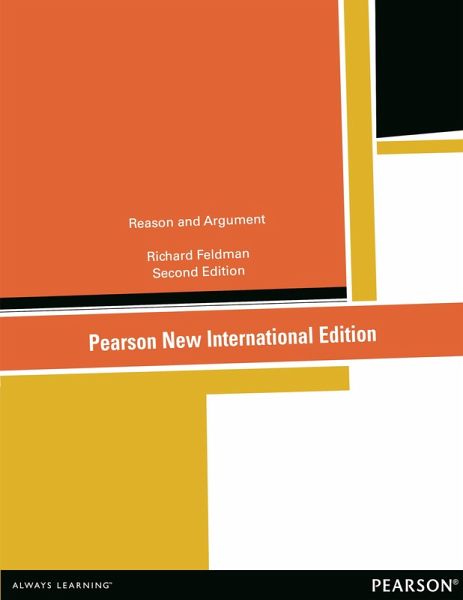
Reason and Argument
- Geräte: PC
- ohne Kopierschutz
- eBook Hilfe
Andere Kunden interessierten sich auch für
Felice CimattiA Biosemiotic Ontology (eBook, PDF)72,95 €
E. K. MooreThe Passions of Rhetoric: Lessing's Theory of Argument and the German Enlightenment (eBook, PDF)72,95 €
Michael WainwrightThe Rational Shakespeare (eBook, PDF)48,95 €
M. BrowneAsking the Right Questions, Global Edition (eBook, PDF)37,95 €
Anthony StewartGeorge Orwell, Doubleness, and the Value of Decency (eBook, PDF)48,95 €
Terence HawkesShakespeare and the Reason (eBook, PDF)45,95 €
David FullerBlake's Heroic Argument (eBook, PDF)43,95 €-
-
-
Reason and Argument
Dieser Download kann aus rechtlichen Gründen nur mit Rechnungsadresse in A, B, BG, CY, CZ, D, DK, EW, E, FIN, F, GR, HR, H, IRL, I, LT, L, LR, M, NL, PL, P, R, S, SLO, SK ausgeliefert werden.
Produktdetails
- Produktdetails
- Verlag: Pearson HigherEducation
- Seitenzahl: 432
- Altersempfehlung: ab 18 Jahre
- Erscheinungstermin: 3. Oktober 2013
- Englisch
- ISBN-13: 9781292052939
- Artikelnr.: 41940076
- Verlag: Pearson HigherEducation
- Seitenzahl: 432
- Altersempfehlung: ab 18 Jahre
- Erscheinungstermin: 3. Oktober 2013
- Englisch
- ISBN-13: 9781292052939
- Artikelnr.: 41940076
- Herstellerkennzeichnung Die Herstellerinformationen sind derzeit nicht verfügbar.
(NOTE: Each chapter concludes with a Summary.)
I. CONCEPTUAL FOUNDATIONS.
1. Introduction.
Arguments. Reason, Rhetoric, and Argument Analysis. The Ways People Deal
with Arguments. Impediments to Good Reasoning.
2. Truth and Rationality.
Uses of Language. Truth and Correspondence to the Facts. Rational Belief.
3. Well-Formed Arguments.
Argument Analysis. Well-Formed Arguments. Validity, Cogency, and the Truth
Value of Premises.
4. Strong Arguments.
Deductive Strength. Inductive Strength.
II. THE METHOD OF ARGUMENT ANALYSIS.
5. Reconstructing Arguments.
Argument Reconstruction and the Principle of Charity. Distinguishing
Arguments from Non-Arguments. Identifying Premises and Conclusions. General
and Specific Premises. Adding Implicit Premises.
6. Details of Argument Reconstruction.
Improper Wording. Missing Premises. Including Unnecessary Premises.
7. Evaluating Arguments.
Basic Rules of Argument Evaluation. Evaluating Specific Types of Premises.
Argument, Analysis and Problems of Meaning.
III. APPLICATIONS.
8. Arguments and Testimony.
The Role of Testimony. Testimonial Arguments. Premises and Testimony.
9. Statistical Arguments and Predictions.
Past to Future Arguments. Simple Statistical Statements. The Standard
Pattern for Survey Arguments. Evaluating Survey Arguments. Correlations.
10. Causal Arguments.
Causal Statements. The Meaning of General Causal Statements. Knowledge of
General Causal Statements. Analyzing Causal Arguments. Common Errors in
Causal Reasoning.
11. Moral Arguments.
Moral Propositions. Morality, Rationality, and Truth. Analyzing Moral
Arguments. Common Problems in Moral Reasoning.
12. Extended Examples.
The Abortion Debate. Mathematical Reasoning Ability.
Appendix A. The Steps of Argument Analysis.
Appendix B. Principles, Definitions, and Patterns of Argument.
Appendix C. Answers to Selected Exercises.
Glossary.
I. CONCEPTUAL FOUNDATIONS.
1. Introduction.
Arguments. Reason, Rhetoric, and Argument Analysis. The Ways People Deal
with Arguments. Impediments to Good Reasoning.
2. Truth and Rationality.
Uses of Language. Truth and Correspondence to the Facts. Rational Belief.
3. Well-Formed Arguments.
Argument Analysis. Well-Formed Arguments. Validity, Cogency, and the Truth
Value of Premises.
4. Strong Arguments.
Deductive Strength. Inductive Strength.
II. THE METHOD OF ARGUMENT ANALYSIS.
5. Reconstructing Arguments.
Argument Reconstruction and the Principle of Charity. Distinguishing
Arguments from Non-Arguments. Identifying Premises and Conclusions. General
and Specific Premises. Adding Implicit Premises.
6. Details of Argument Reconstruction.
Improper Wording. Missing Premises. Including Unnecessary Premises.
7. Evaluating Arguments.
Basic Rules of Argument Evaluation. Evaluating Specific Types of Premises.
Argument, Analysis and Problems of Meaning.
III. APPLICATIONS.
8. Arguments and Testimony.
The Role of Testimony. Testimonial Arguments. Premises and Testimony.
9. Statistical Arguments and Predictions.
Past to Future Arguments. Simple Statistical Statements. The Standard
Pattern for Survey Arguments. Evaluating Survey Arguments. Correlations.
10. Causal Arguments.
Causal Statements. The Meaning of General Causal Statements. Knowledge of
General Causal Statements. Analyzing Causal Arguments. Common Errors in
Causal Reasoning.
11. Moral Arguments.
Moral Propositions. Morality, Rationality, and Truth. Analyzing Moral
Arguments. Common Problems in Moral Reasoning.
12. Extended Examples.
The Abortion Debate. Mathematical Reasoning Ability.
Appendix A. The Steps of Argument Analysis.
Appendix B. Principles, Definitions, and Patterns of Argument.
Appendix C. Answers to Selected Exercises.
Glossary.
(NOTE: Each chapter concludes with a Summary.)
I. CONCEPTUAL FOUNDATIONS.
1. Introduction.
Arguments. Reason, Rhetoric, and Argument Analysis. The Ways People Deal
with Arguments. Impediments to Good Reasoning.
2. Truth and Rationality.
Uses of Language. Truth and Correspondence to the Facts. Rational Belief.
3. Well-Formed Arguments.
Argument Analysis. Well-Formed Arguments. Validity, Cogency, and the Truth
Value of Premises.
4. Strong Arguments.
Deductive Strength. Inductive Strength.
II. THE METHOD OF ARGUMENT ANALYSIS.
5. Reconstructing Arguments.
Argument Reconstruction and the Principle of Charity. Distinguishing
Arguments from Non-Arguments. Identifying Premises and Conclusions. General
and Specific Premises. Adding Implicit Premises.
6. Details of Argument Reconstruction.
Improper Wording. Missing Premises. Including Unnecessary Premises.
7. Evaluating Arguments.
Basic Rules of Argument Evaluation. Evaluating Specific Types of Premises.
Argument, Analysis and Problems of Meaning.
III. APPLICATIONS.
8. Arguments and Testimony.
The Role of Testimony. Testimonial Arguments. Premises and Testimony.
9. Statistical Arguments and Predictions.
Past to Future Arguments. Simple Statistical Statements. The Standard
Pattern for Survey Arguments. Evaluating Survey Arguments. Correlations.
10. Causal Arguments.
Causal Statements. The Meaning of General Causal Statements. Knowledge of
General Causal Statements. Analyzing Causal Arguments. Common Errors in
Causal Reasoning.
11. Moral Arguments.
Moral Propositions. Morality, Rationality, and Truth. Analyzing Moral
Arguments. Common Problems in Moral Reasoning.
12. Extended Examples.
The Abortion Debate. Mathematical Reasoning Ability.
Appendix A. The Steps of Argument Analysis.
Appendix B. Principles, Definitions, and Patterns of Argument.
Appendix C. Answers to Selected Exercises.
Glossary.
I. CONCEPTUAL FOUNDATIONS.
1. Introduction.
Arguments. Reason, Rhetoric, and Argument Analysis. The Ways People Deal
with Arguments. Impediments to Good Reasoning.
2. Truth and Rationality.
Uses of Language. Truth and Correspondence to the Facts. Rational Belief.
3. Well-Formed Arguments.
Argument Analysis. Well-Formed Arguments. Validity, Cogency, and the Truth
Value of Premises.
4. Strong Arguments.
Deductive Strength. Inductive Strength.
II. THE METHOD OF ARGUMENT ANALYSIS.
5. Reconstructing Arguments.
Argument Reconstruction and the Principle of Charity. Distinguishing
Arguments from Non-Arguments. Identifying Premises and Conclusions. General
and Specific Premises. Adding Implicit Premises.
6. Details of Argument Reconstruction.
Improper Wording. Missing Premises. Including Unnecessary Premises.
7. Evaluating Arguments.
Basic Rules of Argument Evaluation. Evaluating Specific Types of Premises.
Argument, Analysis and Problems of Meaning.
III. APPLICATIONS.
8. Arguments and Testimony.
The Role of Testimony. Testimonial Arguments. Premises and Testimony.
9. Statistical Arguments and Predictions.
Past to Future Arguments. Simple Statistical Statements. The Standard
Pattern for Survey Arguments. Evaluating Survey Arguments. Correlations.
10. Causal Arguments.
Causal Statements. The Meaning of General Causal Statements. Knowledge of
General Causal Statements. Analyzing Causal Arguments. Common Errors in
Causal Reasoning.
11. Moral Arguments.
Moral Propositions. Morality, Rationality, and Truth. Analyzing Moral
Arguments. Common Problems in Moral Reasoning.
12. Extended Examples.
The Abortion Debate. Mathematical Reasoning Ability.
Appendix A. The Steps of Argument Analysis.
Appendix B. Principles, Definitions, and Patterns of Argument.
Appendix C. Answers to Selected Exercises.
Glossary.