36,95 €
inkl. MwSt.
Sofort per Download lieferbar
18 °P sammeln

Andere Kunden interessierten sich auch für
") Livable Intersections (eBook, ePUB)31,95 €
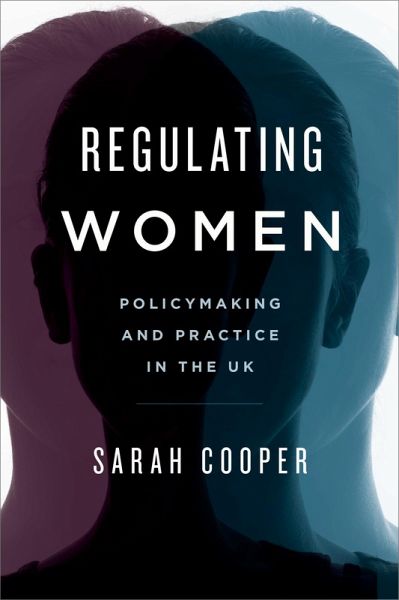
Livable Intersections (eBook, ePUB)31,95 €") Regulating Women (eBook, PDF)36,95 €
Regulating Women (eBook, PDF)36,95 €") For Public Service (eBook, ePUB)40,95 €
For Public Service (eBook, ePUB)40,95 €") Sexuality, Human Rights, and Public Policy (eBook, ePUB)28,95 €
Sexuality, Human Rights, and Public Policy (eBook, ePUB)28,95 €") Regulating Next Generation Agri-Food Biotechnologies (eBook, ePUB)55,95 €
Regulating Next Generation Agri-Food Biotechnologies (eBook, ePUB)55,95 €") From Gulag to Guantanamo (eBook, ePUB)31,95 €
From Gulag to Guantanamo (eBook, ePUB)31,95 €") Women, Power, and Rape Culture (eBook, ePUB)24,95 €
Women, Power, and Rape Culture (eBook, ePUB)24,95 €





A number of women's issues serve to create novel policy problems that require creative, and sometimes unique, regulatory and legal responses. This book embarks upon a comparative case study approach to explore UK policymaking in the areas of abortion, rape, prostitution and pornography in turn. Each chapter engages a different institutional perspective to explore the influence of a range of bodies such as the legal system, medical profession, civil society, police force and mass media. The analysis reveals a common thread that runs throughout decision-making in these areas; a constant balancing act between regulation that purports to protect women, and regulation that supposedly reflects female liberation, with a continual dance between the labels of 'criminal' and 'victim' being performed by policy actors.
Largely reflective of a dogmatic approach to the status of women, it is argued that different institutions retain strongholds over policymaking in these domains, prohibiting a joined-up approach. This has served to perpetuate harmful and negative stereotyping of women's issues and create countless conundrums when the activities of women fall into more than one policy category.
Largely reflective of a dogmatic approach to the status of women, it is argued that different institutions retain strongholds over policymaking in these domains, prohibiting a joined-up approach. This has served to perpetuate harmful and negative stereotyping of women's issues and create countless conundrums when the activities of women fall into more than one policy category.