42,95 €
42,95 €
inkl. MwSt.
Sofort per Download lieferbar

21 °P sammeln
42,95 €
Als Download kaufen
42,95 €
inkl. MwSt.
Sofort per Download lieferbar
21 °P sammeln
Jetzt verschenken
Alle Infos zum eBook verschenken
42,95 €
inkl. MwSt.
Sofort per Download lieferbar
Alle Infos zum eBook verschenken
21 °P sammeln

Andere Kunden interessierten sich auch für
") Religious Authorities and Practices of Conflict Resolution (eBook, ePUB)42,95 €
Religious Authorities and Practices of Conflict Resolution (eBook, ePUB)42,95 €") The Challenge of Enlightenment, Conflict Transformation and Peace in Pakistan (eBook, PDF)42,95 €
The Challenge of Enlightenment, Conflict Transformation and Peace in Pakistan (eBook, PDF)42,95 €") Paul Tillich and Religious Socialism (eBook, PDF)64,95 €
Paul Tillich and Religious Socialism (eBook, PDF)64,95 €") Moral Reflections on Foreign Policy in a Religious War (eBook, PDF)34,95 €
Moral Reflections on Foreign Policy in a Religious War (eBook, PDF)34,95 €") The Future of Christian Realism (eBook, PDF)77,95 €
The Future of Christian Realism (eBook, PDF)77,95 €") The Hong Kong Protests and Political Theology (eBook, PDF)30,95 €
The Hong Kong Protests and Political Theology (eBook, PDF)30,95 €") Person-Centered Politics (eBook, PDF)21,95 €
Person-Centered Politics (eBook, PDF)21,95 €







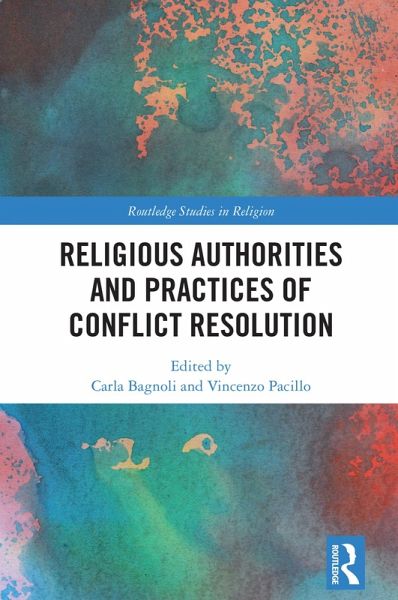
Religious diversity raises challenges that reverberate at multiple social and political levels. Religious institutions are sources of authoritative claims for believers. They play a crucial role in the articulation and negotiation of domestic conflicts within multicultural societies as well as at the international level. Religious Authorities and Practices of Conflict Resolution asks the following important questions: how is interfaith dialogue to be conceived and structured? Is such a dialogue even possible if each religious group is entitled to claim decisive and exclusive authority?
The challenge is to explicate how religious authority is compatible with the principle of equal normative standing that is at the core of modern ethics and democracy and is capable of grounding shared action toward peace. This volume proposes that the challenge be addressed by taking a transdisciplinary approach, which appropriates resources and methods from different perspectives in philosophy, sociology, economics, and law. By integrating perspectives from philosophy, sociology, economics, and law, the book provides a holistic understanding of how religious authority can influence conflict resolution.
The challenge is to explicate how religious authority is compatible with the principle of equal normative standing that is at the core of modern ethics and democracy and is capable of grounding shared action toward peace. This volume proposes that the challenge be addressed by taking a transdisciplinary approach, which appropriates resources and methods from different perspectives in philosophy, sociology, economics, and law. By integrating perspectives from philosophy, sociology, economics, and law, the book provides a holistic understanding of how religious authority can influence conflict resolution.
Dieser Download kann aus rechtlichen Gründen nur mit Rechnungsadresse in A, B, BG, CY, CZ, D, DK, EW, E, FIN, F, GR, HR, H, IRL, I, LT, L, LR, M, NL, PL, P, R, S, SLO, SK ausgeliefert werden.