15,95 €
inkl. MwSt.
Sofort per Download lieferbar
8 °P sammeln

Andere Kunden interessierten sich auch für
") The Political Languages of Emancipation in the British Caribbean and the U.S. South (eBook, ePUB)22,95 €
The Political Languages of Emancipation in the British Caribbean and the U.S. South (eBook, ePUB)22,95 €") Sugar, Slavery, and Freedom in Nineteenth-Century Puerto Rico (eBook, ePUB)15,95 €
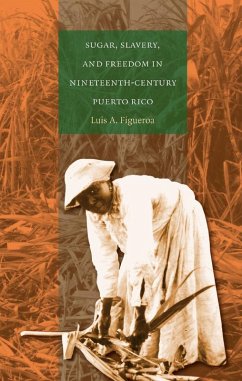
Sugar, Slavery, and Freedom in Nineteenth-Century Puerto Rico (eBook, ePUB)15,95 €") The Experiential Caribbean (eBook, ePUB)15,95 €
The Experiential Caribbean (eBook, ePUB)15,95 €") The Modern Caribbean (eBook, ePUB)22,95 €
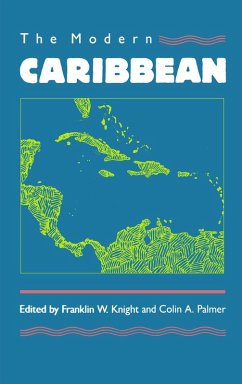
The Modern Caribbean (eBook, ePUB)22,95 €") The Caribbean (eBook, ePUB)6,99 €
The Caribbean (eBook, ePUB)6,99 €") The Indian Caribbean (eBook, ePUB)16,95 €
The Indian Caribbean (eBook, ePUB)16,95 €") Caribbean Masala (eBook, ePUB)16,95 €
Caribbean Masala (eBook, ePUB)16,95 €



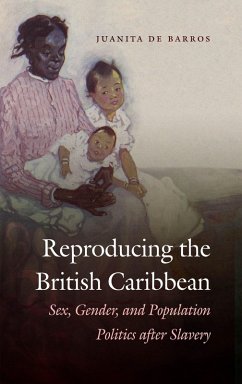
This innovative book traces the history of ideas and policymaking concerning population growth and infant and maternal welfare in Caribbean colonies wrestling with the aftermath of slavery. Focusing on Jamaica, Guyana, and Barbados from the nineteenth century through the 1930s, when violent labor protests swept the region, Juanita De Barros takes a comparative approach in analyzing the struggles among former slaves and masters attempting to determine the course of their societies after emancipation.
Invested in the success of the "great experiment" of slave emancipation, colonial officials developed new social welfare and health policies. Concerns about the health and size of ex-slave populations were expressed throughout the colonial world during this period. In the Caribbean, an emergent black middle class, rapidly increasing immigration, and new attitudes toward medicine and society were crucial factors. While hemispheric and diasporic trends influenced the new policies, De Barros shows that local physicians, philanthropists, midwives, and the impoverished mothers who were the targets of this official concern helped shape and implement efforts to ensure the health and reproduction of Caribbean populations in the decades before independence.
Invested in the success of the "great experiment" of slave emancipation, colonial officials developed new social welfare and health policies. Concerns about the health and size of ex-slave populations were expressed throughout the colonial world during this period. In the Caribbean, an emergent black middle class, rapidly increasing immigration, and new attitudes toward medicine and society were crucial factors. While hemispheric and diasporic trends influenced the new policies, De Barros shows that local physicians, philanthropists, midwives, and the impoverished mothers who were the targets of this official concern helped shape and implement efforts to ensure the health and reproduction of Caribbean populations in the decades before independence.
Dieser Download kann aus rechtlichen Gründen nur mit Rechnungsadresse in A, D ausgeliefert werden.