152,95 €
152,95 €
inkl. MwSt.
Sofort per Download lieferbar

76 °P sammeln
152,95 €
Als Download kaufen
152,95 €
inkl. MwSt.
Sofort per Download lieferbar
76 °P sammeln
Jetzt verschenken
Alle Infos zum eBook verschenken
152,95 €
inkl. MwSt.
Sofort per Download lieferbar
Alle Infos zum eBook verschenken
76 °P sammeln

Andere Kunden interessierten sich auch für
") Production Technology of Underutilized Vegetable Crops (eBook, PDF)128,95 €
Production Technology of Underutilized Vegetable Crops (eBook, PDF)128,95 €") Agri-food and Forestry Sectors for Sustainable Development (eBook, PDF)88,95 €
Agri-food and Forestry Sectors for Sustainable Development (eBook, PDF)88,95 €") Agriculture Sector Transformation in Nepal (eBook, PDF)128,95 €
Agriculture Sector Transformation in Nepal (eBook, PDF)128,95 €") The Food Security, Biodiversity, and Climate Nexus (eBook, PDF)72,95 €
The Food Security, Biodiversity, and Climate Nexus (eBook, PDF)72,95 €") Agriculture, Food and Nutrition Security (eBook, PDF)104,95 €
Agriculture, Food and Nutrition Security (eBook, PDF)104,95 €") Sustainable Agriculture (eBook, PDF)120,95 €
Sustainable Agriculture (eBook, PDF)120,95 €") Agriculture, Livestock Production and Aquaculture (eBook, PDF)120,95 €
Agriculture, Livestock Production and Aquaculture (eBook, PDF)120,95 €
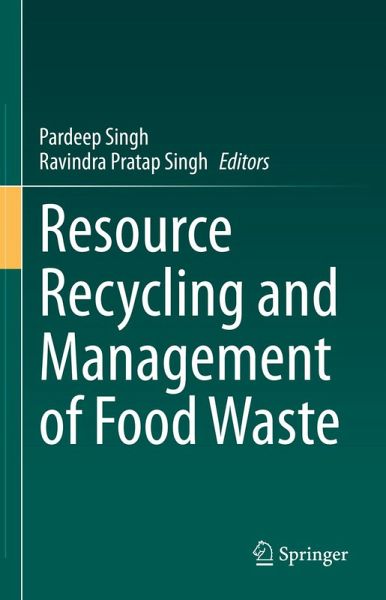
This book discusses the sustainable management and conversion of food waste into various resources through biological resource recovery techniques. An overview is given of the present challenges facing food waste management, why food waste reduction in general is a pressing issue, and the current treatment methods for food waste to minimize adverse environmental and human health impacts. The majority of the chapters then discuss sustainable methods for converting food waste into resources such as fermentation, vermicomposting, nutrient recycling, pyrolysis, biochar, and microbial decomposition, with the goal of sustainably producing biogas, fertilizer, animal feed, and other resources. The primary audience of the book is researchers working in the field of waste management. It will also interest NGOs, industrial engineers, and policymakers looking for methods to prevent and manage food waste.
Dieser Download kann aus rechtlichen Gründen nur mit Rechnungsadresse in A, B, BG, CY, CZ, D, DK, EW, E, FIN, F, GR, HR, H, IRL, I, LT, L, LR, M, NL, PL, P, R, S, SLO, SK ausgeliefert werden.