42,95 €
42,95 €
inkl. MwSt.
Sofort per Download lieferbar

21 °P sammeln
42,95 €
Als Download kaufen
42,95 €
inkl. MwSt.
Sofort per Download lieferbar
21 °P sammeln
Jetzt verschenken
Alle Infos zum eBook verschenken
42,95 €
inkl. MwSt.
Sofort per Download lieferbar
Alle Infos zum eBook verschenken
21 °P sammeln

Andere Kunden interessierten sich auch für
") Restitution of Cultural Property and the Law (eBook, ePUB)42,95 €
Restitution of Cultural Property and the Law (eBook, ePUB)42,95 €") Intellectual and Cultural Property (eBook, ePUB)41,95 €
Intellectual and Cultural Property (eBook, ePUB)41,95 €") Restoring the Law of Restitution of Cultural Property (eBook, PDF)42,95 €
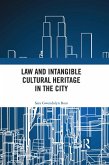
Restoring the Law of Restitution of Cultural Property (eBook, PDF)42,95 €") Law and Intangible Cultural Heritage in the City (eBook, ePUB)40,95 €
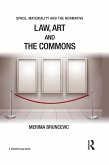
Law and Intangible Cultural Heritage in the City (eBook, ePUB)40,95 €") Law, Art and the Commons (eBook, ePUB)45,95 €
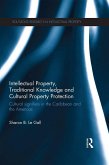
Law, Art and the Commons (eBook, ePUB)45,95 €") Intellectual Property, Traditional Knowledge and Cultural Property Protection (eBook, ePUB)49,95 €
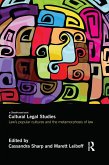
Intellectual Property, Traditional Knowledge and Cultural Property Protection (eBook, ePUB)49,95 €") Cultural Legal Studies (eBook, ePUB)49,95 €
Cultural Legal Studies (eBook, ePUB)49,95 €
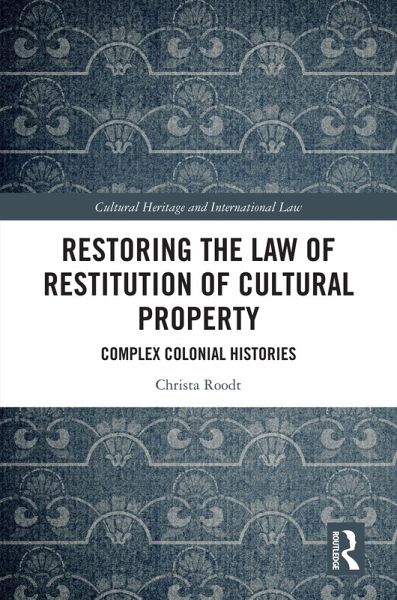
This groundbreaking book covers the restoration of the law of restitution of cultural property, matching the time, space, and depth dimensions of the law with the time, space, and ontology of events that violated persons and desecrated their heritage in the colonial era.
Using the contested ownership of the Parthenon Sculptures and the Zhanggong Zushi mummy encased in a Buddha statue as the main points of orientation, the book shows how the law of restitution could be 'defragmented' and 'restored' in respect of claims for the return of colonial-era and Indigenous cultural property disputes. The study argues that the secondary legal norms and common arguments of Private International Law can unlock governance functions and strategies that counter the effects of the narrow definition of the 'sacred' and the consistent refusal to consider an alternative chronosophy in restitution claims. When called upon to resist the detrimental effects of the mimetic dynamic in complex colonial contexts, the law stands to benefit from a legal-theoretical perspective that views law in relation to ethics and considers Private International Law, a model of ethics.
The book will be of interest to researchers in the field of cultural property law, heritage studies, Indigenous law, provenance, and applied ethics.
Using the contested ownership of the Parthenon Sculptures and the Zhanggong Zushi mummy encased in a Buddha statue as the main points of orientation, the book shows how the law of restitution could be 'defragmented' and 'restored' in respect of claims for the return of colonial-era and Indigenous cultural property disputes. The study argues that the secondary legal norms and common arguments of Private International Law can unlock governance functions and strategies that counter the effects of the narrow definition of the 'sacred' and the consistent refusal to consider an alternative chronosophy in restitution claims. When called upon to resist the detrimental effects of the mimetic dynamic in complex colonial contexts, the law stands to benefit from a legal-theoretical perspective that views law in relation to ethics and considers Private International Law, a model of ethics.
The book will be of interest to researchers in the field of cultural property law, heritage studies, Indigenous law, provenance, and applied ethics.
Dieser Download kann aus rechtlichen Gründen nur mit Rechnungsadresse in A, B, BG, CY, CZ, D, DK, EW, E, FIN, F, GR, HR, H, IRL, I, LT, L, LR, M, NL, PL, P, R, S, SLO, SK ausgeliefert werden.