Sie sind bereits eingeloggt. Klicken Sie auf 2. tolino select Abo, um fortzufahren.
Bitte loggen Sie sich zunächst in Ihr Kundenkonto ein oder registrieren Sie sich bei bücher.de, um das eBook-Abo tolino select nutzen zu können.
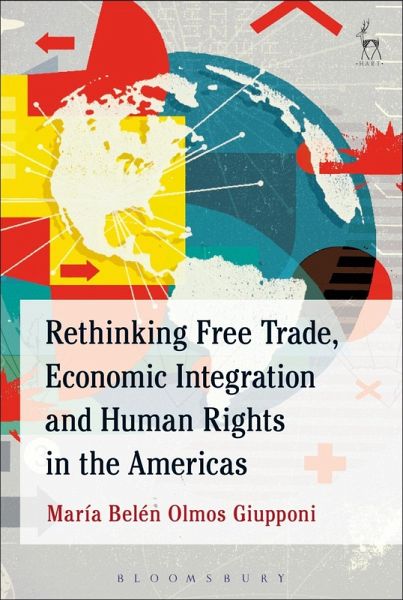
This monograph offers the first systematic overview of the protection of human rights in trade agreements in the Americas. Traditionally, trade agreements in the Americas were concerned with economic questions and paid little attention to human rights. However, in the wake of the 'new regionalism', which emerged at the end of the last century, more clauses addressing social issues such as labour rights and environmental standards were inserted in trade agreements. As economic integration increased, a framework for the protection of human rights evolved. This book argues that this framework…mehr
This monograph offers the first systematic overview of the protection of human rights in trade agreements in the Americas. Traditionally, trade agreements in the Americas were concerned with economic questions and paid little attention to human rights. However, in the wake of the 'new regionalism', which emerged at the end of the last century, more clauses addressing social issues such as labour rights and environmental standards were inserted in trade agreements. As economic integration increased, a framework for the protection of human rights evolved. This book argues that this framework allows for human rights protection on a transnational level, while constructing regional identities. Looking at the four key regional integration processes, namely the Caribbean Community, the Central American Integration System, the Andean Community of Nations and the Southern Common Market, and also at the North American Free Trade Agreement, it shows how the integration process has reached a considerable degree of consolidation. Writing on key sources in English for the first time, this book will be essential reading for all free trade and human rights scholars.
Die Herstellerinformationen sind derzeit nicht verfügbar.
Autorenporträt
María Belén Olmos Giupponi is a Senior Lecturer in Law at Liverpool Hope University.
Inhaltsangabe
1. Free Trade and Protection of Human Rights in the Americas I. Introduction II. Historical Overview of Integration in Latin America and the Caribbean III. Free Trade Agreements and Integration in the Americas: The Current Scenario IV. Making Free Trade Agreements More 'Human Rights-Friendly' V. Trade and Development in the Americas: Balancing Trade and the Protection of Human Rights VI. Principles Governing the Recognition and Protection of Human Rights in the Integration Agreements VII. The Social Dimension and the Protection of Human Rights in the Integration Process in Latin America and the Caribbean 2. The North American Free Trade Agreement (NAFTA) and The Protection of Human Rights I. Introduction II. NAFTA as an 'asymmetric trade agreement' III. Human rights: environmental protection IV. NAFTA Environmental and Labour Side Agreements V. NAFTA and migration VI. Perspectives of NAFTA regarding the protection of human rights 3. The Protection of Human Rights in the Caribbean Community (CARICOM) I. Introduction II. Evolution and instruments on human rights adopted within CARICOM III. The protection of economic, social and cultural rights within CARICOM IV. The recognition of the right to freedom of movement and the creation of the 'Caribbean citizenship' V. The institutions of the Caribbean Community and the protection of human rights VI. Assessing the implementation of the CARICOM human rights provisions in practice 4. The Protection of Human Rights within the Central American Integration System (SICA) I. Introduction II. The Main Features of the Central American Integration Process and the Issues Relating to Human Rights III. The Gradual Adoption of Legal Instruments Relating to the Protection of Human Rights IV. The Central American Social Dimension and the Safeguarding of Human Rights V. The Hierarchy of the Legal Instruments on the Protection of Human Rights VI. The Gradual Emergence of a 'Central American Citizenship' VII. The Institutions of the Central American Integration System and the Protection of Human Rights VIII. Challenges for the Protection of Human Rights in SICA 5. The Andean Community and the Protection of Human Rights I. Introduction II. Characteristics of Andean Integration Linked to Protection of Human Rights III. Andean Social Integration and the Safeguarding of Economic, Social and Cultural Rights IV. The Status of Elements of Human Rights Recognition and Protection in the Andean Area: Andean Regulations and Human Rights V. The Progressive Construction of the 'Andean Citizenship' from a Human Rights Perspective VI. Challenges for the Andean Community Concerning the Protection of Human Rights 6. The Common Market of the South (MERCOSUR) and the Protection of Human Rights I. Introduction II. Step-by-Step: The Creation of a MERCOSUR 'Human Rights System' III. The Role of MERCOSUR Bodies in the Promotion and Protection of Human Rights IV. The Social Dimension in MERCOSUR and its Contribution to the Protection of Human Rights V. An Appraisal of the Implementation of MERCOSUR Legal Instruments VI. The Actors of the Social Dimension in MERCOSUR and Human Rights Issues VII. New Perspectives of the Social Dimension of MERCOSUR: The Consolidation of a 'MERCOSUR Citizenship' VIII. UNASUR and the Protection of Human Rights IX. Challenges for the Protection of Human Rights in MERCOSUR 7. Conclusions I. Regional Integration and Human Rights in the Americas: Accomplishments and Challenges
1. Free Trade and Protection of Human Rights in the Americas I. Introduction II. Historical Overview of Integration in Latin America and the Caribbean III. Free Trade Agreements and Integration in the Americas: The Current Scenario IV. Making Free Trade Agreements More 'Human Rights-Friendly' V. Trade and Development in the Americas: Balancing Trade and the Protection of Human Rights VI. Principles Governing the Recognition and Protection of Human Rights in the Integration Agreements VII. The Social Dimension and the Protection of Human Rights in the Integration Process in Latin America and the Caribbean 2. The North American Free Trade Agreement (NAFTA) and The Protection of Human Rights I. Introduction II. NAFTA as an 'asymmetric trade agreement' III. Human rights: environmental protection IV. NAFTA Environmental and Labour Side Agreements V. NAFTA and migration VI. Perspectives of NAFTA regarding the protection of human rights 3. The Protection of Human Rights in the Caribbean Community (CARICOM) I. Introduction II. Evolution and instruments on human rights adopted within CARICOM III. The protection of economic, social and cultural rights within CARICOM IV. The recognition of the right to freedom of movement and the creation of the 'Caribbean citizenship' V. The institutions of the Caribbean Community and the protection of human rights VI. Assessing the implementation of the CARICOM human rights provisions in practice 4. The Protection of Human Rights within the Central American Integration System (SICA) I. Introduction II. The Main Features of the Central American Integration Process and the Issues Relating to Human Rights III. The Gradual Adoption of Legal Instruments Relating to the Protection of Human Rights IV. The Central American Social Dimension and the Safeguarding of Human Rights V. The Hierarchy of the Legal Instruments on the Protection of Human Rights VI. The Gradual Emergence of a 'Central American Citizenship' VII. The Institutions of the Central American Integration System and the Protection of Human Rights VIII. Challenges for the Protection of Human Rights in SICA 5. The Andean Community and the Protection of Human Rights I. Introduction II. Characteristics of Andean Integration Linked to Protection of Human Rights III. Andean Social Integration and the Safeguarding of Economic, Social and Cultural Rights IV. The Status of Elements of Human Rights Recognition and Protection in the Andean Area: Andean Regulations and Human Rights V. The Progressive Construction of the 'Andean Citizenship' from a Human Rights Perspective VI. Challenges for the Andean Community Concerning the Protection of Human Rights 6. The Common Market of the South (MERCOSUR) and the Protection of Human Rights I. Introduction II. Step-by-Step: The Creation of a MERCOSUR 'Human Rights System' III. The Role of MERCOSUR Bodies in the Promotion and Protection of Human Rights IV. The Social Dimension in MERCOSUR and its Contribution to the Protection of Human Rights V. An Appraisal of the Implementation of MERCOSUR Legal Instruments VI. The Actors of the Social Dimension in MERCOSUR and Human Rights Issues VII. New Perspectives of the Social Dimension of MERCOSUR: The Consolidation of a 'MERCOSUR Citizenship' VIII. UNASUR and the Protection of Human Rights IX. Challenges for the Protection of Human Rights in MERCOSUR 7. Conclusions I. Regional Integration and Human Rights in the Americas: Accomplishments and Challenges
Es gelten unsere Allgemeinen Geschäftsbedingungen: www.buecher.de/agb
Impressum
www.buecher.de ist ein Internetauftritt der buecher.de internetstores GmbH
Geschäftsführung: Monica Sawhney | Roland Kölbl | Günter Hilger
Sitz der Gesellschaft: Batheyer Straße 115 - 117, 58099 Hagen
Postanschrift: Bürgermeister-Wegele-Str. 12, 86167 Augsburg
Amtsgericht Hagen HRB 13257
Steuernummer: 321/5800/1497
USt-IdNr: DE450055826