66,95 €
66,95 €
inkl. MwSt.
Sofort per Download lieferbar

33 °P sammeln
66,95 €
Als Download kaufen
66,95 €
inkl. MwSt.
Sofort per Download lieferbar
33 °P sammeln
Jetzt verschenken
Alle Infos zum eBook verschenken
66,95 €
inkl. MwSt.
Sofort per Download lieferbar
Alle Infos zum eBook verschenken
33 °P sammeln

Andere Kunden interessierten sich auch für
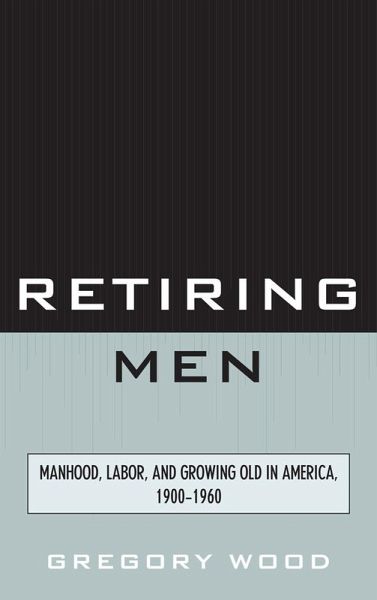
") Retiring Men (eBook, ePUB)66,95 €
Retiring Men (eBook, ePUB)66,95 €") On Art, Labor, and Religion (eBook, PDF)45,95 €
On Art, Labor, and Religion (eBook, PDF)45,95 €") Gendered Work in Asian Cities (eBook, PDF)51,95 €
Gendered Work in Asian Cities (eBook, PDF)51,95 €") Through Our Eyes (eBook, PDF)37,95 €
Through Our Eyes (eBook, PDF)37,95 €") Work Under Capitalism (eBook, PDF)41,95 €
Work Under Capitalism (eBook, PDF)41,95 €") The Sociology of Hypocrisy (eBook, PDF)41,95 €
The Sociology of Hypocrisy (eBook, PDF)41,95 €") Comparable Worth (eBook, PDF)45,95 €
Comparable Worth (eBook, PDF)45,95 €






As life spans expanded dramatically in the United States after 1900, and employers increasingly demanded the speed and stamina of youth in the workplace, men struggled to sustain identities as workers, breadwinners, and patriarchs-the core ideals of twentieth-century masculinity. Longer life threatened manhood as men confronted age discrimination at work, mandatory retirement, and fixed incomes as recipients of Social Security and workplace pensions. They struggled to somehow sustain manliness in retirement, a new phase of life supposedly defined by the absence of labor. Ironically, retiring men pursued ways to stay "productive": retirees created new daily routines of golf and shuffleboard games, tinkered with tools in garages, attended social club meetings, armed themselves for hunting and fishing excursions, and threw themselves into yard work. Others looked for new jobs or business ventures. Only unending activity could help to ensure that the "golden years" would be good years for older men of the twentieth century.