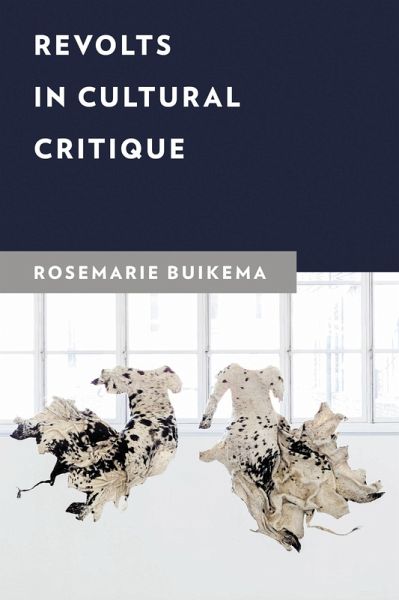
25,95 €
inkl. MwSt.
Sofort per Download lieferbar
13 °P sammeln

Andere Kunden interessierten sich auch für
") Revolts in Cultural Critique (eBook, PDF)25,95 €
Revolts in Cultural Critique (eBook, PDF)25,95 €") The Routledge Companion to Contemporary Art, Visual Culture, and Climate Change (eBook, ePUB)44,95 €
The Routledge Companion to Contemporary Art, Visual Culture, and Climate Change (eBook, ePUB)44,95 €") Creative Presence (eBook, ePUB)29,95 €
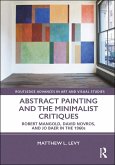
Creative Presence (eBook, ePUB)29,95 €") Abstract Painting and the Minimalist Critiques (eBook, ePUB)42,95 €
Abstract Painting and the Minimalist Critiques (eBook, ePUB)42,95 €") Losing Your Head (eBook, ePUB)50,95 €
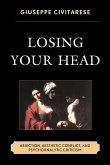
Losing Your Head (eBook, ePUB)50,95 €") Theory for Art History (eBook, ePUB)31,95 €
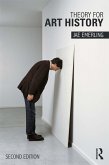
Theory for Art History (eBook, ePUB)31,95 €") Benjamin and Adorno on Art and Art Criticism (eBook, ePUB)42,95 €
Benjamin and Adorno on Art and Art Criticism (eBook, ePUB)42,95 €

Centered around the relationship between art and political transformation. From Charlottë Bronte and Virginia Woolf, to Marlene van Niekerk and William Kentridge, artists and intellectuals have tried to address the question: How to deal with the legacy of exclusion and oppression? Via substantive works of art, this book examines some of the answers that have emerged to this question, to show how art can put into motion something new and how it can transform social and cultural relations in a sustainable way. In this way, art can function as an effective form of cultural critique. In the course of this book, a range of artworks are examined, through a postcolonial and feminist lens, in which revolt-both as a theme and as a medium-specific technique or/as critique -is made visible. Time and time again, revolt takes the form of a slow and thorough working through of the position of the individual in relation to her history and her contemporary geopolitical circumstances. It thus becomes evident that renewal and transformation in art and society are most successful when they proceed according to the method of self-reflexive cultural critique; when they do not present themselves as revolution, radical breaks with the past, but rather as processes of revolt in which knowledge of the past is investigated, complemented, corrected, and bent to a new collective will.