2,99 €
2,99 €
inkl. MwSt.
Sofort per Download lieferbar

1 °P sammeln
2,99 €
Als Download kaufen
2,99 €
inkl. MwSt.
Sofort per Download lieferbar
1 °P sammeln
Jetzt verschenken
Alle Infos zum eBook verschenken
2,99 €
inkl. MwSt.
Sofort per Download lieferbar
Alle Infos zum eBook verschenken
1 °P sammeln

Andere Kunden interessierten sich auch für
") Roger Fry (eBook, ePUB)10,99 €
Roger Fry (eBook, ePUB)10,99 €") Charlie's Good Tonight (eBook, ePUB)27,20 €
Charlie's Good Tonight (eBook, ePUB)27,20 €") The Lives of Brian (eBook, ePUB)10,99 €
The Lives of Brian (eBook, ePUB)10,99 €") Beethoven (eBook, ePUB)38,95 €
Beethoven (eBook, ePUB)38,95 €") Among My Souvenirs (eBook, ePUB)15,95 €
Among My Souvenirs (eBook, ePUB)15,95 €") Rebel Girl (eBook, ePUB)16,31 €
Rebel Girl (eBook, ePUB)16,31 €") Tyree (eBook, ePUB)16,95 €
Tyree (eBook, ePUB)16,95 €



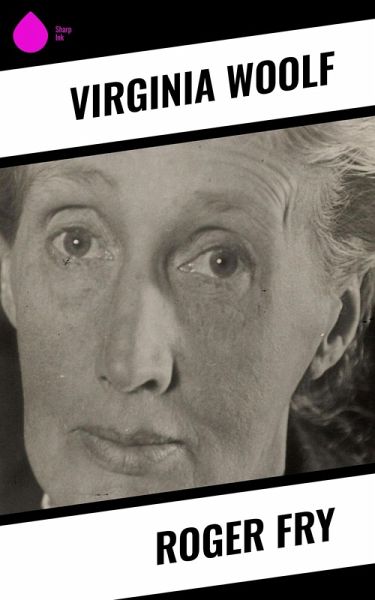
In "Roger Fry," Virginia Woolf offers an insightful exploration of art criticism through the lens of her subject, a pivotal figure in the Bloomsbury Group. The book is a nuanced blend of biographical content and critical analysis that captures Fry's contributions to modern art, particularly his role in introducing French Impressionism to British audiences. Woolf's prose is characterized by its lyrical quality and intellectual depth, seamlessly weaving Fry's artistic vision into the broader tapestry of early 20th-century art movements. Her style reflects the intricacies of modernist literature, employing stream-of-consciousness techniques to convey complex thoughts about aesthetics and the nature of art itself. Virginia Woolf (1882-1941) was a prominent modernist writer deeply embedded in the intellectual currents of her time. As a member of the Bloomsbury Group, Fry's ideas resonated with Woolf's own beliefs about creativity and the transformative power of art. Having experienced the vibrant art scene of her day, Woolf possessed a unique perspective on the intersection of art and life, making her an ideal commentator on Fry's work and philosophy. "Roger Fry" is recommended for those delving into modernist literature and art history. Woolf's detailed examination offers not only an understanding of Fry's influence on art but also presents a broader commentary on the societal transformations occurring in the early 20th century. The book is essential for readers who appreciate the interplay between art and culture, as well as for admirers of Woolf's groundbreaking literary style.
Dieser Download kann aus rechtlichen Gründen nur mit Rechnungsadresse in A, B, BG, CY, CZ, D, DK, EW, FIN, F, GR, HR, H, IRL, I, LT, L, LR, M, NL, PL, P, R, S, SLO, SK ausgeliefert werden.