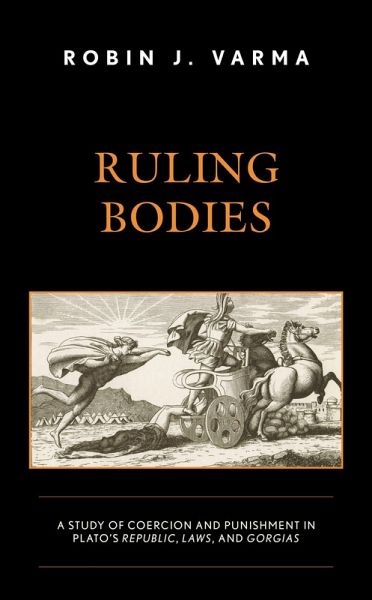
62,95 €
inkl. MwSt.
Sofort per Download lieferbar
31 °P sammeln

Andere Kunden interessierten sich auch für
") Ruling Bodies (eBook, ePUB)62,95 €
Ruling Bodies (eBook, ePUB)62,95 €") Social Institutions and the Politics of Recognition (eBook, PDF)30,95 €
Social Institutions and the Politics of Recognition (eBook, PDF)30,95 €") Imagination in Politics (eBook, PDF)88,95 €
Imagination in Politics (eBook, PDF)88,95 €") Politische Philosophie (eBook, PDF)24,99 €
Politische Philosophie (eBook, PDF)24,99 €") Routledge Handbook of Feminist Peace Research (eBook, PDF)44,95 €
Routledge Handbook of Feminist Peace Research (eBook, PDF)44,95 €") The Political Nature of a Ruling Class (eBook, PDF)52,95 €
The Political Nature of a Ruling Class (eBook, PDF)52,95 €") The Impact of European Human Rights Bodies on Penal Policies (eBook, PDF)80,95 €
The Impact of European Human Rights Bodies on Penal Policies (eBook, PDF)80,95 €



This book is about an epochal shift in ideas that changed the nature and meaning of coercion in modern political thought. It begins with a review of Foucault, Arendt, and Habermas, and points out a discrepancy in the way each thinker understood coercion in modern politics. From here, Varma examines Plato's Republic, Laws, and Gorgias to provide a framework and context for thinking about this. As the author shows, each work demonstrates a particular style of Platonic statecraft that corresponds to the amount of power the philosopher holds in a city. The Republic demonstrates the philosopher's rule as a monarch; the Laws demonstrates his rule when he must share power with a few spirited statesmen; and the Gorgias demonstrates his rule in a democracy where power belongs to the people. Ultimately, Varma argues that the philosopher used coercion as a supplementary tool to help harmonize man's soul with the heavens. When Hobbes recast the cosmos as matter in motion, however, power became the highest ordering principle for political life.