22,95 €
22,95 €
inkl. MwSt.
Sofort per Download lieferbar

11 °P sammeln
22,95 €
Als Download kaufen
22,95 €
inkl. MwSt.
Sofort per Download lieferbar
11 °P sammeln
Jetzt verschenken
Alle Infos zum eBook verschenken
22,95 €
inkl. MwSt.
Sofort per Download lieferbar
Alle Infos zum eBook verschenken
11 °P sammeln

Andere Kunden interessierten sich auch für
") Defying Standardization (eBook, ePUB)22,95 €
Defying Standardization (eBook, ePUB)22,95 €") Common Sense Questions about Tests (eBook, ePUB)29,95 €
Common Sense Questions about Tests (eBook, ePUB)29,95 €") Self-Taught (eBook, PDF)22,95 €
Self-Taught (eBook, PDF)22,95 €") Five Teaching and Learning Myths-Debunked (eBook, ePUB)25,95 €
Five Teaching and Learning Myths-Debunked (eBook, ePUB)25,95 €") Nurturing the Whole Student (eBook, ePUB)24,95 €
Nurturing the Whole Student (eBook, ePUB)24,95 €") Brainless Sameness (eBook, ePUB)25,95 €
Brainless Sameness (eBook, ePUB)25,95 €") Learning Through Dialogue (eBook, ePUB)24,95 €
Learning Through Dialogue (eBook, ePUB)24,95 €




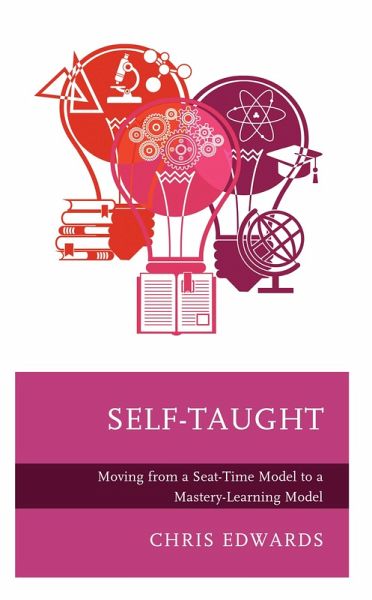
The American educational structure is a feudal system designed around an inefficient seat time model. This structure sets students against each other in competition, creates zip-code inequalities, and empowers an expensive and often damaging bureaucratic class of administrators. Due to shortages of teachers and staff, and to needless problems with curricula and testing, this system is about to fall. Historically, when feudal systems collapse, they create opportunities for new structures to emerge. Technology has made it possible to develop a new educational model that connects students to their community and reduces pressure on students and teachers. This new model makes it possible to deliver high quality education for all students, regardless of zip code, while turning students into active learners. Self Taught: Moving from a Seat Time Model to a Mastery Learning Model explains how this process can begin by asking just one question: what would you do if you needed to learn something?