76,95 €
76,95 €
inkl. MwSt.
Sofort per Download lieferbar

38 °P sammeln
76,95 €
Als Download kaufen
76,95 €
inkl. MwSt.
Sofort per Download lieferbar
38 °P sammeln
Jetzt verschenken
Alle Infos zum eBook verschenken
76,95 €
inkl. MwSt.
Sofort per Download lieferbar
Alle Infos zum eBook verschenken
38 °P sammeln

Andere Kunden interessierten sich auch für
") Non-alignment and Its Origins in Cold War Europe (eBook, PDF)76,95 €
Non-alignment and Its Origins in Cold War Europe (eBook, PDF)76,95 €") The Collapse of Communist Power in Poland (eBook, PDF)0,00 €
The Collapse of Communist Power in Poland (eBook, PDF)0,00 €") In the Shadow of Vesuvius (eBook, PDF)9,95 €
In the Shadow of Vesuvius (eBook, PDF)9,95 €") In the Shadow of the Dictators (eBook, PDF)25,95 €
In the Shadow of the Dictators (eBook, PDF)25,95 €") Final Days (eBook, PDF)39,95 €
Final Days (eBook, PDF)39,95 €") The Orient Within (eBook, PDF)121,95 €
The Orient Within (eBook, PDF)121,95 €") Great Britain and the Creation of Yugoslavia (eBook, PDF)89,95 €
Great Britain and the Creation of Yugoslavia (eBook, PDF)89,95 €







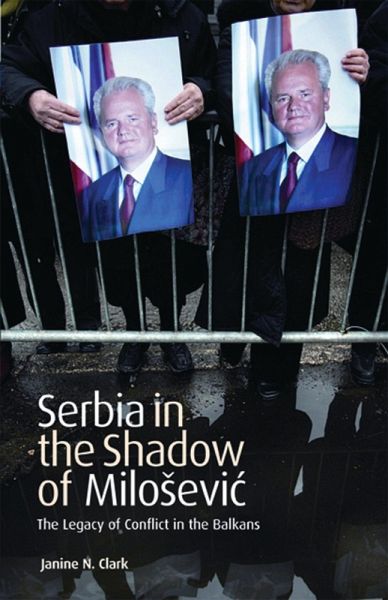
Since the regime of Slobodan Milosevic was spectacularly overthrown on 5 October 2000, little has been written about subsequent political developments in Serbia. The perception of Milosevic as a criminal leader who plunged the former Yugoslavia into bloodshed and used violence to achieve his aims is not widely disputed among Western observers. However, to what extent is this view of Milosevic shared by people in Serbia? Here Janine Clark offers insights into and an understanding of this troubled country. She argues that many Serbs do not regard Milosevic as a criminal leader but rather as a 'bad' leader whose greatest crimes were against his own people. This has important implications for how Serbia deals with its past and for reconciliation and peace-building in the former Yugoslavia.