85,95 €
85,95 €
inkl. MwSt.
Sofort per Download lieferbar

43 °P sammeln
85,95 €
Als Download kaufen
85,95 €
inkl. MwSt.
Sofort per Download lieferbar
43 °P sammeln
Jetzt verschenken
Alle Infos zum eBook verschenken
85,95 €
inkl. MwSt.
Sofort per Download lieferbar
Alle Infos zum eBook verschenken
43 °P sammeln

Andere Kunden interessierten sich auch für
") Serfdom in medieval England (eBook, PDF)85,95 €
Serfdom in medieval England (eBook, PDF)85,95 €") Debating medieval Europe (eBook, ePUB)28,95 €
Debating medieval Europe (eBook, ePUB)28,95 €") Normal Women (eBook, ePUB)21,99 €
Normal Women (eBook, ePUB)21,99 €") Feudalism (eBook, ePUB)69,95 €
Feudalism (eBook, ePUB)69,95 €") A Distant Mirror (eBook, ePUB)6,99 €
A Distant Mirror (eBook, ePUB)6,99 €") Markets and their Actors in the Late Middle Ages (eBook, ePUB)66,95 €
Markets and their Actors in the Late Middle Ages (eBook, ePUB)66,95 €") Selling the Church (eBook, ePUB)22,95 €
Selling the Church (eBook, ePUB)22,95 €



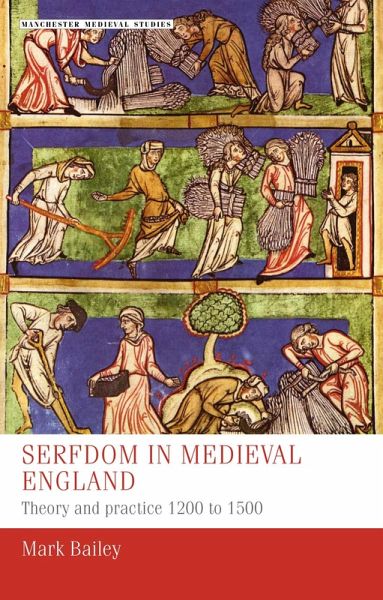
Serfdom was a coercive relationship between a landowner and peasant, which was widespread across medieval and early modern Europe. It features prominently in major historical debates, such as the origins of capitalism and the divergent pathways of western and eastern Europe to modernity. Scholars have paid particular attention to English serfdom, which is usually portrayed as highly oppressive and a major cause of the Peasants' Revolt in 1381.
This comprehensive survey draws on a vast scholarship and new research to show how, in reality, English serfdom was weak, casting new light on the nature of its society and economy when the Black Death struck in 1348-9. The pandemic now assumes a central role in the rapid decline of serfdom, as illustrated in a case study of the estate of one of England's harshest landowners, St Albans abbey.
This comprehensive survey draws on a vast scholarship and new research to show how, in reality, English serfdom was weak, casting new light on the nature of its society and economy when the Black Death struck in 1348-9. The pandemic now assumes a central role in the rapid decline of serfdom, as illustrated in a case study of the estate of one of England's harshest landowners, St Albans abbey.
Dieser Download kann aus rechtlichen Gründen nur mit Rechnungsadresse in A, D ausgeliefert werden.