Sie sind bereits eingeloggt. Klicken Sie auf 2. tolino select Abo, um fortzufahren.
Bitte loggen Sie sich zunächst in Ihr Kundenkonto ein oder registrieren Sie sich bei bücher.de, um das eBook-Abo tolino select nutzen zu können.
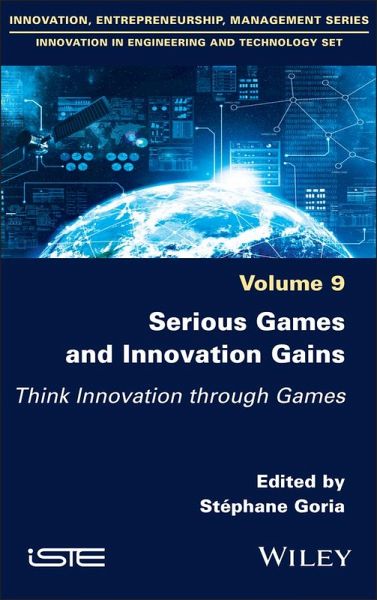
Over the past thirty years or so, serious games, gaming and playful activities have come to occupy an important place in organizations. While this phenomenon is an ancient one, the use of games for serious purposes has become widespread over the last two centuries, and their development has been exponential, stimulated by that of information technologies. As a result, it has become necessary to understand the specificities of these games and play activities in order to innovate and create value within organizations. For this reason, this book aims to enlighten the reader on their variety,…mehr
Over the past thirty years or so, serious games, gaming and playful activities have come to occupy an important place in organizations. While this phenomenon is an ancient one, the use of games for serious purposes has become widespread over the last two centuries, and their development has been exponential, stimulated by that of information technologies.
As a result, it has become necessary to understand the specificities of these games and play activities in order to innovate and create value within organizations. For this reason, this book aims to enlighten the reader on their variety, their specific features and what they can bring to an organization.
Serious Games and Innovation Gains first uncovers the history of these kinds of games and play, their main characteristics and what they can bring in terms of a vision of the future. Above all, this book explores how these games and forms of play can be implemented, especially in areas such as progressive development, education, agility support, academic research, as well as military thinking, cyber defense or knowledge base building contexts.
Dieser Download kann aus rechtlichen Gründen nur mit Rechnungsadresse in D ausgeliefert werden.
Die Herstellerinformationen sind derzeit nicht verfügbar.
Autorenporträt
Stéphane Goria is Professor at the University of Lorraine, France. He is a member of the Mediation Research Center (Centre de recherche sur les médiations, Crem) and the Research Network on Innovation. His research focuses on information relevant for innovation and the use of games for serious purposes.
Inhaltsangabe
Introduction. A Brief History and Variety of Games for Serious Purposes xiii Stéphane GORIA Chapter 1. Serious Games: Human or Animal Invention? 1 Julian ALVAREZ 1.1. Introduction 1 1.2. Biological approaches to play 3 1.3. Inter-species play frameworks 6 1.4. Serious Play in nonhuman animals? 10 1.5. Concluding discussion 13 1.6. References 15 Chapter 2. The Neurotechnological Future of Video Games: The Contribution of Science Fiction to Prospective Thinking on the Post-Metaverse 17 Thomas MICHAUD 2.1. Free Guy and the revolt of an artificial life in a video game 19 2.2. Artificial life and video games 20 2.3. The Frankenstein complex and fear of artificial intelligence 21 2.4. Ultimate Game and video games by nanoneurotechnologies 24 2.5. A telepathic video game in the Black Mirror series 26 2.6. Neuralink, a pioneer in neurotechnology 27 2.7. Neuroethics, video games and science fiction 28 2.8. Conclusion 30 2.9. References 32 Chapter 3. Ludopedagogy Told by a Sponge 35 Julian ALVAREZ 3.1. Introduction 35 3.2. Ludicization or when the sponge becomes a game 36 3.3. Sponge toy and playing with the sponge 38 3.4. The sponge goes from toy to game with rules 39 3.5. A sponge, a game and a utilitarian aim: several possibilities 40 3.6. The sponge, two sides for serious play 42 3.7. Gamified sponge 43 3.8. When the sponge absorbs the commercial license 45 3.9. Conclusion 46 3.10. References 48 Chapter 4. Actual Plays: When the Tabletop Role-Playing Game Gains Media Coverage 51 Ugo ROUX 4.1. Introduction 51 4.2. Materials and methods 54 4.3. "Spectating" role-playing 55 4.4. Conclusion 65 4.5. References 66 Chapter 5. Tabletop Role-Playing as a Gamification of a Case Study in Management Control 71 Rémi MARTIN and Frédéric FAVRE-FÉLIX 5.1. Pedagogical issues 71 5.2. Description and application methodology 73 5.3. The benefits of edutainment practices 76 5.4. Synthesis and assessment of classroom feedback 81 5.5. Conclusion 82 5.6. References 83 Chapter 6. Variety and Contribution of Agile Games to Organizational Innovation 85 Stéphane GORIA 6.1. Introduction 85 6.2. Agility and agile methods 86 6.3. Serious games and agile games 89 6.4. The agile games package 90 6.5. Description of the most frequent games 93 6.6. Conclusion 100 6.7. References 100 Chapter 7. Serious Games as a Provocative Research Method? 105 Hélène MICHEL, Zeinab SHEET and Guy PARMENTIER 7.1. Play as a research laboratory 107 7.2. Case study of play as a provocative method: putting participants in a situation of failure to assess their creativity 110 7.3. Discussion: mobilizing play as a provocative research method 122 7.4. Conclusion: the researcher as agent provocateur? 122 7.5. References 123 Chapter 8. Serious Games and Decision-Making in the Context of Hospital Cybersecurity 127 Natalia ZWARTS and Niek Jan VAN DEN HOUT 8.1. Introduction 127 8.2. Introduction to cybersecurity challenges for hospital management 129 8.3. Introduction to hospital specific cybersecurity risks 131 8.4. Serious games for cybersecurity 134 8.5. Microgames methodology 135 8.6. Results 141 8.7. Conclusions 143 8.8. Limitations 143 8.9. Discussion 144 8.10. References 144 Chapter 9. Wargames and Their Practices Within Military Organizations 149 Stéphane GORIA 9.1. Wargaming and wargames 149 9.2. History and main features of the wargame 150 9.3. Wargames and computing 159 9.4. The ongoing search for balance 163 9.5. References 163 Chapter 10. A Tabletop Game Hijacked to Build Managerial Theories 169 Fabrice CAUDRON 10.1. Introduction 169 10.2. Game-based training for young cooperative training managers 170 10.3. The method: play first, theorize later 172 10.4. Benefits of the pedagogical system 182 10.5. Conclusion 184 10.6. References 184 Chapter 11. Educational Innovation Through FLOSS Serious Gaming 187 Philippe LÉPINARD and Julien MENIER 11.1. Introduction 187 11.2. Serious gaming 188 11.3. Pedagogical uses of Minetest/Luanti 190 11.4. Results and discussion 195 11.5. Conclusion 201 11.6. References 201 Chapter 12. Digital Games to Build a Knowledge Base 205 Mathieu LAFOURCADE and Nathalie LE BRUN 12.1. Introduction 205 12.2. Games to build lexico-semantic resources 206 12.3. The challenge is to attract players and ensure data quality 209 12.4. The JeuxDeMots project: acquisition and consolidation 210 12.5. The resource obtained and the playful ways in which it is built up 220 12.6. Conclusion 226 12.7. References 226 Chapter 13. Games as a Basis for Automatic Analogy Analysis 233 Mathieu LAFOURCADE, Nathalie LE BRUN and Jérémie ROUX 13.1. Introduction 233 13.2. Analogical square 234 13.3. JeuxDeMots and Analogia 239 13.4. Intersector 245 13.5. Conclusion 250 13.6. Appendix: some representative analogies 250 13.7. References 256 Chapter 14. Serious Games and Design Thinking: A Possible Combination? 259 Julian ALVAREZ 14.1. Introduction 259 14.2. Flee the Skip 260 14.3. Onion Soup 263 14.4. Conclusion 267 14.5. References 268 List of Authors 271 Index 273
Introduction. A Brief History and Variety of Games for Serious Purposes xiii Stéphane GORIA Chapter 1. Serious Games: Human or Animal Invention? 1 Julian ALVAREZ 1.1. Introduction 1 1.2. Biological approaches to play 3 1.3. Inter-species play frameworks 6 1.4. Serious Play in nonhuman animals? 10 1.5. Concluding discussion 13 1.6. References 15 Chapter 2. The Neurotechnological Future of Video Games: The Contribution of Science Fiction to Prospective Thinking on the Post-Metaverse 17 Thomas MICHAUD 2.1. Free Guy and the revolt of an artificial life in a video game 19 2.2. Artificial life and video games 20 2.3. The Frankenstein complex and fear of artificial intelligence 21 2.4. Ultimate Game and video games by nanoneurotechnologies 24 2.5. A telepathic video game in the Black Mirror series 26 2.6. Neuralink, a pioneer in neurotechnology 27 2.7. Neuroethics, video games and science fiction 28 2.8. Conclusion 30 2.9. References 32 Chapter 3. Ludopedagogy Told by a Sponge 35 Julian ALVAREZ 3.1. Introduction 35 3.2. Ludicization or when the sponge becomes a game 36 3.3. Sponge toy and playing with the sponge 38 3.4. The sponge goes from toy to game with rules 39 3.5. A sponge, a game and a utilitarian aim: several possibilities 40 3.6. The sponge, two sides for serious play 42 3.7. Gamified sponge 43 3.8. When the sponge absorbs the commercial license 45 3.9. Conclusion 46 3.10. References 48 Chapter 4. Actual Plays: When the Tabletop Role-Playing Game Gains Media Coverage 51 Ugo ROUX 4.1. Introduction 51 4.2. Materials and methods 54 4.3. "Spectating" role-playing 55 4.4. Conclusion 65 4.5. References 66 Chapter 5. Tabletop Role-Playing as a Gamification of a Case Study in Management Control 71 Rémi MARTIN and Frédéric FAVRE-FÉLIX 5.1. Pedagogical issues 71 5.2. Description and application methodology 73 5.3. The benefits of edutainment practices 76 5.4. Synthesis and assessment of classroom feedback 81 5.5. Conclusion 82 5.6. References 83 Chapter 6. Variety and Contribution of Agile Games to Organizational Innovation 85 Stéphane GORIA 6.1. Introduction 85 6.2. Agility and agile methods 86 6.3. Serious games and agile games 89 6.4. The agile games package 90 6.5. Description of the most frequent games 93 6.6. Conclusion 100 6.7. References 100 Chapter 7. Serious Games as a Provocative Research Method? 105 Hélène MICHEL, Zeinab SHEET and Guy PARMENTIER 7.1. Play as a research laboratory 107 7.2. Case study of play as a provocative method: putting participants in a situation of failure to assess their creativity 110 7.3. Discussion: mobilizing play as a provocative research method 122 7.4. Conclusion: the researcher as agent provocateur? 122 7.5. References 123 Chapter 8. Serious Games and Decision-Making in the Context of Hospital Cybersecurity 127 Natalia ZWARTS and Niek Jan VAN DEN HOUT 8.1. Introduction 127 8.2. Introduction to cybersecurity challenges for hospital management 129 8.3. Introduction to hospital specific cybersecurity risks 131 8.4. Serious games for cybersecurity 134 8.5. Microgames methodology 135 8.6. Results 141 8.7. Conclusions 143 8.8. Limitations 143 8.9. Discussion 144 8.10. References 144 Chapter 9. Wargames and Their Practices Within Military Organizations 149 Stéphane GORIA 9.1. Wargaming and wargames 149 9.2. History and main features of the wargame 150 9.3. Wargames and computing 159 9.4. The ongoing search for balance 163 9.5. References 163 Chapter 10. A Tabletop Game Hijacked to Build Managerial Theories 169 Fabrice CAUDRON 10.1. Introduction 169 10.2. Game-based training for young cooperative training managers 170 10.3. The method: play first, theorize later 172 10.4. Benefits of the pedagogical system 182 10.5. Conclusion 184 10.6. References 184 Chapter 11. Educational Innovation Through FLOSS Serious Gaming 187 Philippe LÉPINARD and Julien MENIER 11.1. Introduction 187 11.2. Serious gaming 188 11.3. Pedagogical uses of Minetest/Luanti 190 11.4. Results and discussion 195 11.5. Conclusion 201 11.6. References 201 Chapter 12. Digital Games to Build a Knowledge Base 205 Mathieu LAFOURCADE and Nathalie LE BRUN 12.1. Introduction 205 12.2. Games to build lexico-semantic resources 206 12.3. The challenge is to attract players and ensure data quality 209 12.4. The JeuxDeMots project: acquisition and consolidation 210 12.5. The resource obtained and the playful ways in which it is built up 220 12.6. Conclusion 226 12.7. References 226 Chapter 13. Games as a Basis for Automatic Analogy Analysis 233 Mathieu LAFOURCADE, Nathalie LE BRUN and Jérémie ROUX 13.1. Introduction 233 13.2. Analogical square 234 13.3. JeuxDeMots and Analogia 239 13.4. Intersector 245 13.5. Conclusion 250 13.6. Appendix: some representative analogies 250 13.7. References 256 Chapter 14. Serious Games and Design Thinking: A Possible Combination? 259 Julian ALVAREZ 14.1. Introduction 259 14.2. Flee the Skip 260 14.3. Onion Soup 263 14.4. Conclusion 267 14.5. References 268 List of Authors 271 Index 273
Es gelten unsere Allgemeinen Geschäftsbedingungen: www.buecher.de/agb
Impressum
www.buecher.de ist ein Internetauftritt der buecher.de internetstores GmbH
Geschäftsführung: Monica Sawhney | Roland Kölbl | Günter Hilger
Sitz der Gesellschaft: Batheyer Straße 115 - 117, 58099 Hagen
Postanschrift: Bürgermeister-Wegele-Str. 12, 86167 Augsburg
Amtsgericht Hagen HRB 13257
Steuernummer: 321/5800/1497
USt-IdNr: DE450055826