21,95 €
21,95 €
inkl. MwSt.
Sofort per Download lieferbar

11 °P sammeln
21,95 €
Als Download kaufen
21,95 €
inkl. MwSt.
Sofort per Download lieferbar
11 °P sammeln
Jetzt verschenken
Alle Infos zum eBook verschenken
21,95 €
inkl. MwSt.
Sofort per Download lieferbar
Alle Infos zum eBook verschenken
11 °P sammeln

Andere Kunden interessierten sich auch für
") Silent Talk (eBook, ePUB)21,95 €
Silent Talk (eBook, ePUB)21,95 €") Differentiated Instruction Made Practical (eBook, PDF)29,95 €
Differentiated Instruction Made Practical (eBook, PDF)29,95 €") Teaching with Comics and Graphic Novels (eBook, PDF)29,95 €
Teaching with Comics and Graphic Novels (eBook, PDF)29,95 €") Working the Room (eBook, PDF)14,95 €
Working the Room (eBook, PDF)14,95 €") Leading Social-Emotional Learning in Districts and Schools (eBook, PDF)26,95 €
Leading Social-Emotional Learning in Districts and Schools (eBook, PDF)26,95 €") Constructivist Strategies (eBook, PDF)21,95 €
Constructivist Strategies (eBook, PDF)21,95 €") Reconceptualizing Disability in Education (eBook, PDF)30,95 €
Reconceptualizing Disability in Education (eBook, PDF)30,95 €


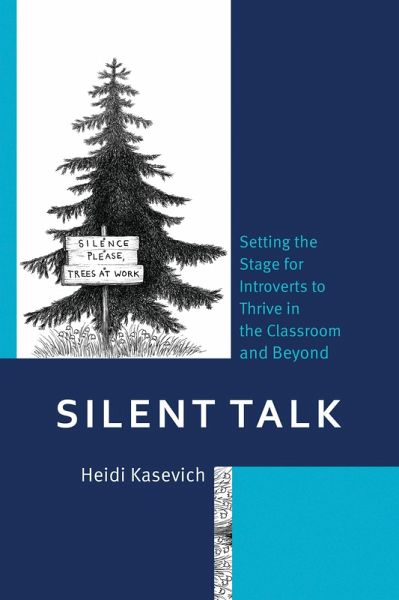
In our extroverted school cultures of today, there is an emphasis on quantity of speech and constant social interaction, often leading introverted students to feel misjudged and overlooked. Silent Talk:Setting the Stage for Introverts to Thrive in the Classroom and Beyond offers research-based strategies to create inclusive classrooms where introverts are as valued as their extroverted counterparts for their potential to learn and lead. This book reimagines traditional notions of classroom participation, incorporates silence as a prelude to talk, and rescues solitude with quiet times and spaces. Filled with actionable advice, Silent Talk is an essential guide for educators seeking to nurture quiet leaders.