Sie sind bereits eingeloggt. Klicken Sie auf 2. tolino select Abo, um fortzufahren.
Bitte loggen Sie sich zunächst in Ihr Kundenkonto ein oder registrieren Sie sich bei bücher.de, um das eBook-Abo tolino select nutzen zu können.
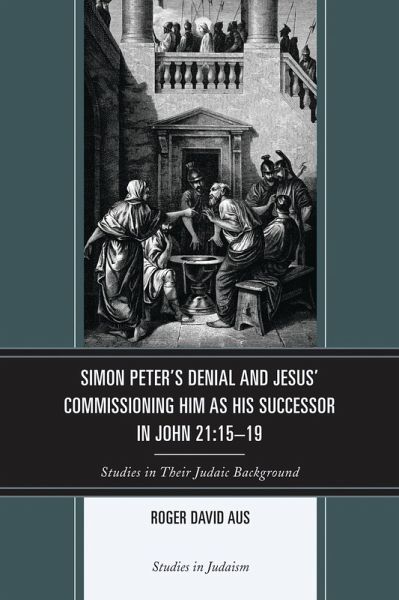
This study uses early Jewish sources to analyze the significance of Day of Atonement and High Priest imagery in the narrative of Simon Peter's threefold denial of Jesus. It then describes the influence of other early Jewish sources on Jesus' commissioning his main disciple Simon Peter as his own successor in John 21:15-19. Aus relates this event to Moses' commissioning his main disciple Joshua as his successor.
This study uses early Jewish sources to analyze the significance of Day of Atonement and High Priest imagery in the narrative of Simon Peter's threefold denial of Jesus. It then describes the influence of other early Jewish sources on Jesus' commissioning his main disciple Simon Peter as his own successor in John 21:15-19. Aus relates this event to Moses' commissioning his main disciple Joshua as his successor.
Die Herstellerinformationen sind derzeit nicht verfügbar.
Autorenporträt
Roger David Aus, Ph.D., is pastor emeritus of the Evangelische Luther-Kirchengemeinde Alt-Reinickendorf in Berlin, Germany. He is the author of twelve other books on the New Testament and a member of the Society of New Testament Studies, the Society of Biblical Literature, and the Gesellschaft für Wissenschaftliche Theologie.
Inhaltsangabe
Preface Simplified Outline of the Inner Temple of Jerusalem Introduction I. The Priesthood, the Day of Atonement, and the High Priest 1. The Priesthood 2. The Day of Atonement 3. The High Priest 3.1 The High Priest as an / the Anointed One 3.2 The High Priestly Garments and Blasphemy 3.3 The Seamless Robe of the High Priest and Jesus (John 19:23) 3.4 The Death of the High Priest and Atonement 3.5 The Binding or ?Aqedah of Isaac by the High Priest Abraham at Mount Moriah / Jerusalem on the Day of Atonement 3.6 The High Priest "Delivers" the Scapegoat to be "Led Away" 3.7 Standing at a Distance and Beholding the Death of the Scapegoat 3.8 Jesus as the Scapegoat at his Rejection in Luke 4:16-30 3.8.1 Jesus' Appearing Alone in Nazareth 3.8.2 The Scapegoat as Sent Out of the City 3.8.3 "Leading Away" the Scapegoat to the Site of its Being Killed 3.8.4 Jerusalem's Eminent Citizens Accompany the Scapegoat 3.8.5 The Steep Precipice (S[oq), a Hill / Mountain 3.8.6 Pushing the Scapegoat Headlong Down to its Death 3.9 The Place Golgotha 4. Jesus' Last Meal with His Disciples with Day of Atonement Imagery 5. High Priest and Day of Atonement Imagery in Gethsemane 5.1 The Seclusion of the High Priest Before the Day of Atonement 5.1.1 A Secluded Place with the Name Gethsemane 5.1.2 Sleep 5.1.3 Keeping Watch / Waking 5.1.4 Sitting 5.1.5 Disciples 5.1.6 Weak 5.2 Fear of Death Before Making Atonement in the Holy of Holies 5.3 High Priestly Prayer 6. All Eleven Disciples Abandon Jesus and Flee at His Arrest in Gethsemane 6.1 Mark 14:27 6.2 Luke 22:31-34 6.3 John 16:32; 17:12; and 18:8-9 6.3.1 John 16:32 6.3.2 John 17:12 and 18:8-9 II. Peter's Denial of Jesus in Mark 14:53-72 par. and John 18:15-27 in Light of Day of Atonement Imagery Introduction: The Setting Within Jesus' "Hearing" 1. Two Movements Within the Setting 1.1 Two Movements of Jesus in the Gospels 1.2 Two Movements of the High Priest on the Day of Atonement 2. The House of the High Priest 3. The Upper Room 4. The Courtyard 5. The Gate 6. The Guards 7. Warming Oneself, and Seeing 8. Cockcrow 9. Swearing, and Bystanders 10. Turning Aside and Weeping 11. Denying and Persecution 12. The Original Author and Language 13. The Meanings and Historicity of the Narrative 13.1 The Meanings 13.1.1 Two Scenes of Contrasting Behavior 13.1.2 Echoes of Day of Atonement Imagery 13.1.3 Confessing and Denying During Persecution 13.2 The Question of Historicity III. The Threefold Commission of Simon Peter in John 21:15-19 Introduction 1. The Commissioning of All the Disciples 2. The Commissioning of Simon Peter Alone in John 21 3. Simon Peter as the "First" Disciple 4. Peter in Acts 5. The Pauline Letters 6. First and Second Peter, and Hebrews 1. Jesus as the Messianic Davidic Shepherd 1.1 The Verbs for Feeding / Tending 1.2 Jesus as a / the Son of David, the Eschatological Messianic King and Shepherd 1.3 The Various Kinds of Sheep in John 21:15-17 2. Jesus as the Shepherd of Israel 2.1 David 2.2 Moses 2.3 Jesus as the New Shepherd Moses 3. Joshua as Moses' Main Disciple, and Peter as Jesus' Main Disciple 4. Num 27:12-23, Cant 1:7-8, and Joshua's Treatment of Individual Groups 4.1 To Love 4.2 To Love More Than 4.3 To Know 4.4 The Threefold Question and Answer 4.5 A Threefold Question and Answer Formula of Ordination 4.6 Three Different Kinds of Sheep 4.7 Girding / Wrapping and Veiling Oneself 4.8 Being Young, Growing Old, and Stretching Out One's Hands 4.8.1 Being Young and Growing Old 4.8.2 Stretching Out One's Hands 4.9 Follow Me 4.10 Simon Son of John 4.11 The Seat of Moses 4.11.1 The Testament of Moses 4.11.2 Sifre Pinh@as140 on Num 27:19 4.11.3 Petirat Mosheh 5. The Original Language and Provenance of John 21:15-19 6. The Question of the Historicity and Unity of John 21:15-19 7. The Genre 8. The Meanings of John 21:15-19 8.1 Feeding the Sheep 8.2 Forgiveness and Rehabilitation of a Penitent 8.3 The Criterion of Love 8.4 The Fulfillment of Prophecy 8.5 The Tenure of Simon Peter's Commission 8.6 Moses' Commission of Joshua in Judaic Tradition, and Jesus' Commission of Simon Peter Sources and Reference Works Author Index Index of Sources Cited About the Author
Preface Simplified Outline of the Inner Temple of Jerusalem Introduction I. The Priesthood, the Day of Atonement, and the High Priest 1. The Priesthood 2. The Day of Atonement 3. The High Priest 3.1 The High Priest as an / the Anointed One 3.2 The High Priestly Garments and Blasphemy 3.3 The Seamless Robe of the High Priest and Jesus (John 19:23) 3.4 The Death of the High Priest and Atonement 3.5 The Binding or ?Aqedah of Isaac by the High Priest Abraham at Mount Moriah / Jerusalem on the Day of Atonement 3.6 The High Priest "Delivers" the Scapegoat to be "Led Away" 3.7 Standing at a Distance and Beholding the Death of the Scapegoat 3.8 Jesus as the Scapegoat at his Rejection in Luke 4:16-30 3.8.1 Jesus' Appearing Alone in Nazareth 3.8.2 The Scapegoat as Sent Out of the City 3.8.3 "Leading Away" the Scapegoat to the Site of its Being Killed 3.8.4 Jerusalem's Eminent Citizens Accompany the Scapegoat 3.8.5 The Steep Precipice (S[oq), a Hill / Mountain 3.8.6 Pushing the Scapegoat Headlong Down to its Death 3.9 The Place Golgotha 4. Jesus' Last Meal with His Disciples with Day of Atonement Imagery 5. High Priest and Day of Atonement Imagery in Gethsemane 5.1 The Seclusion of the High Priest Before the Day of Atonement 5.1.1 A Secluded Place with the Name Gethsemane 5.1.2 Sleep 5.1.3 Keeping Watch / Waking 5.1.4 Sitting 5.1.5 Disciples 5.1.6 Weak 5.2 Fear of Death Before Making Atonement in the Holy of Holies 5.3 High Priestly Prayer 6. All Eleven Disciples Abandon Jesus and Flee at His Arrest in Gethsemane 6.1 Mark 14:27 6.2 Luke 22:31-34 6.3 John 16:32; 17:12; and 18:8-9 6.3.1 John 16:32 6.3.2 John 17:12 and 18:8-9 II. Peter's Denial of Jesus in Mark 14:53-72 par. and John 18:15-27 in Light of Day of Atonement Imagery Introduction: The Setting Within Jesus' "Hearing" 1. Two Movements Within the Setting 1.1 Two Movements of Jesus in the Gospels 1.2 Two Movements of the High Priest on the Day of Atonement 2. The House of the High Priest 3. The Upper Room 4. The Courtyard 5. The Gate 6. The Guards 7. Warming Oneself, and Seeing 8. Cockcrow 9. Swearing, and Bystanders 10. Turning Aside and Weeping 11. Denying and Persecution 12. The Original Author and Language 13. The Meanings and Historicity of the Narrative 13.1 The Meanings 13.1.1 Two Scenes of Contrasting Behavior 13.1.2 Echoes of Day of Atonement Imagery 13.1.3 Confessing and Denying During Persecution 13.2 The Question of Historicity III. The Threefold Commission of Simon Peter in John 21:15-19 Introduction 1. The Commissioning of All the Disciples 2. The Commissioning of Simon Peter Alone in John 21 3. Simon Peter as the "First" Disciple 4. Peter in Acts 5. The Pauline Letters 6. First and Second Peter, and Hebrews 1. Jesus as the Messianic Davidic Shepherd 1.1 The Verbs for Feeding / Tending 1.2 Jesus as a / the Son of David, the Eschatological Messianic King and Shepherd 1.3 The Various Kinds of Sheep in John 21:15-17 2. Jesus as the Shepherd of Israel 2.1 David 2.2 Moses 2.3 Jesus as the New Shepherd Moses 3. Joshua as Moses' Main Disciple, and Peter as Jesus' Main Disciple 4. Num 27:12-23, Cant 1:7-8, and Joshua's Treatment of Individual Groups 4.1 To Love 4.2 To Love More Than 4.3 To Know 4.4 The Threefold Question and Answer 4.5 A Threefold Question and Answer Formula of Ordination 4.6 Three Different Kinds of Sheep 4.7 Girding / Wrapping and Veiling Oneself 4.8 Being Young, Growing Old, and Stretching Out One's Hands 4.8.1 Being Young and Growing Old 4.8.2 Stretching Out One's Hands 4.9 Follow Me 4.10 Simon Son of John 4.11 The Seat of Moses 4.11.1 The Testament of Moses 4.11.2 Sifre Pinh@as140 on Num 27:19 4.11.3 Petirat Mosheh 5. The Original Language and Provenance of John 21:15-19 6. The Question of the Historicity and Unity of John 21:15-19 7. The Genre 8. The Meanings of John 21:15-19 8.1 Feeding the Sheep 8.2 Forgiveness and Rehabilitation of a Penitent 8.3 The Criterion of Love 8.4 The Fulfillment of Prophecy 8.5 The Tenure of Simon Peter's Commission 8.6 Moses' Commission of Joshua in Judaic Tradition, and Jesus' Commission of Simon Peter Sources and Reference Works Author Index Index of Sources Cited About the Author
Es gelten unsere Allgemeinen Geschäftsbedingungen: www.buecher.de/agb
Impressum
www.buecher.de ist ein Internetauftritt der buecher.de internetstores GmbH
Geschäftsführung: Monica Sawhney | Roland Kölbl | Günter Hilger
Sitz der Gesellschaft: Batheyer Straße 115 - 117, 58099 Hagen
Postanschrift: Bürgermeister-Wegele-Str. 12, 86167 Augsburg
Amtsgericht Hagen HRB 13257
Steuernummer: 321/5800/1497
USt-IdNr: DE450055826