30,95 €
inkl. MwSt.
Sofort per Download lieferbar
15 °P sammeln

Andere Kunden interessierten sich auch für
") Theorising Literary Islands (eBook, PDF)33,95 €
Theorising Literary Islands (eBook, PDF)33,95 €") An Introduction to Island Studies (eBook, PDF)24,95 €
An Introduction to Island Studies (eBook, PDF)24,95 €") Social Geographies (eBook, PDF)30,95 €
Social Geographies (eBook, PDF)30,95 €") The Taste of American Place (eBook, PDF)39,95 €
The Taste of American Place (eBook, PDF)39,95 €") An Introduction to the Geography of Tourism (eBook, PDF)54,95 €
An Introduction to the Geography of Tourism (eBook, PDF)54,95 €") The American Way (eBook, PDF)44,95 €
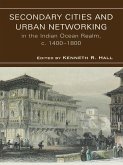
The American Way (eBook, PDF)44,95 €") Secondary Cities and Urban Networking in the Indian Ocean Realm, c. 1400-1800 (eBook, PDF)39,95 €
Secondary Cities and Urban Networking in the Indian Ocean Realm, c. 1400-1800 (eBook, PDF)39,95 €



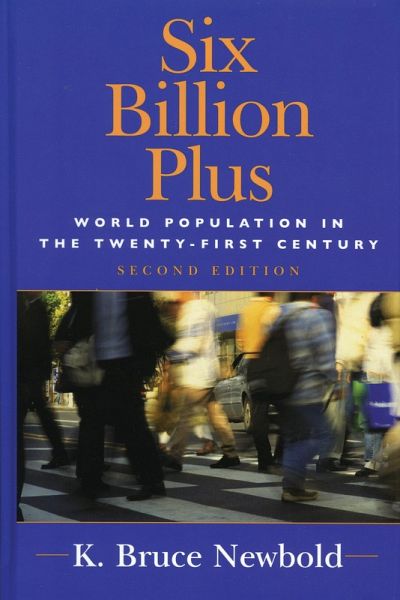
This balanced text offers a concise and readable introduction to world population growth and its implications for the future. With a population currently exceeding six billion and expected to reach ten billion by mid-century, the globe faces a demographic situation that is now more critical than ever before. While the developed world grapples with the problems of an aging and declining population, the developing world will contend with the opposite dilemma of explosive growth. And so the strongest factors shaping the global environment in the decades to come will include population fertility, the social and economic impact of the HIV/AIDS epidemic, legal and illegal immigration, and refugees. The implications are enormous as population growth exacerbates food and resource scarcities, places pressure on institutions, and promotes the potential for conflict. Drawing on a geographical perspective and using examples from around the world, this fully updated edition will be an invaluable resource for all readers concerned with the intertwined issues of population, environment, and health.