11,89 €
inkl. MwSt.
Sofort per Download lieferbar
0 °P sammeln

Andere Kunden interessierten sich auch für
") Microscopic Monsters and the Scientists Who Slay Them (eBook, ePUB)31,95 €
Microscopic Monsters and the Scientists Who Slay Them (eBook, ePUB)31,95 €") Daniel the Dragon Saves the Day (eBook, ePUB)7,99 €
Daniel the Dragon Saves the Day (eBook, ePUB)7,99 €") Mia and the HealthQuest Dragon (eBook, ePUB)7,99 €
Mia and the HealthQuest Dragon (eBook, ePUB)7,99 €") Dragon God of the Hindu Kush - THE RETURN (eBook, ePUB)3,99 €
Dragon God of the Hindu Kush - THE RETURN (eBook, ePUB)3,99 €") Toxic mix (eBook, ePUB)9,95 €
Toxic mix (eBook, ePUB)9,95 €") Toxic relationships (eBook, ePUB)3,99 €
Toxic relationships (eBook, ePUB)3,99 €") Toxic Education (eBook, ePUB)18,95 €
Toxic Education (eBook, ePUB)18,95 €






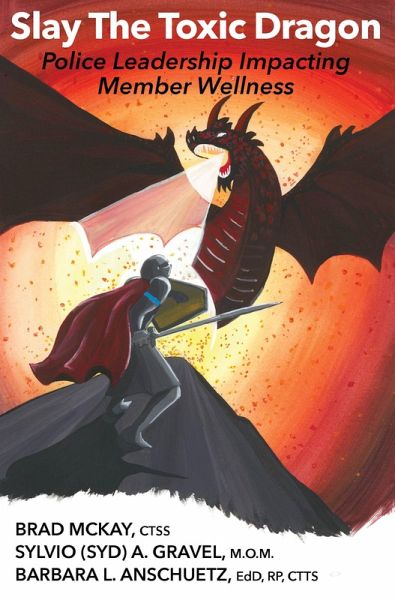
It''s understandable that police organizations and the leaders within them want toportray their work environments as supportive of their members when it comes tomental health. But we see far too many members being hurt and unsupported not tospeak out. It''s also important for us to state that not all organizations arefailing to support their members. Even within some poorly structured organizations,there are many leaders who are doing their best for their members. But there arestill enough problems for us to believe that this discussion about toxic workenvironments has to come out in the open. In our roles, as two peer support workers(retired staff sergeants Brad McKay, York Regional Police; and Sylvio [Syd] Gravel,Ottawa Police), we are often taken aback by how many organizations think, or claim,that all is well with the support they offer their members, considering theconversations we have had with some of their members. We thought it would beenlightening for those who lead police organizations to hear from us as two officerswho have a combined sixty-eight years of experience supporting officers who sufferfrom mental health injuries or illnesses that can be attributed directly to toxicpolice work environments. We have enlisted Barbara Anschuetz, a registeredpsychotherapist, with over thirty years of experience as a clinical mental healthprofessional with police members and their families, to add her professionalclinical perspective and many experiences to this publication. We are not academics.Nor are we mental health professionals. We are simply two officers who have workedthe streets, faced difficult situations in policing and survived. Our journeys weredifferent in many aspects. Yet we both came through our injuries, scarred, buthealed in many ways and still healing in others. This book has been written with theintention of sharing with leaders what we hear from those who are suffering now. Itmay not be the truth police leaders want to hear. But, nevertheless, they need toknow what some members see, hear and feel about working in their policingenvironment. We do not name organizations or people in this book, even when quotingfrom members in our narrative. These citations speak for themselves. Nor do weadvocate for groups or individuals. We want to encourage leaders to move towardpositive change by presenting issues that create toxicity for the organization andhelp leaders "slay the dragon" in their workplaces. Where we can, we offer advice onhow to lessen toxicity, based on specific incidents we have seen. But, at the end ofthe day, this is truly about leaders taking ownership of their own work environmentsand doing what is right to remove toxicity in all its forms. The more they knowabout what can go wrong the more likely they are not to let things happen to startwith. We end our book by presenting twenty-two recommendations that are based onwhat members have told us are missing in police services or where areas can beimproved. Our intent is to help leaders slay the toxic dragon.
Dieser Download kann aus rechtlichen Gründen nur mit Rechnungsadresse in A, B, BG, CY, CZ, D, DK, EW, E, FIN, F, GR, HR, H, IRL, I, LT, L, LR, M, NL, PL, P, R, S, SLO, SK ausgeliefert werden.