33,95 €
33,95 €
inkl. MwSt.
Sofort per Download lieferbar

17 °P sammeln
33,95 €
Als Download kaufen
33,95 €
inkl. MwSt.
Sofort per Download lieferbar
17 °P sammeln
Jetzt verschenken
Alle Infos zum eBook verschenken
33,95 €
inkl. MwSt.
Sofort per Download lieferbar
Alle Infos zum eBook verschenken
17 °P sammeln

Andere Kunden interessierten sich auch für
") Sleep and Brain Injury (eBook, PDF)33,95 €
Sleep and Brain Injury (eBook, PDF)33,95 €") New Frontiers in Pediatric Traumatic Brain Injury (eBook, ePUB)57,95 €
New Frontiers in Pediatric Traumatic Brain Injury (eBook, ePUB)57,95 €") Embracing Hope After Traumatic Brain Injury (eBook, ePUB)23,95 €
Embracing Hope After Traumatic Brain Injury (eBook, ePUB)23,95 €") Rare Conditions, Diagnostic Challenges, and Controversies in Clinical Neuropsychology (eBook, ePUB)43,95 €
Rare Conditions, Diagnostic Challenges, and Controversies in Clinical Neuropsychology (eBook, ePUB)43,95 €") The Invisible Brain Injury (eBook, ePUB)26,95 €
The Invisible Brain Injury (eBook, ePUB)26,95 €") Mistakes in Clinical Neuropsychology (eBook, ePUB)32,95 €
Mistakes in Clinical Neuropsychology (eBook, ePUB)32,95 €") Life and Suicide Following Brain Injury (eBook, ePUB)23,95 €
Life and Suicide Following Brain Injury (eBook, ePUB)23,95 €
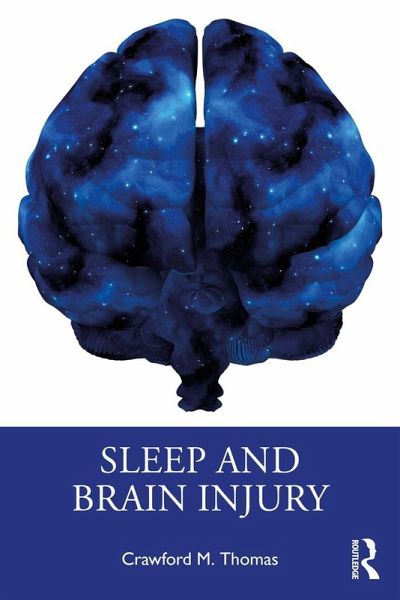
This ground-breaking book binds together a contemporary understanding of sleep and brain injury, pairing empirical understanding through clinical practice with extensive up-to-date research, to provide a deeply considered approach to these overlapping topics. Firstly, the author discusses the neuroanatomy and architecture of sleep, including the need for sleep, definitions of good sleep, and what can go wrong with sleep. The focus then moves to the neuroanatomical damage and dysfunction from brain injury, and the resultant functional effects. The author then adroitly fuses the two streams of coverage together, focusing on the neurobiological, neurochemical, and functional aspects of both sleep and brain injury to offer new insights as to how they interrelate.
The book then looks towards the applied aspects of treatment and rehabilitation, bringing further thoughts of how, because of this new understanding, we can potentially offer novel treatments for brain injury recovery and sleep problems. In this final practical part, four sleep foundations are given, necessary to optimize the three most common sleep problems and their treatments after brain injury.
This new approach highlights how sleep can affect the specific functional effects of brain injury and how brain injury can exacerbate some of the specific functional effects of sleep problems, thus having the potential to transform the field of neurorehabilitation. It is essential reading for professionals working with brain injury and postgraduate students in clinical neuropsychology.
The book then looks towards the applied aspects of treatment and rehabilitation, bringing further thoughts of how, because of this new understanding, we can potentially offer novel treatments for brain injury recovery and sleep problems. In this final practical part, four sleep foundations are given, necessary to optimize the three most common sleep problems and their treatments after brain injury.
This new approach highlights how sleep can affect the specific functional effects of brain injury and how brain injury can exacerbate some of the specific functional effects of sleep problems, thus having the potential to transform the field of neurorehabilitation. It is essential reading for professionals working with brain injury and postgraduate students in clinical neuropsychology.
Dieser Download kann aus rechtlichen Gründen nur mit Rechnungsadresse in A, B, BG, CY, CZ, D, DK, EW, E, FIN, F, GR, HR, H, IRL, I, LT, L, LR, M, NL, PL, P, R, S, SLO, SK ausgeliefert werden.
"Dr Thomas successfully weaves together current knowledge and research from the fields of sleep and brain injury with a vast scope that ranges from the relationship of the neuroanatomical and neurochemical foundations through to the lived experience of the individual. The book expertly constructs a deep appreciation of the complexity and interrelatedness of the extensive ecosystem that is sleep and waking as it structures and encompasses all aspects of life. Based on the intricacies of the above, a complete sleep management approach is offered to promote healthy sleep and waking, which makes clear how things might be improved for those who have experienced a brain injury. It is a must read for anyone working in this area." - Dr Susan Hooper, BSc (Hons), Cert. Ed, MSc, D Couns Psych, Cert. Rehab, Chartered Psychologist, Registered Counselling Psychologist, HCPC
"An extraordinary work, I have learned so much. A few items that stand out in particular include: the disturbing persistence of pro-inflammatory cytokines (and potential risk of neurodegenerative disease) for years post brain injury, the impact of melatonin and sleep deprivation on bone mineral density, the impact of reduced or excess REM on depressive symptoms, including suicidal ideation post TBI, the unsurprisingly complex and beneficial role of Vitamin D, the microbiome and vagus nerve stimulation: all areas of research in inflammatory arthritis. This book offers a thorough review of the neuroscience of sleep and brain injury, together with novel evidenced based interventions to optimise outcomes." - Dr Jo MacGowan, Consultant Rheumatologist, BSc (Hons), MBBS, FRCP
"This astonishingly well researched book integrates current knowledge from sleep theory and practice and the wider neurosciences to provide a comprehensive framework for understanding sleep disorders and brain injury, and their interaction. It will be an invaluable resource to guide all neuro-rehabilitation clinicians in assessing and treating such problems." - Lesley Stewart, Consultant Clinical Neuropsychologist, M.A., M.Phil, Chartered Psychologist, HCPC, Full Practitioner Member Division of Neuropsychology
"An extraordinary work, I have learned so much. A few items that stand out in particular include: the disturbing persistence of pro-inflammatory cytokines (and potential risk of neurodegenerative disease) for years post brain injury, the impact of melatonin and sleep deprivation on bone mineral density, the impact of reduced or excess REM on depressive symptoms, including suicidal ideation post TBI, the unsurprisingly complex and beneficial role of Vitamin D, the microbiome and vagus nerve stimulation: all areas of research in inflammatory arthritis. This book offers a thorough review of the neuroscience of sleep and brain injury, together with novel evidenced based interventions to optimise outcomes." - Dr Jo MacGowan, Consultant Rheumatologist, BSc (Hons), MBBS, FRCP
"This astonishingly well researched book integrates current knowledge from sleep theory and practice and the wider neurosciences to provide a comprehensive framework for understanding sleep disorders and brain injury, and their interaction. It will be an invaluable resource to guide all neuro-rehabilitation clinicians in assessing and treating such problems." - Lesley Stewart, Consultant Clinical Neuropsychologist, M.A., M.Phil, Chartered Psychologist, HCPC, Full Practitioner Member Division of Neuropsychology