45,95 €
inkl. MwSt.
Sofort per Download lieferbar
23 °P sammeln

Andere Kunden interessierten sich auch für
 (eBook, PDF)") Meanings and Situations (RLE Social Theory) (eBook, PDF)30,95 €
Meanings and Situations (RLE Social Theory) (eBook, PDF)30,95 €") Framing Social Theory (eBook, PDF)0,00 €
Framing Social Theory (eBook, PDF)0,00 €") Crossing the Psycho-Social Divide (eBook, PDF)44,95 €
Crossing the Psycho-Social Divide (eBook, PDF)44,95 €") The Social Life of Nothing (eBook, PDF)46,95 €
The Social Life of Nothing (eBook, PDF)46,95 €") Social Theory Since Freud (eBook, ePUB)45,95 €
Social Theory Since Freud (eBook, ePUB)45,95 €") Norbert Elias and Sigmund Freud (eBook, PDF)45,95 €
Norbert Elias and Sigmund Freud (eBook, PDF)45,95 €") Empty Suffering (eBook, PDF)44,95 €
Empty Suffering (eBook, PDF)44,95 €

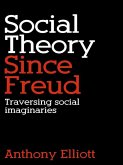
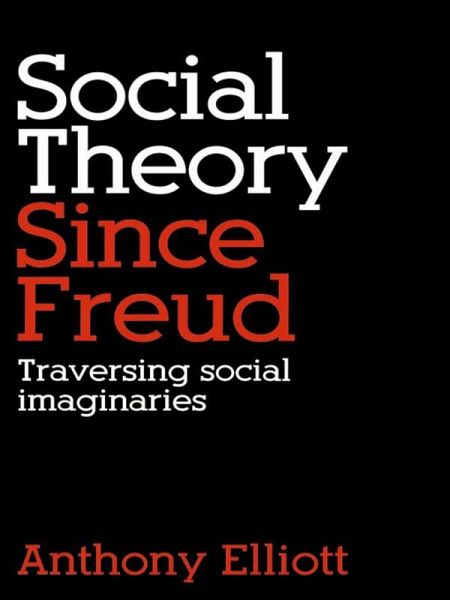
In this compelling book, Anthony Elliott traces the rise of psychoanalysis from the Frankfurt School to postmodernism. Examining how pathbreaking theorists such as Adorno, Marcuse, Lacan and Lyotard have deployed psychoanalysis to politicise issues such as desire, sexuality, repression and identity, Elliott assesses the gains and losses arising from this appropriation of psychoanalysis in social theory and cultural studies.
Moving from the impact of the Culture Wars and recent Freud-bashing to contemporary debates in social theory, feminism and postmodernism, Elliott argues for a new alliance between sociological and psychoanalytic perspectives.
Moving from the impact of the Culture Wars and recent Freud-bashing to contemporary debates in social theory, feminism and postmodernism, Elliott argues for a new alliance between sociological and psychoanalytic perspectives.
Dieser Download kann aus rechtlichen Gründen nur mit Rechnungsadresse in A, B, BG, CY, CZ, D, DK, EW, E, FIN, F, GR, HR, H, IRL, I, LT, L, LR, M, NL, PL, P, R, S, SLO, SK ausgeliefert werden.