Dieser Download kann aus rechtlichen Gründen nur mit Rechnungsadresse in A, B, BG, CY, CZ, D, DK, EW, E, FIN, F, GR, HR, H, IRL, I, LT, L, LR, M, NL, PL, P, R, S, SLO, SK ausgeliefert werden.
Herstellerkennzeichnung
Die Herstellerinformationen sind derzeit nicht verfügbar.
Autorenporträt
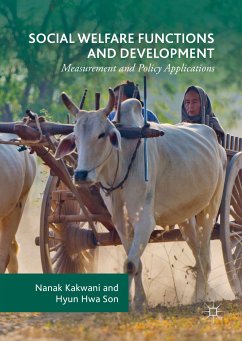
Nanak Kawkani was Professor of Economics for 30 years at the University of New South Wales in Sydney, Australia, and until 2006 was Principal Researcher and Director at UNDP's International Policy Centre for Inclusive Growth in Brazil. He was an elected fellow of the Australian Research Committee of Social Science, and has been awarded the Mahalanobis gold medal for outstanding contribution in quantitative economics. He has published over 100 articles in international journals, as well as four books.
Hyun Hwa Son is Principal Evaluation Specialist in the Independent Evaluation Department of the Asian Development Bank (ADB), Philippines, having previously worked as a poverty economist at the United Nations Development Programme. She has held an academic position at Macquarie University in Sydney, Australia, and published extensively on poverty, inequality, pro-poor growth, inclusive growth, education and health.
Inhaltsangabe
'Foreword-. Preface-. Chapter 1: Introduction-. 1.1: The Concept of Development-. 1.2: Concept of Social Welfare Function-. 1.3: Inequality and Social Welfare Functions-. 1.4: Social Tension and Social Welfare Functions-. 1.5: Inequality and Social Groups-. 1.6: Social Policies and Labor Market-. 1.7: Income Inequality and Social Well-Being-. 1.8: Inequity in Opportunity-. 1.9: Global Poverty Estimates-. 1.10: Food Insecurity-. 1.11 Evaluation of Social Programs-. Chapter 2: Applied Social Welfare Functions-. 2.1: Introduction-. 2.2: What is a Social Welfare Function?-. 2.3: Income Inequality and Social Welfare Function-. 2.4: A Class of Atkinson's Inequality Measures and Social Welfare Functions-. 2.5: Relative vs. Absolute Inequality-. 2.6: Gini Social Welfare Function-. 2.7: Generalized Gini Social Welfare Function-. 2.8: Rawlsian Social Welfare Function and Shared Prosperity-. 2.9: Estimates of Social Welfare Functions in Asia: An Illustration-. 2.10: Concluding Remarks-. Chapter 3: Measuring Social Tension-. 3.1: Introduction-. 3.2: A General Framework for Measuring Social Tension-. 3.3: Social Tension Caused by Inequality-. 3.4: Social Tension Caused by Poverty-. 3.5: Social Tension and Polarization-. 3.6: Growth Volatility and Social Tension-. 3.7: Social Mobility and Social Tension-. 3.8: Empirical Analysis of Social Tension in Brazil-. 3.8.1: Social Tension Due to Inequality-. 3.8.2: Social Tension Due to Poverty-. 3.8.3: Social Tension Due to Alienation and Polarization-. 3.8.4: Growth Volatility and Social Tension-. 3.8.5: Social Immobility-. 3.9: Concluding Remarks-. Chapter 4: Relative Deprivation and Social Groups-. 4.1: Introduction-. 4.2: Relative Deprivation Function-. 4.3: Relative Deprivation Suffered by Social Groups-. 4.4: Empirical Analysis: Case Study for Brazil, 2001-12-. 4.5: Age and Inequality-. 4.6: Gender and Inequality-. 4.7: Geographical Location and Inequality-. 4.8: Middle Class and Inequality-. 4.9: Race and Inequality-. 4.10: Education and Inequality-. 4.11: Concluding Remarks-. Chapter 5: Growth and Shared Prosperity-. 5.1: Introduction-. 5.2: A Simple Indicator of Shared Prosperity-. 5.3: Shared Growth-. 5.4: Patterns of Shared Prosperity in Brazil-. 5.5: Shared Growth in Brazil-. 5.6: Determinants of Shared Prosperity-. 5.7: Determinants of Shared Prosperity in Brazil from 2001 to 2012-. 5.8: The Role of Labor Market in Explaining Shared Growth-. 5.9: Shared Opportunities-. 5.9.1: Employment Opportunities-. 5.9.2: Productive Employment-. 5.9.3: Opportunity in Education Attainment-. 5.9.4: School Attendance-. 5.10: Concluding Remarks-. Chapter 6: Income Inequality and Social Well-Being-. 6.1: Introduction-. 6.2: What is Well-being?-. 6.3: Selection of Capabilities-. 6.4: Indicators of Well-being-. 6.5: Levels and Performance of Well-being in Brazil-. 6.6: Inequality of Well-being-. 6.7: Linkage between Ends and Means-. 6.8: Magnitude of Inequality in Well-being in Brazil-. 6.9: Income InequalityElasticity of Well-being-. 6.10: Concluding Remarks-. Chapter 7: Measuring Equity in Opportunity Using Social Opportunity Function-. 7.1: Introduction-. 7.2: Inequality of Opportunities-. 7.3: A New Method of Measuring Contribution of Circumstance Variables to Inequality-. 7.4: Human Opportunity Index-. 7.5: Equity in Opportunity Based on Social Opportunity Function-. 7.6: Access of Opportunity by Social Groups-. 7.7: Empirical Analysis for Selected Countries in Asia-. 7.7.1: Opportunities in Education-. 7.7.2: Opportunities in Health-. 7.8: Concluding Remarks-. Chapter 8: Global Poverty Counts-. 8.1: Introduction-. 8.2: Establishing Global Poverty Lines-. 8.3: Producing Global Poverty Estimates-. 8.4: The Poverty Line in 2011 Purchasing Power Parity: World Bank's Method-. 8.5: Equivalent Poverty Lines: An Alternative Method-. 8.6: Global Poverty Counts Based on Equivalent Poverty Lines-. 8.7: Concludi
'Foreword-. Preface-. Chapter 1: Introduction-. 1.1: The Concept of Development-. 1.2: Concept of Social Welfare Function-. 1.3: Inequality and Social Welfare Functions-. 1.4: Social Tension and Social Welfare Functions-. 1.5: Inequality and Social Groups-. 1.6: Social Policies and Labor Market-. 1.7: Income Inequality and Social Well-Being-. 1.8: Inequity in Opportunity-. 1.9: Global Poverty Estimates-. 1.10: Food Insecurity-. 1.11 Evaluation of Social Programs-. Chapter 2: Applied Social Welfare Functions-. 2.1: Introduction-. 2.2: What is a Social Welfare Function?-. 2.3: Income Inequality and Social Welfare Function-. 2.4: A Class of Atkinson's Inequality Measures and Social Welfare Functions-. 2.5: Relative vs. Absolute Inequality-. 2.6: Gini Social Welfare Function-. 2.7: Generalized Gini Social Welfare Function-. 2.8: Rawlsian Social Welfare Function and Shared Prosperity-. 2.9: Estimates of Social Welfare Functions in Asia: An Illustration-. 2.10: Concluding Remarks-. Chapter 3: Measuring Social Tension-. 3.1: Introduction-. 3.2: A General Framework for Measuring Social Tension-. 3.3: Social Tension Caused by Inequality-. 3.4: Social Tension Caused by Poverty-. 3.5: Social Tension and Polarization-. 3.6: Growth Volatility and Social Tension-. 3.7: Social Mobility and Social Tension-. 3.8: Empirical Analysis of Social Tension in Brazil-. 3.8.1: Social Tension Due to Inequality-. 3.8.2: Social Tension Due to Poverty-. 3.8.3: Social Tension Due to Alienation and Polarization-. 3.8.4: Growth Volatility and Social Tension-. 3.8.5: Social Immobility-. 3.9: Concluding Remarks-. Chapter 4: Relative Deprivation and Social Groups-. 4.1: Introduction-. 4.2: Relative Deprivation Function-. 4.3: Relative Deprivation Suffered by Social Groups-. 4.4: Empirical Analysis: Case Study for Brazil, 2001-12-. 4.5: Age and Inequality-. 4.6: Gender and Inequality-. 4.7: Geographical Location and Inequality-. 4.8: Middle Class and Inequality-. 4.9: Race and Inequality-. 4.10: Education and Inequality-. 4.11: Concluding Remarks-. Chapter 5: Growth and Shared Prosperity-. 5.1: Introduction-. 5.2: A Simple Indicator of Shared Prosperity-. 5.3: Shared Growth-. 5.4: Patterns of Shared Prosperity in Brazil-. 5.5: Shared Growth in Brazil-. 5.6: Determinants of Shared Prosperity-. 5.7: Determinants of Shared Prosperity in Brazil from 2001 to 2012-. 5.8: The Role of Labor Market in Explaining Shared Growth-. 5.9: Shared Opportunities-. 5.9.1: Employment Opportunities-. 5.9.2: Productive Employment-. 5.9.3: Opportunity in Education Attainment-. 5.9.4: School Attendance-. 5.10: Concluding Remarks-. Chapter 6: Income Inequality and Social Well-Being-. 6.1: Introduction-. 6.2: What is Well-being?-. 6.3: Selection of Capabilities-. 6.4: Indicators of Well-being-. 6.5: Levels and Performance of Well-being in Brazil-. 6.6: Inequality of Well-being-. 6.7: Linkage between Ends and Means-. 6.8: Magnitude of Inequality in Well-being in Brazil-. 6.9: Income InequalityElasticity of Well-being-. 6.10: Concluding Remarks-. Chapter 7: Measuring Equity in Opportunity Using Social Opportunity Function-. 7.1: Introduction-. 7.2: Inequality of Opportunities-. 7.3: A New Method of Measuring Contribution of Circumstance Variables to Inequality-. 7.4: Human Opportunity Index-. 7.5: Equity in Opportunity Based on Social Opportunity Function-. 7.6: Access of Opportunity by Social Groups-. 7.7: Empirical Analysis for Selected Countries in Asia-. 7.7.1: Opportunities in Education-. 7.7.2: Opportunities in Health-. 7.8: Concluding Remarks-. Chapter 8: Global Poverty Counts-. 8.1: Introduction-. 8.2: Establishing Global Poverty Lines-. 8.3: Producing Global Poverty Estimates-. 8.4: The Poverty Line in 2011 Purchasing Power Parity: World Bank's Method-. 8.5: Equivalent Poverty Lines: An Alternative Method-. 8.6: Global Poverty Counts Based on Equivalent Poverty Lines-. 8.7: Concludi
Es gelten unsere Allgemeinen Geschäftsbedingungen: www.buecher.de/agb
Impressum
www.buecher.de ist ein Internetauftritt der buecher.de internetstores GmbH
Geschäftsführung: Monica Sawhney | Roland Kölbl | Günter Hilger
Sitz der Gesellschaft: Batheyer Straße 115 - 117, 58099 Hagen
Postanschrift: Bürgermeister-Wegele-Str. 12, 86167 Augsburg
Amtsgericht Hagen HRB 13257
Steuernummer: 321/5800/1497
USt-IdNr: DE450055826