Sie sind bereits eingeloggt. Klicken Sie auf 2. tolino select Abo, um fortzufahren.
Bitte loggen Sie sich zunächst in Ihr Kundenkonto ein oder registrieren Sie sich bei bücher.de, um das eBook-Abo tolino select nutzen zu können.
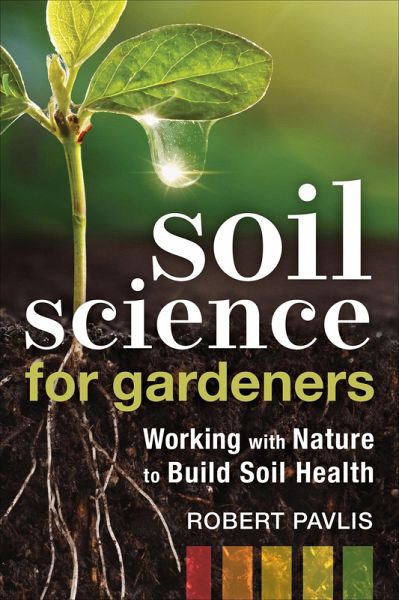
Build healthy soil and grow better plants Robert Pavlis, a gardener for over four decades, debunks common soil myths, explores the rhizosphere, and provides a personalized soil fertility improvement program in this three-part popular science guidebook. Healthy soil means thriving plants. Yet untangling the soil food web and optimizing your soil health is beyond most gardeners, many of whom lack an in-depth knowledge of the soil ecosystem. Soil Science for Gardeners is an accessible, science-based guide to understanding soil fertility and, in particular, the rhizosphere - the thin…mehr
Robert Pavlis, a gardener for over four decades, debunks common soil myths, explores the rhizosphere, and provides a personalized soil fertility improvement program in this three-part popular science guidebook.
Healthy soil means thriving plants. Yet untangling the soil food web and optimizing your soil health is beyond most gardeners, many of whom lack an in-depth knowledge of the soil ecosystem.
Soil Science for Gardeners is an accessible, science-based guide to understanding soil fertility and, in particular, the rhizosphere - the thin layer of liquid and soil surrounding plant roots, so vital to plant health.
Coverage includes:
Soil biology and chemistry and how plants and soil interact
Common soil health problems, including analyzing soil's fertility and plant nutrients
The creation of a personalized plan for improving your soil fertility, including setting priorities and goals in a cost-effective, realistic time frame.
Creating the optimal conditions for nature to do the heavy lifting of building soil fertility
Written for the home gardener, market gardener, and micro-farmer, Soil Science for Gardeners is packed with information to help you grow thriving plants.
Die Herstellerinformationen sind derzeit nicht verfügbar.
Autorenporträt
Robert Pavlis has been an avid gardener for over four decades. He is the owner and developer of Aspen Grove Gardens, a 6-acre botanical garden that features over 3,000 varieties of plants. Specializing in soil science, he has been an instructor for Landscape Ontario and is a garden blogger, writer, and chemist. The author of Building Natural Ponds, Pavlis is a well-known speaker whose audiences include Master Gardener groups, horticultural societies, orchid societies, and garden shows such as Canada Blooms and the FarmSmart conference. He teaches gardening fundamentals at the University of Guelph and garden design for the City of Guelph, Ontario, where he currently resides. www.gardenmyths.com www.gardenfundamentals.com www.youtube.com/Gardenfundamentals1
Inhaltsangabe
Introduction What Is Soil Health? Using the Book Terminology SECTION 1: UNDERSTANDING SOIL 1. Soil Basics Components of Soil Origin of Soil Soil Particles Soil Texture Importance of Particle Size Air and Water Aggregation and Soil Structure Soil pH 2. Plant Nutrients Ions What Is Salt? Movement of Nutrients in Soil Essential Plant Nutrients Micronutrients Cation Exchange Capacity (CEC) 3. Soil Life Energy Food Web The Power of Large Molecules Ratio of Fungi to Bacteria Chemicals in the Soil Pathogen Control Identification of Microbes 4. Bacteria What Do They Eat? Where Do They Live? Role in Disease Prevention Ideal Environment Role in Building Soil Aggregates Conditions that Harm Bacteria Nitrogen Fixation 5. Fungi What Do They Eat? Where Do They Live? Fungi at War Fungal Parasites Mycorrhizal Fungi 6. Other Organisms Actinomycetes Algae Protozoa Nematodes Arthropods Earthworms 7. Organic Matter Decomposition: Converting Dead Things into Humus Truth About Humus Too Much Organic Matter Compost Chelation 8. Rhizosphere Root Exudates Soil Enzymes Effect of Desiccation Soil pH Levels Dynamic Microbe Population Allelochemicals Plants Are in Control SECTION 2: SOLVING SOIL PROBLEMS 9. Identifying Soil Problems Why Do We Fertilize? Soil Testing Plants as Indicators of Soil Problems Plant Tissue Analysis DIY Test Kits Determining Soil Texture Crusted Soil Quantification of Microbes Level of Organic Matter Compaction Hardpan Drainage 10. Gardening Techniques That Affect Soil Tilling Working the Land Mulching Hoeing Cover Crops Raised Bed Gardening Crop Rotation Companion Planting 11. Solving Chemical Issues Buffer Capacity Increasing pH Decreasing pH Saline and Sodic Soils Increasing CEC Synthetic vs Organic Fertilizers Understanding Fertilizers Synthetic Fertilizers Organic Fertilizers Fad Products 12. Solving Microbe Issues Inoculation Solarization Controlling Pathogens Compost Tea Best Practice for Increasing Microbe Populations 13. Increasing Organic Matter Options for Adding Organic Matter Cover Crops Vermicompost Bokashi Compost Biochar Biosolids 14. Dealing with Structural Problems Compaction Drainage Issues Modifying Soil Texture Clay Soils Sandy Soils SECTION 3: A PERSONALIZED PLAN FOR HEALTHY SOIL 15. Developing a Plan for Soil Health Improvement 16. How Detailed Should You Get? 17. Soil Health Assessment Chemical Tests Soil Sampling Instructions 18. Soil Health Action Plan Soil Health Assessment Action Plan Action Plan Follow-up Appendix A: Soil Health Assessment Form Appendix B: Action Plan for the Year Index About the Author About New Society Publishers
Introduction What Is Soil Health? Using the Book Terminology SECTION 1: UNDERSTANDING SOIL 1. Soil Basics Components of Soil Origin of Soil Soil Particles Soil Texture Importance of Particle Size Air and Water Aggregation and Soil Structure Soil pH 2. Plant Nutrients Ions What Is Salt? Movement of Nutrients in Soil Essential Plant Nutrients Micronutrients Cation Exchange Capacity (CEC) 3. Soil Life Energy Food Web The Power of Large Molecules Ratio of Fungi to Bacteria Chemicals in the Soil Pathogen Control Identification of Microbes 4. Bacteria What Do They Eat? Where Do They Live? Role in Disease Prevention Ideal Environment Role in Building Soil Aggregates Conditions that Harm Bacteria Nitrogen Fixation 5. Fungi What Do They Eat? Where Do They Live? Fungi at War Fungal Parasites Mycorrhizal Fungi 6. Other Organisms Actinomycetes Algae Protozoa Nematodes Arthropods Earthworms 7. Organic Matter Decomposition: Converting Dead Things into Humus Truth About Humus Too Much Organic Matter Compost Chelation 8. Rhizosphere Root Exudates Soil Enzymes Effect of Desiccation Soil pH Levels Dynamic Microbe Population Allelochemicals Plants Are in Control SECTION 2: SOLVING SOIL PROBLEMS 9. Identifying Soil Problems Why Do We Fertilize? Soil Testing Plants as Indicators of Soil Problems Plant Tissue Analysis DIY Test Kits Determining Soil Texture Crusted Soil Quantification of Microbes Level of Organic Matter Compaction Hardpan Drainage 10. Gardening Techniques That Affect Soil Tilling Working the Land Mulching Hoeing Cover Crops Raised Bed Gardening Crop Rotation Companion Planting 11. Solving Chemical Issues Buffer Capacity Increasing pH Decreasing pH Saline and Sodic Soils Increasing CEC Synthetic vs Organic Fertilizers Understanding Fertilizers Synthetic Fertilizers Organic Fertilizers Fad Products 12. Solving Microbe Issues Inoculation Solarization Controlling Pathogens Compost Tea Best Practice for Increasing Microbe Populations 13. Increasing Organic Matter Options for Adding Organic Matter Cover Crops Vermicompost Bokashi Compost Biochar Biosolids 14. Dealing with Structural Problems Compaction Drainage Issues Modifying Soil Texture Clay Soils Sandy Soils SECTION 3: A PERSONALIZED PLAN FOR HEALTHY SOIL 15. Developing a Plan for Soil Health Improvement 16. How Detailed Should You Get? 17. Soil Health Assessment Chemical Tests Soil Sampling Instructions 18. Soil Health Action Plan Soil Health Assessment Action Plan Action Plan Follow-up Appendix A: Soil Health Assessment Form Appendix B: Action Plan for the Year Index About the Author About New Society Publishers
Es gelten unsere Allgemeinen Geschäftsbedingungen: www.buecher.de/agb
Impressum
www.buecher.de ist ein Internetauftritt der buecher.de internetstores GmbH
Geschäftsführung: Monica Sawhney | Roland Kölbl | Günter Hilger
Sitz der Gesellschaft: Batheyer Straße 115 - 117, 58099 Hagen
Postanschrift: Bürgermeister-Wegele-Str. 12, 86167 Augsburg
Amtsgericht Hagen HRB 13257
Steuernummer: 321/5800/1497
USt-IdNr: DE450055826