16,95 €
inkl. MwSt.
Sofort per Download lieferbar
8 °P sammeln

Andere Kunden interessierten sich auch für





"We came to Britain in search of better opportunities or to get some of the wealth which had been misappropriated from the Caribbean, but what in reality did we find?"
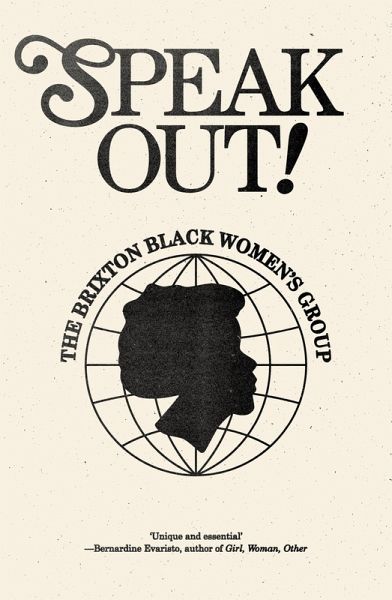
Speak Out brings together the writings of Brixton Black Women's Group for the first time, in a landmark collection. Established in response to the lack of interest in women's issues experienced in male-dominated Black organisations, the Brixton Black Women's Group's aim was to create a distinct space where women of African and Asian descent could meet to focus on political, social and cultural issues as they affected black women. BBWG published its own newsletter, Speak Out, which kept alive the debate about the relevance of feminism to black politics and provided a black women's perspective on immigration, housing, health and culture.
Speak Out brings together the writings of Brixton Black Women's Group for the first time, in a landmark collection. Established in response to the lack of interest in women's issues experienced in male-dominated Black organisations, the Brixton Black Women's Group's aim was to create a distinct space where women of African and Asian descent could meet to focus on political, social and cultural issues as they affected black women. BBWG published its own newsletter, Speak Out, which kept alive the debate about the relevance of feminism to black politics and provided a black women's perspective on immigration, housing, health and culture.
Dieser Download kann aus rechtlichen Gründen nur mit Rechnungsadresse in A, D ausgeliefert werden.