Michael Mack
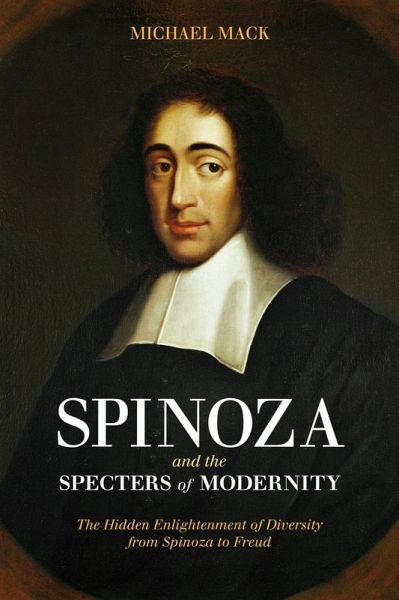
Spinoza and the Specters of Modernity (eBook, PDF)
The Hidden Enlightenment of Diversity from Spinoza to Freud
32,95 €
32,95 €
inkl. MwSt.
Sofort per Download lieferbar
16 °P sammeln
32,95 €
Als Download kaufen
32,95 €
inkl. MwSt.
Sofort per Download lieferbar
16 °P sammeln
Jetzt verschenken
Alle Infos zum eBook verschenken
32,95 €
inkl. MwSt.
Sofort per Download lieferbar
Alle Infos zum eBook verschenken
16 °P sammeln
Michael Mack
Spinoza and the Specters of Modernity (eBook, PDF)
The Hidden Enlightenment of Diversity from Spinoza to Freud
- Format: PDF
- Merkliste
- Auf die Merkliste
- Bewerten Bewerten
- Teilen
- Produkt teilen
- Produkterinnerung
- Produkterinnerung

Bitte loggen Sie sich zunächst in Ihr Kundenkonto ein oder registrieren Sie sich bei
bücher.de, um das eBook-Abo tolino select nutzen zu können.
Hier können Sie sich einloggen
Sie sind bereits eingeloggt. Klicken Sie auf 2. tolino select Abo, um fortzufahren.

Bitte loggen Sie sich zunächst in Ihr Kundenkonto ein oder registrieren Sie sich bei bücher.de, um das eBook-Abo tolino select nutzen zu können.
- Geräte: PC
- mit Kopierschutz
- eBook Hilfe
- Größe: 1.37MB
Andere Kunden interessierten sich auch für
James MumfordEthics at the Beginning of Life (eBook, PDF)17,95 €
Protestant Aesthetics and the Arts (eBook, PDF)42,95 €
Brian KaneThe Blessing of Life (eBook, PDF)30,95 €
Embodiment (eBook, PDF)18,95 €
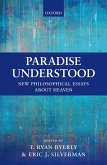
Paradise Understood (eBook, PDF)45,95 €
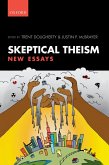
Skeptical Theism (eBook, PDF)15,95 €
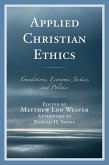
Applied Christian Ethics (eBook, PDF)91,95 €-
-
-
Produktdetails
- Verlag: Bloomsbury eBooks US
- Seitenzahl: 232
- Erscheinungstermin: 25. März 2010
- Englisch
- ISBN-13: 9781441100719
- Artikelnr.: 48422054
- Herstellerkennzeichnung Die Herstellerinformationen sind derzeit nicht verfügbar.
Michael Mack (PhD. Cambridge) is Reader in English Literature and Medical Humanities at Durham University, UK. Formerly he has been a Visiting Professor at Syracuse University, a Fellow at the University of Sydney, and lecturer and research fellow at the University of Chicago. He is the author of Spinoza and the Specters of Modernity (Continuum, 2010), German Idealism and the Jew (University of Chicago Press, 2003), which was shortlisted for The Koret Jewish Book Award 2004, and Anthropology as Memory (Niemeyer, 2001, Conditio Judaica Series).
Acknowledgments
>
Introduction
>Spinoza' alternative modernity
>
Chapter 1.
>Descartes, Spinoza or the goal that destroys itself.
>
Chapter 2.
>Spinoza's conatus or the critique of political self-destruction
>
Chapter 3.
>Herder's Spinozist understanding of Reflection
>
Chapter 4.
>From the Dissection theatre to popular philosophy or Herder's Spinozist
theology
>
Chapter 5.
>From the National to the Transnational
>
Chapter 6.
>Universalism contested: Herder, Kant and Race
>
Chapter 7.
>Talking Humanly with the Devil: From Rosenzweig via Spinoza to Goethe's
hospitality in Faust and Iphigenia on Tauris
>
Chapter 8.
>The Significance of the Insignificant: George Eliot's Daniel Deronda and
the Literature of Weimar Classicism
>
Chapter 9.
>Conclusion: Freud and Spinoza or how to be mindful of the mind.
>
Introduction
>Spinoza' alternative modernity
>
Chapter 1.
>Descartes, Spinoza or the goal that destroys itself.
>
Chapter 2.
>Spinoza's conatus or the critique of political self-destruction
>
Chapter 3.
>Herder's Spinozist understanding of Reflection
>
Chapter 4.
>From the Dissection theatre to popular philosophy or Herder's Spinozist
theology
>
Chapter 5.
>From the National to the Transnational
>
Chapter 6.
>Universalism contested: Herder, Kant and Race
>
Chapter 7.
>Talking Humanly with the Devil: From Rosenzweig via Spinoza to Goethe's
hospitality in Faust and Iphigenia on Tauris
>
Chapter 8.
>The Significance of the Insignificant: George Eliot's Daniel Deronda and
the Literature of Weimar Classicism
>
Chapter 9.
>Conclusion: Freud and Spinoza or how to be mindful of the mind.
Acknowledgments
>
Introduction
>Spinoza' alternative modernity
>
Chapter 1.
>Descartes, Spinoza or the goal that destroys itself.
>
Chapter 2.
>Spinoza's conatus or the critique of political self-destruction
>
Chapter 3.
>Herder's Spinozist understanding of Reflection
>
Chapter 4.
>From the Dissection theatre to popular philosophy or Herder's Spinozist
theology
>
Chapter 5.
>From the National to the Transnational
>
Chapter 6.
>Universalism contested: Herder, Kant and Race
>
Chapter 7.
>Talking Humanly with the Devil: From Rosenzweig via Spinoza to Goethe's
hospitality in Faust and Iphigenia on Tauris
>
Chapter 8.
>The Significance of the Insignificant: George Eliot's Daniel Deronda and
the Literature of Weimar Classicism
>
Chapter 9.
>Conclusion: Freud and Spinoza or how to be mindful of the mind.
>
Introduction
>Spinoza' alternative modernity
>
Chapter 1.
>Descartes, Spinoza or the goal that destroys itself.
>
Chapter 2.
>Spinoza's conatus or the critique of political self-destruction
>
Chapter 3.
>Herder's Spinozist understanding of Reflection
>
Chapter 4.
>From the Dissection theatre to popular philosophy or Herder's Spinozist
theology
>
Chapter 5.
>From the National to the Transnational
>
Chapter 6.
>Universalism contested: Herder, Kant and Race
>
Chapter 7.
>Talking Humanly with the Devil: From Rosenzweig via Spinoza to Goethe's
hospitality in Faust and Iphigenia on Tauris
>
Chapter 8.
>The Significance of the Insignificant: George Eliot's Daniel Deronda and
the Literature of Weimar Classicism
>
Chapter 9.
>Conclusion: Freud and Spinoza or how to be mindful of the mind.