37,95 €
37,95 €
inkl. MwSt.
Sofort per Download lieferbar

19 °P sammeln
37,95 €
Als Download kaufen
37,95 €
inkl. MwSt.
Sofort per Download lieferbar
19 °P sammeln
Jetzt verschenken
Alle Infos zum eBook verschenken
37,95 €
inkl. MwSt.
Sofort per Download lieferbar
Alle Infos zum eBook verschenken
19 °P sammeln

Andere Kunden interessierten sich auch für
") Working Together (eBook, PDF)31,95 €
Working Together (eBook, PDF)31,95 €") Culturally Relevant Teaching (eBook, PDF)25,95 €
Culturally Relevant Teaching (eBook, PDF)25,95 €") More Than an Ally (eBook, PDF)25,95 €
More Than an Ally (eBook, PDF)25,95 €") Internationalizing Teacher Education in the United States (eBook, PDF)71,95 €
Internationalizing Teacher Education in the United States (eBook, PDF)71,95 €") Unbleaching the Curriculum (eBook, PDF)21,95 €
Unbleaching the Curriculum (eBook, PDF)21,95 €") Becoming a Global Citizen (eBook, PDF)18,95 €
Becoming a Global Citizen (eBook, PDF)18,95 €") Cultural Perspectives in Student Affairs Work (eBook, PDF)42,95 €
Cultural Perspectives in Student Affairs Work (eBook, PDF)42,95 €




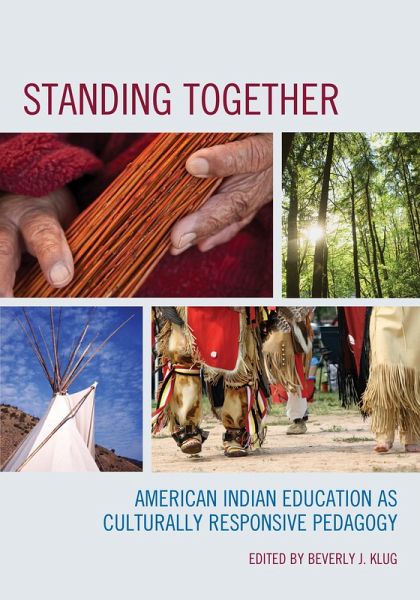
The majority of American Indian students attend public schools in the United States. However, education mandated for American Indian students since the 1800s has been primarily education for assimilation, with the goal of eliminating American Indian cultures and languages. Indeed, extreme measures were taken to ensure Native students would "act white" as a result of their involvement with Western education. Today's educational mandates continue a hegemonic "one-size-fits-all" approach to education. This is in spite of evidence that these approaches have rarely worked for Native students and have been extremely detrimental to Native communities. This book provides information about the importance of teaching American Indian students by bridging home and schools, using students' cultural capital as a springboard for academic success. Culturally Responsive Pedagogy is explored from its earliest beginnings following the 1928 Meriam Report. Successful education of Native students depends on all involved and respect for the voices of American Indians in calling for education that holds high expectations for native students and allows them to be grounded in their cultures and languages.