25,95 €
inkl. MwSt.
Sofort per Download lieferbar
13 °P sammeln

Andere Kunden interessierten sich auch für
") Steel (eBook, ePUB)25,95 €
Steel (eBook, ePUB)25,95 €") Design for Life (eBook, PDF)33,95 €
Design for Life (eBook, PDF)33,95 €") Design, Ecology, Politics (eBook, PDF)20,95 €
Design, Ecology, Politics (eBook, PDF)20,95 €") Design Roots (eBook, PDF)24,95 €
Design Roots (eBook, PDF)24,95 €") Multiple Criteria Decision Analysis for Industrial Engineering (eBook, PDF)104,95 €
Multiple Criteria Decision Analysis for Industrial Engineering (eBook, PDF)104,95 €") Designers Visionaries and Other Stories (eBook, PDF)39,95 €
Designers Visionaries and Other Stories (eBook, PDF)39,95 €") Danish Design Heritage and Global Sustainability (eBook, PDF)40,95 €
Danish Design Heritage and Global Sustainability (eBook, PDF)40,95 €


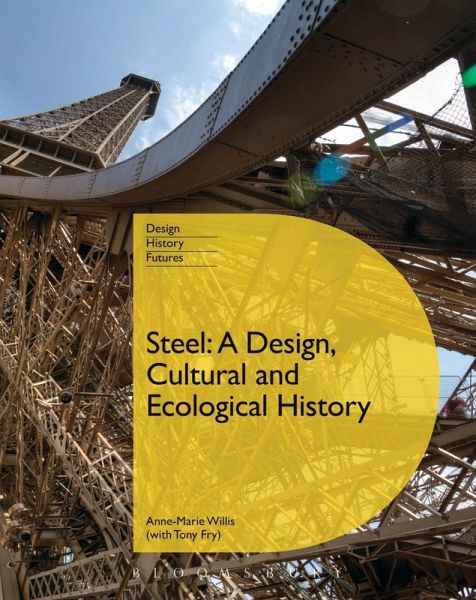
Steel has, over centuries, played a crucial role in shaping our material, and in particular, urban landscapes. This books undertakes a cultural and ecological history of the material, examining the relationship between steel and design at a micro and macro level - in terms of both what it has been used to design and how it has functioned as a 'world-making force'. The research for the book is informed by diverse sources including industry journals, contemporary accounts and technical literature - all framed by rich, early accounts of iron and steel making from the middle ages to the opening of the industrial age, and most notably, the crucial works of Vannoccio Biringuccio, Georgius Agricola, Andrew Ure and Harry Scrivenor. In contrast, trans-cultural accounts of the history of metallurgy from eminent sinologists and cultural historians like Joseph Needham and G.E.R. Lloyd are used. Readings on the pre-history and history of science, as well as histories and philosophies technology from scholars such as Siegfried Giedion, Merritt Roe Smith, L.T.C Rolt, Robert B. Gordon inform the analysis. Social and economic history from historians such as Eric Hobsbawn, William T. Hogan and David Brody are consulted; labour process theory is also examined, particularly the influential writings of F.W. Taylor in the late 19th and early 20th centuries and his contemporary critics, like David Nobel and Harry Braverman. Many other disciples also inform the account: histories of urban design and architecture, transport and military history, environmental history and geography.