Sie sind bereits eingeloggt. Klicken Sie auf 2. tolino select Abo, um fortzufahren.
Bitte loggen Sie sich zunächst in Ihr Kundenkonto ein oder registrieren Sie sich bei bücher.de, um das eBook-Abo tolino select nutzen zu können.
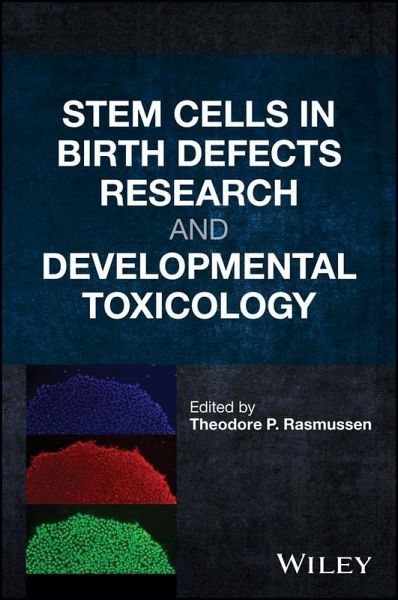
This book contains material contributed by forward-looking scientists who work at the interface of stem cell research and applied science with the aim to improve human fetal safety and the understanding of human developmental and degenerative disorders. * Provides important platforms and contemporary accounts of the state of stem cell research in the fields of toxicology and teratology * Considers both in vitro uses of stem cells as platforms for teratology and also stem cellopathies, which are in vivo developmental and degenerative disorders * Helps the pharmaceutical industry and safety and…mehr
This book contains material contributed by forward-looking scientists who work at the interface of stem cell research and applied science with the aim to improve human fetal safety and the understanding of human developmental and degenerative disorders. * Provides important platforms and contemporary accounts of the state of stem cell research in the fields of toxicology and teratology * Considers both in vitro uses of stem cells as platforms for teratology and also stem cellopathies, which are in vivo developmental and degenerative disorders * Helps the pharmaceutical industry and safety and environmental authorities validate the status quo of in vitro toxicity test systems based on human pluripotent stem cells and their derivatives
Dieser Download kann aus rechtlichen Gründen nur mit Rechnungsadresse in A, B, BG, CY, CZ, D, DK, EW, E, FIN, F, GR, HR, H, IRL, I, LT, L, LR, M, NL, PL, P, R, S, SLO, SK ausgeliefert werden.
Die Herstellerinformationen sind derzeit nicht verfügbar.
Autorenporträt
Theodore P. Rasmussen, PhD is an Associate Professor in the Department of Pharmaceutical Sciences at the University of Connecticut, a charter member of the school's Stem Cell Institute, and a founding member of the university's Institute for Systems Genomics.
Inhaltsangabe
List of Contributors xiii
Preface xix
Part I Introduction and Overview 1
1 The Basics of Stem Cells and Their Utility as Platforms to Model Teratogen Action and Human Developmental and Degenerative Disorders 3 Bindu Prabhakar, Soowan Lee, and Theodore P. Rasmussen
1.1 Stem Cell Types and Basic Function 3
1.2 Pluripotency 6
1.2.1 Poised Chromatin of the Pluripotent Epigenome 6
1.2.2 Undirected Differentiation of Pluripotent Cells to Embryoid Bodies 7
1.2.3 Directed Differentiation of Pluripotent Cells 8
1.3 In vitro Uses of Pluripotent Cells 9
1.3.1 Pluripotent Cells for Toxicology 9
1.3.2 Pluripotent Cells for Teratology 11
1.3.3 Limitations of Pluripotent Stem Cells 12
1.4 Adult Stem Cells in vivo 13
1.5 Emerging Trends in Stem Cell Culture 14
1.5.1 Use of Coculture 15
1.5.2 Organoids 16
1.5.3 Microfluidics 17
1.5.4 Other Cell Types with Stem-Cell-like Properties 18
1.6 Future Directions 18
1.6.1 iPSCs, Pharmacogenomics, and Predictive Teratology 18
1.6.2 Stem Cell Systems for Environmental Toxicology 19
References 20
Part II Using Pluripotent Cells for the Detection and Analysis of Teratogens 25
2 Stem Cells and Tissue Engineering Technologies for Advancing Human Teratogen Screening 27 Jiangwa Xing, Geetika Sahni, and Yi-Chin Toh
Abbreviations 27
2.1 Introduction 28
2.2 Current DART Regulatory Guidelines and Methods 29
2.2.1 Governing Bodies 29
2.2.2 Terminologies and Definitions 29
2.2.3 Testing Methodologies 30
2.2.4 Limitations of Animal-Based DART Testing 32
2.3 In vitro Animal-Based Models for Developmental Toxicity Testing 33
2.3.1 Current In vitro Animal-Based Models for Developmental Toxicity Testing 33
2.3.2 The MM Assay 35
2.3.3 The WEC Assay 35
2.3.4 The ZEDT Assay 36
2.3.5 New Engineering and Microfabrication Technologies for Model Improvement 38
2.4 In vitro Stem-Cell-Based Developmental Toxicity Models 42
2.4.1 Embryonic Stem Cell Test (EST) 42
2.4.2 ReproGlo Reporter Assay 45
2.4.3 Metabolite Biomarker Assay Using hESCs 46
2.4.4 Mesoendoderm Biomarker-Based Human Pluripotent Stem Cell Test (hPST) 47
2.4.5 The Micropatterned Human Pluripotent Stem Cell Test(muP-hPST) 48
2.5 Conclusion and Future Directions 50
References 51
3 Use of Embryoid Bodies for the Detection of Teratogens and Analysis of Teratogenic Mechanisms 59 Anthony Flamier
3.1 Embryoid Body Assays: Background 59
3.1.1 Teratogens and Teratogenesis 59
3.1.2 Classic Protocols for Teratogen Assays 60
3.1.3 Pluripotent Stem Cell Technology and its Applications for Teratogen Detection 62
3.2 Detection of Teratogens Using EBs 63
3.2.1 Formation of Embryoid Bodies for Teratogen Assays 63
3.2.2 Cytotoxicity versus Teratogenicity 65
3.2.3 EB Treatments 65
3.3 Teratogenic Mechanisms 65
3.3.1 EB Growth and Morphogenesis 65
3.3.2 Molecular Analysis 66
3.3.3 Alternative Analyses 67
Acknowledgments 67
References 67
4 Stem-Cell-Based In vitro Morphogenesis Models to Investigate Developmental Toxicity of Chemical Exposures 71 Yusuke Marikawa
4.1 Introduction 71
4.2 Stem-Cell-Based In vitro Morphogenesis Model 73
4.2.1 Mouse P19C5 EB as an In vitro Gastrulation Model 73
4.2.2 Quantitative Evaluation of Morphogenetic Impact 77
1 The Basics of Stem Cells and Their Utility as Platforms to Model Teratogen Action and Human Developmental and Degenerative Disorders 3 Bindu Prabhakar, Soowan Lee, and Theodore P. Rasmussen
1.1 Stem Cell Types and Basic Function 3
1.2 Pluripotency 6
1.2.1 Poised Chromatin of the Pluripotent Epigenome 6
1.2.2 Undirected Differentiation of Pluripotent Cells to Embryoid Bodies 7
1.2.3 Directed Differentiation of Pluripotent Cells 8
1.3 In vitro Uses of Pluripotent Cells 9
1.3.1 Pluripotent Cells for Toxicology 9
1.3.2 Pluripotent Cells for Teratology 11
1.3.3 Limitations of Pluripotent Stem Cells 12
1.4 Adult Stem Cells in vivo 13
1.5 Emerging Trends in Stem Cell Culture 14
1.5.1 Use of Coculture 15
1.5.2 Organoids 16
1.5.3 Microfluidics 17
1.5.4 Other Cell Types with Stem-Cell-like Properties 18
1.6 Future Directions 18
1.6.1 iPSCs, Pharmacogenomics, and Predictive Teratology 18
1.6.2 Stem Cell Systems for Environmental Toxicology 19
References 20
Part II Using Pluripotent Cells for the Detection and Analysis of Teratogens 25
2 Stem Cells and Tissue Engineering Technologies for Advancing Human Teratogen Screening 27 Jiangwa Xing, Geetika Sahni, and Yi-Chin Toh
Abbreviations 27
2.1 Introduction 28
2.2 Current DART Regulatory Guidelines and Methods 29
2.2.1 Governing Bodies 29
2.2.2 Terminologies and Definitions 29
2.2.3 Testing Methodologies 30
2.2.4 Limitations of Animal-Based DART Testing 32
2.3 In vitro Animal-Based Models for Developmental Toxicity Testing 33
2.3.1 Current In vitro Animal-Based Models for Developmental Toxicity Testing 33
2.3.2 The MM Assay 35
2.3.3 The WEC Assay 35
2.3.4 The ZEDT Assay 36
2.3.5 New Engineering and Microfabrication Technologies for Model Improvement 38
2.4 In vitro Stem-Cell-Based Developmental Toxicity Models 42
2.4.1 Embryonic Stem Cell Test (EST) 42
2.4.2 ReproGlo Reporter Assay 45
2.4.3 Metabolite Biomarker Assay Using hESCs 46
2.4.4 Mesoendoderm Biomarker-Based Human Pluripotent Stem Cell Test (hPST) 47
2.4.5 The Micropatterned Human Pluripotent Stem Cell Test(muP-hPST) 48
2.5 Conclusion and Future Directions 50
References 51
3 Use of Embryoid Bodies for the Detection of Teratogens and Analysis of Teratogenic Mechanisms 59 Anthony Flamier
3.1 Embryoid Body Assays: Background 59
3.1.1 Teratogens and Teratogenesis 59
3.1.2 Classic Protocols for Teratogen Assays 60
3.1.3 Pluripotent Stem Cell Technology and its Applications for Teratogen Detection 62
3.2 Detection of Teratogens Using EBs 63
3.2.1 Formation of Embryoid Bodies for Teratogen Assays 63
3.2.2 Cytotoxicity versus Teratogenicity 65
3.2.3 EB Treatments 65
3.3 Teratogenic Mechanisms 65
3.3.1 EB Growth and Morphogenesis 65
3.3.2 Molecular Analysis 66
3.3.3 Alternative Analyses 67
Acknowledgments 67
References 67
4 Stem-Cell-Based In vitro Morphogenesis Models to Investigate Developmental Toxicity of Chemical Exposures 71 Yusuke Marikawa
4.1 Introduction 71
4.2 Stem-Cell-Based In vitro Morphogenesis Model 73
4.2.1 Mouse P19C5 EB as an In vitro Gastrulation Model 73
4.2.2 Quantitative Evaluation of Morphogenetic Impact 77
Es gelten unsere Allgemeinen Geschäftsbedingungen: www.buecher.de/agb
Impressum
www.buecher.de ist ein Internetauftritt der buecher.de internetstores GmbH
Geschäftsführung: Monica Sawhney | Roland Kölbl | Günter Hilger
Sitz der Gesellschaft: Batheyer Straße 115 - 117, 58099 Hagen
Postanschrift: Bürgermeister-Wegele-Str. 12, 86167 Augsburg
Amtsgericht Hagen HRB 13257
Steuernummer: 321/5800/1497
USt-IdNr: DE450055826