192,99 €
192,99 €
inkl. MwSt.
Sofort per Download lieferbar

0 °P sammeln
192,99 €
Als Download kaufen
192,99 €
inkl. MwSt.
Sofort per Download lieferbar
0 °P sammeln
Jetzt verschenken
Alle Infos zum eBook verschenken
192,99 €
inkl. MwSt.
Sofort per Download lieferbar
Alle Infos zum eBook verschenken
0 °P sammeln

- Format: ePub
- Merkliste
- Auf die Merkliste
- Bewerten Bewerten
- Teilen
- Produkt teilen
- Produkterinnerung
- Produkterinnerung

Bitte loggen Sie sich zunächst in Ihr Kundenkonto ein oder registrieren Sie sich bei
bücher.de, um das eBook-Abo tolino select nutzen zu können.
Hier können Sie sich einloggen
Sie sind bereits eingeloggt. Klicken Sie auf 2. tolino select Abo, um fortzufahren.

Bitte loggen Sie sich zunächst in Ihr Kundenkonto ein oder registrieren Sie sich bei bücher.de, um das eBook-Abo tolino select nutzen zu können.
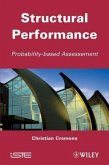
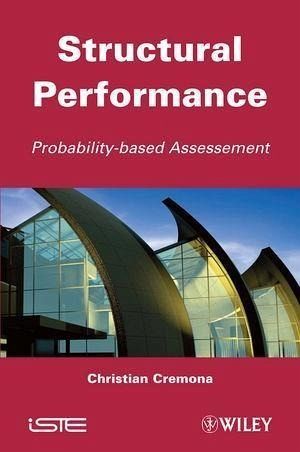
This book covers the development of efficient methods for the assessment and the management of civil structures is today a major challenge from economical, social and environmental aspects. Tools for handling uncertainties in loads, geometry, material properties, construction and operating conditions are nowadays essential. Covers the key concepts across topics including probability theory and statistics, structural safety, performance-based assessment, modelling uncertainties and principles of decision theory.
- Geräte: eReader
- mit Kopierschutz
- eBook Hilfe
- Größe: 7.81MB
Andere Kunden interessierten sich auch für
Patrick X. W. ZouStrategic Safety Management in Construction and Engineering (eBook, ePUB)85,99 €
Construction Reliability (eBook, ePUB)139,99 €
Fred SherrattUnpacking Construction Site Safety (eBook, ePUB)73,99 €
David EnglandAn Effective Strategy for Safe Design in Engineering and Construction (eBook, ePUB)86,99 €
Christian CremonaStructural Performance (eBook, PDF)192,99 €
Patrick X. W. ZouStrategic Safety Management in Construction and Engineering (eBook, PDF)85,99 €
Matthias BeckhHyperbolic Structures (eBook, ePUB)67,99 €-
-
-
This book covers the development of efficient methods for the assessment and the management of civil structures is today a major challenge from economical, social and environmental aspects. Tools for handling uncertainties in loads, geometry, material properties, construction and operating conditions are nowadays essential. Covers the key concepts across topics including probability theory and statistics, structural safety, performance-based assessment, modelling uncertainties and principles of decision theory.
Dieser Download kann aus rechtlichen Gründen nur mit Rechnungsadresse in D ausgeliefert werden.
Produktdetails
- Produktdetails
- Verlag: Wiley
- Erscheinungstermin: 27. Dezember 2012
- Englisch
- ISBN-13: 9781118601150
- Artikelnr.: 37338634
- Verlag: Wiley
- Erscheinungstermin: 27. Dezember 2012
- Englisch
- ISBN-13: 9781118601150
- Artikelnr.: 37338634
- Herstellerkennzeichnung Die Herstellerinformationen sind derzeit nicht verfügbar.
Christian Cremona is in charge of the civil engineering and construction group in the direction for research and innovation in the French Ministry for Sustainable Development.
Preface . xi
Chapter 1. Concepts from Probability Theory and Statistics 1
1.1. The role of probability in civil engineering 1
1.2. Physical and statistical uncertainties 2
1.3. Axiomatics 3
1.4. Random variables - distributions 8
1.5. Useful random variables 21
1.6. Limit theorems 31
1.7. Modeling random variables 38
1.8. Distribution of extremes 51
1.9. Significance testing 58
1.10. Bayesian analysis 65
1.11. Stochastic processes 74
Chapter 2. Structural Safety, Performance and Risk 81
2.1. Introduction 81
2.2. Safety and risk 82
2.3. Risk evaluation and acceptable risk 87
2.4. Risk-based management 96
2.5. Examples of failure: bridges 105
2.6. From safety to performance 110
2.7. Human errors 122
Chapter 3. Performance-based Assessment 125
3.1. Analysis methods and structural safety 125
3.2. Safety and performance principles 134
3.3. Invariant measures 136
3.4. Reliability theory 138
3.5. General formulation 150
3.6. System reliability 187
3.7. Determination of collapse/failure mechanisms 208
3.8. Calibration of partial factors 217
3.9. Nature of a probabilistic calculation 224
3.10. Failure probabilities and acceptable risks 225
Chapter 4. Structural Assessment of Existing Structures 235
4.1. Introduction 235
4.2. Assessment rules 236
4.3. Limits when using design rules 236
4.4. Main stages in structural assessment 237
4.5. Structural safety assessment 239
4.6. General remarks on the methods 260
Chapter 5. Specificities of Existing Structures 261
5.1. Loads 261
5.2. Resistance 331
5.3. Geometric variability 348
5.4. Scale effects 351
Chapter 6. Principles of Decision Theory 355
6.1. Introduction 355
6.2. The decision model 356
6.3. Controls and inspections 364
6.4. Maintenance optimization 384
6.5. Life cycle cost analysis 391
6.6. Maintenance strategies 403
Bibliography 413
Index 423
Chapter 1. Concepts from Probability Theory and Statistics 1
1.1. The role of probability in civil engineering 1
1.2. Physical and statistical uncertainties 2
1.3. Axiomatics 3
1.4. Random variables - distributions 8
1.5. Useful random variables 21
1.6. Limit theorems 31
1.7. Modeling random variables 38
1.8. Distribution of extremes 51
1.9. Significance testing 58
1.10. Bayesian analysis 65
1.11. Stochastic processes 74
Chapter 2. Structural Safety, Performance and Risk 81
2.1. Introduction 81
2.2. Safety and risk 82
2.3. Risk evaluation and acceptable risk 87
2.4. Risk-based management 96
2.5. Examples of failure: bridges 105
2.6. From safety to performance 110
2.7. Human errors 122
Chapter 3. Performance-based Assessment 125
3.1. Analysis methods and structural safety 125
3.2. Safety and performance principles 134
3.3. Invariant measures 136
3.4. Reliability theory 138
3.5. General formulation 150
3.6. System reliability 187
3.7. Determination of collapse/failure mechanisms 208
3.8. Calibration of partial factors 217
3.9. Nature of a probabilistic calculation 224
3.10. Failure probabilities and acceptable risks 225
Chapter 4. Structural Assessment of Existing Structures 235
4.1. Introduction 235
4.2. Assessment rules 236
4.3. Limits when using design rules 236
4.4. Main stages in structural assessment 237
4.5. Structural safety assessment 239
4.6. General remarks on the methods 260
Chapter 5. Specificities of Existing Structures 261
5.1. Loads 261
5.2. Resistance 331
5.3. Geometric variability 348
5.4. Scale effects 351
Chapter 6. Principles of Decision Theory 355
6.1. Introduction 355
6.2. The decision model 356
6.3. Controls and inspections 364
6.4. Maintenance optimization 384
6.5. Life cycle cost analysis 391
6.6. Maintenance strategies 403
Bibliography 413
Index 423
Preface . xi
Chapter 1. Concepts from Probability Theory and Statistics 1
1.1. The role of probability in civil engineering 1
1.2. Physical and statistical uncertainties 2
1.3. Axiomatics 3
1.4. Random variables - distributions 8
1.5. Useful random variables 21
1.6. Limit theorems 31
1.7. Modeling random variables 38
1.8. Distribution of extremes 51
1.9. Significance testing 58
1.10. Bayesian analysis 65
1.11. Stochastic processes 74
Chapter 2. Structural Safety, Performance and Risk 81
2.1. Introduction 81
2.2. Safety and risk 82
2.3. Risk evaluation and acceptable risk 87
2.4. Risk-based management 96
2.5. Examples of failure: bridges 105
2.6. From safety to performance 110
2.7. Human errors 122
Chapter 3. Performance-based Assessment 125
3.1. Analysis methods and structural safety 125
3.2. Safety and performance principles 134
3.3. Invariant measures 136
3.4. Reliability theory 138
3.5. General formulation 150
3.6. System reliability 187
3.7. Determination of collapse/failure mechanisms 208
3.8. Calibration of partial factors 217
3.9. Nature of a probabilistic calculation 224
3.10. Failure probabilities and acceptable risks 225
Chapter 4. Structural Assessment of Existing Structures 235
4.1. Introduction 235
4.2. Assessment rules 236
4.3. Limits when using design rules 236
4.4. Main stages in structural assessment 237
4.5. Structural safety assessment 239
4.6. General remarks on the methods 260
Chapter 5. Specificities of Existing Structures 261
5.1. Loads 261
5.2. Resistance 331
5.3. Geometric variability 348
5.4. Scale effects 351
Chapter 6. Principles of Decision Theory 355
6.1. Introduction 355
6.2. The decision model 356
6.3. Controls and inspections 364
6.4. Maintenance optimization 384
6.5. Life cycle cost analysis 391
6.6. Maintenance strategies 403
Bibliography 413
Index 423
Chapter 1. Concepts from Probability Theory and Statistics 1
1.1. The role of probability in civil engineering 1
1.2. Physical and statistical uncertainties 2
1.3. Axiomatics 3
1.4. Random variables - distributions 8
1.5. Useful random variables 21
1.6. Limit theorems 31
1.7. Modeling random variables 38
1.8. Distribution of extremes 51
1.9. Significance testing 58
1.10. Bayesian analysis 65
1.11. Stochastic processes 74
Chapter 2. Structural Safety, Performance and Risk 81
2.1. Introduction 81
2.2. Safety and risk 82
2.3. Risk evaluation and acceptable risk 87
2.4. Risk-based management 96
2.5. Examples of failure: bridges 105
2.6. From safety to performance 110
2.7. Human errors 122
Chapter 3. Performance-based Assessment 125
3.1. Analysis methods and structural safety 125
3.2. Safety and performance principles 134
3.3. Invariant measures 136
3.4. Reliability theory 138
3.5. General formulation 150
3.6. System reliability 187
3.7. Determination of collapse/failure mechanisms 208
3.8. Calibration of partial factors 217
3.9. Nature of a probabilistic calculation 224
3.10. Failure probabilities and acceptable risks 225
Chapter 4. Structural Assessment of Existing Structures 235
4.1. Introduction 235
4.2. Assessment rules 236
4.3. Limits when using design rules 236
4.4. Main stages in structural assessment 237
4.5. Structural safety assessment 239
4.6. General remarks on the methods 260
Chapter 5. Specificities of Existing Structures 261
5.1. Loads 261
5.2. Resistance 331
5.3. Geometric variability 348
5.4. Scale effects 351
Chapter 6. Principles of Decision Theory 355
6.1. Introduction 355
6.2. The decision model 356
6.3. Controls and inspections 364
6.4. Maintenance optimization 384
6.5. Life cycle cost analysis 391
6.6. Maintenance strategies 403
Bibliography 413
Index 423